Dom
2 October–14 November 2026
Private view: 02 October, 6-8pm
PRESS RELEASE
Ilenia is pleased to present Dom, the first exhibition bringing together the works of Polish artists Iwo Panasiewicz, Jan Eustachy Wolski and Konrad Żukowski.
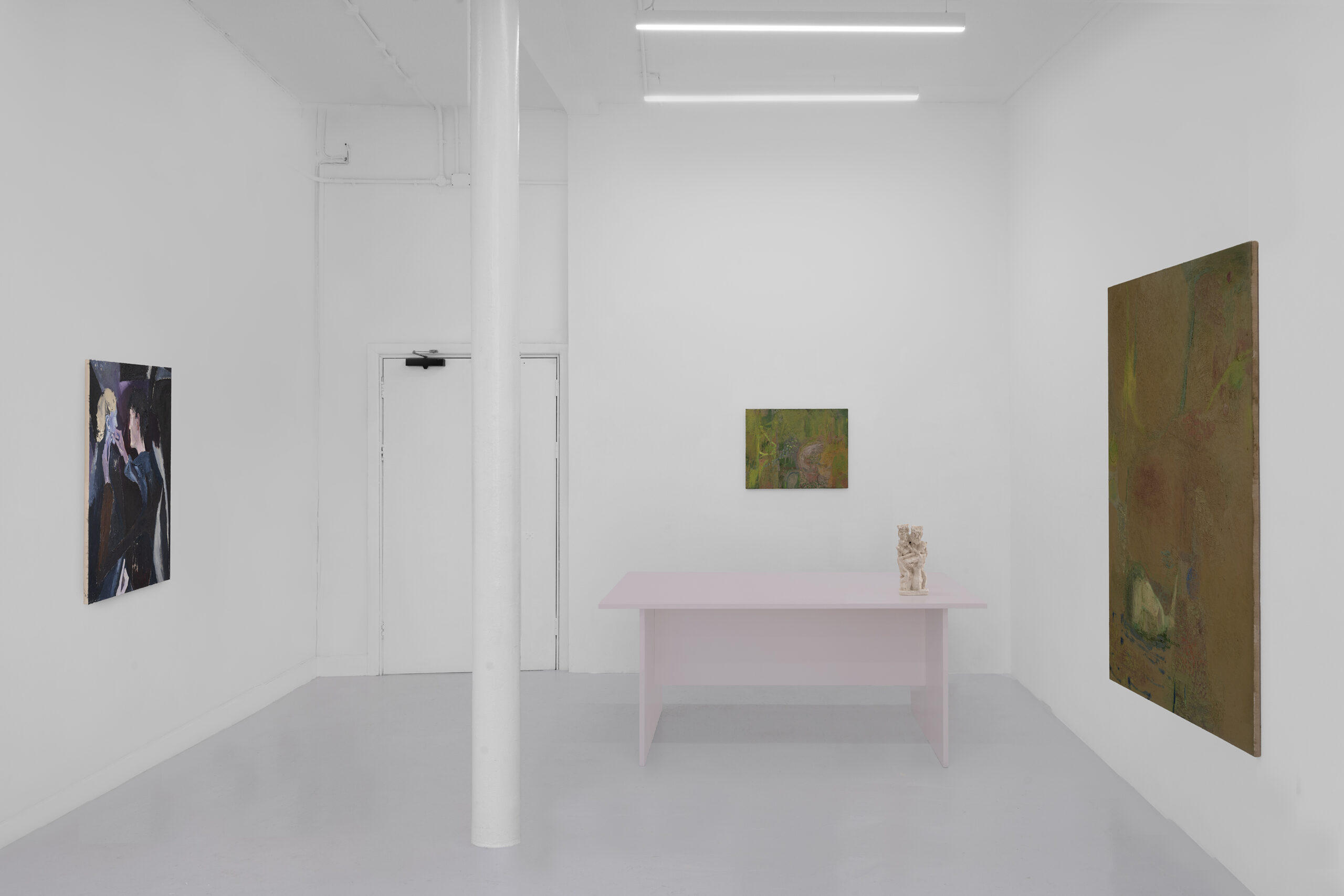
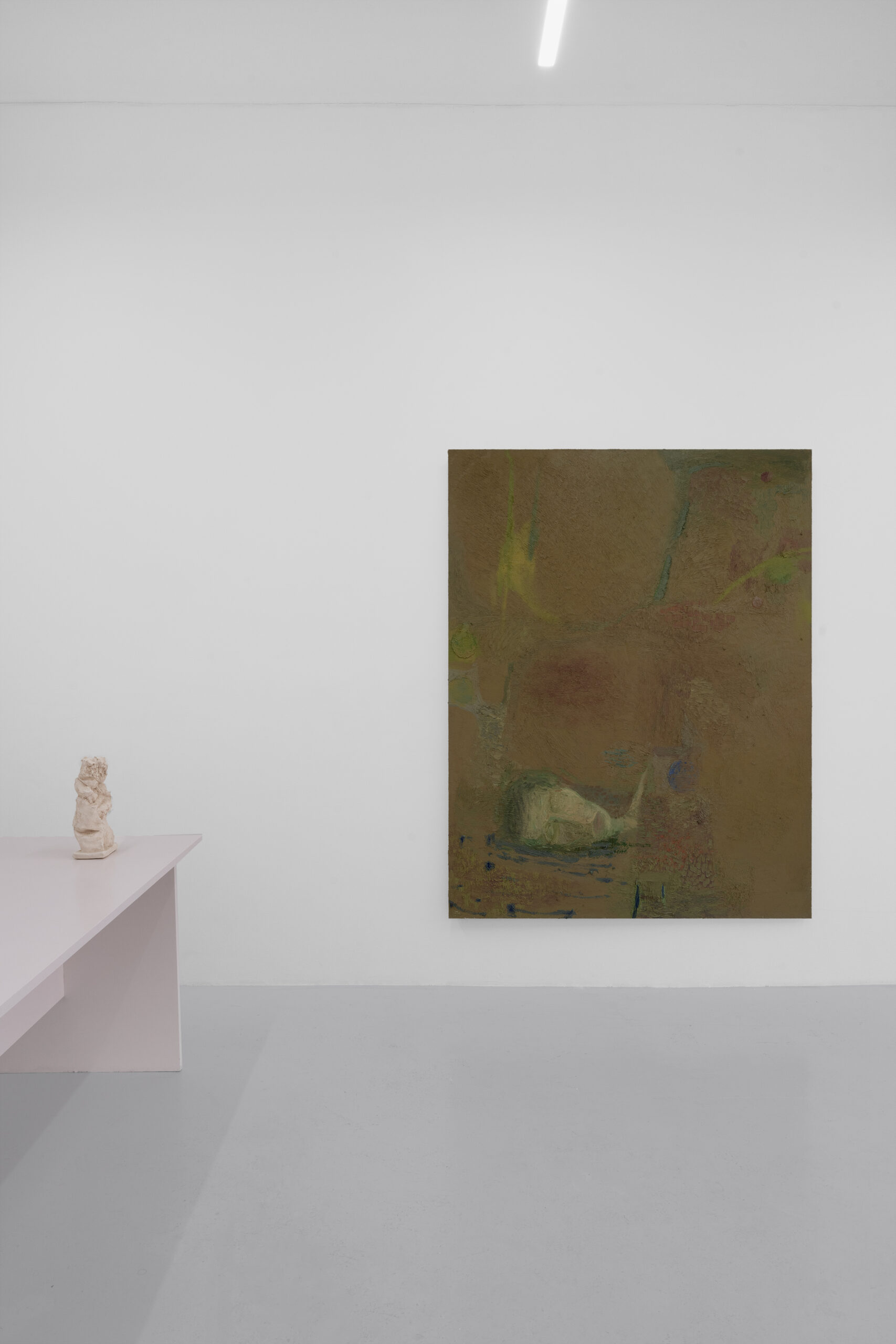
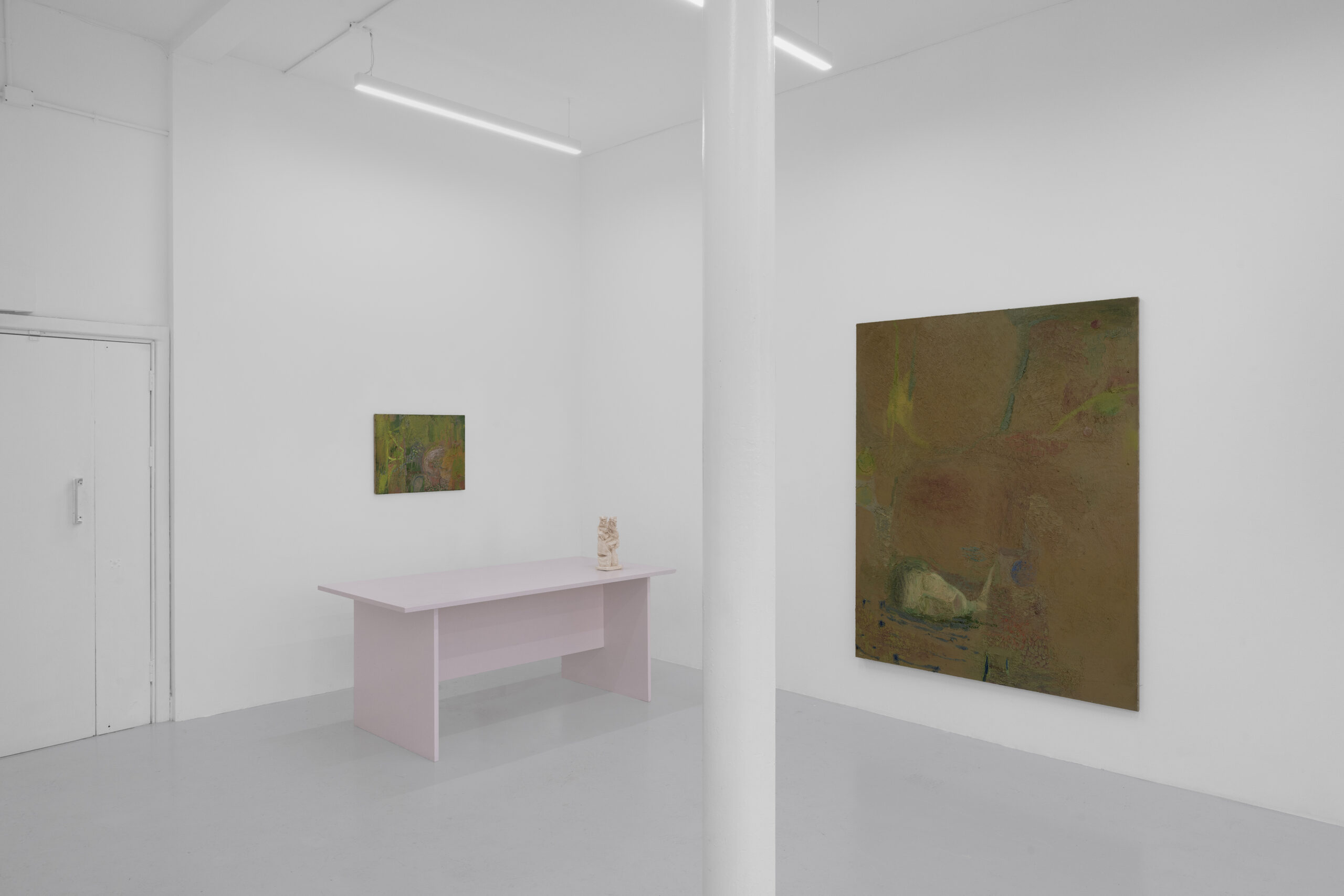
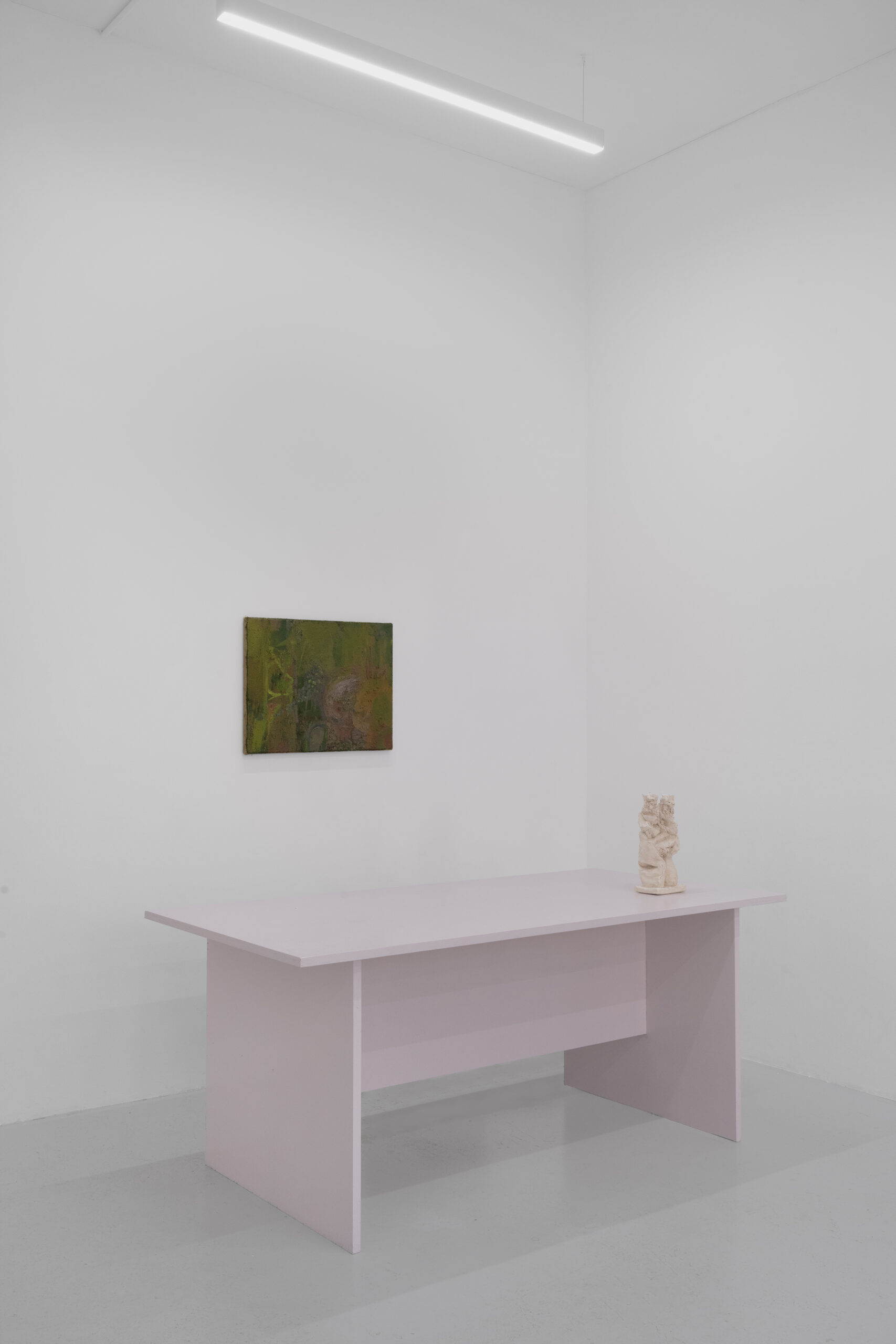
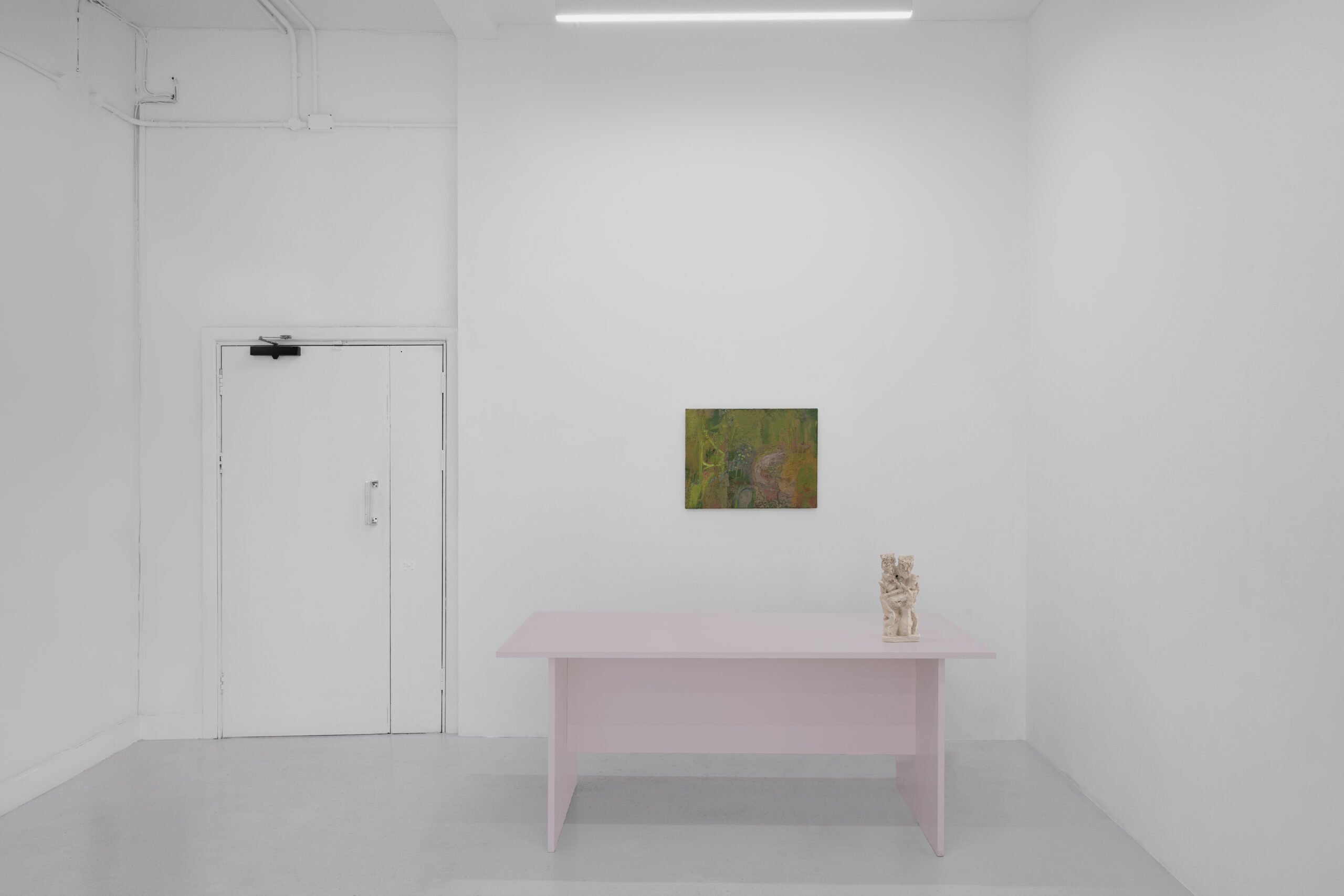
Dom takes the Polish word for home as its point of departure. Rather than presenting the works within a conventional gallery setting, the exhibition creates a domestic environment understood as an accumulation of objects, images, gestures, memories and encounters.
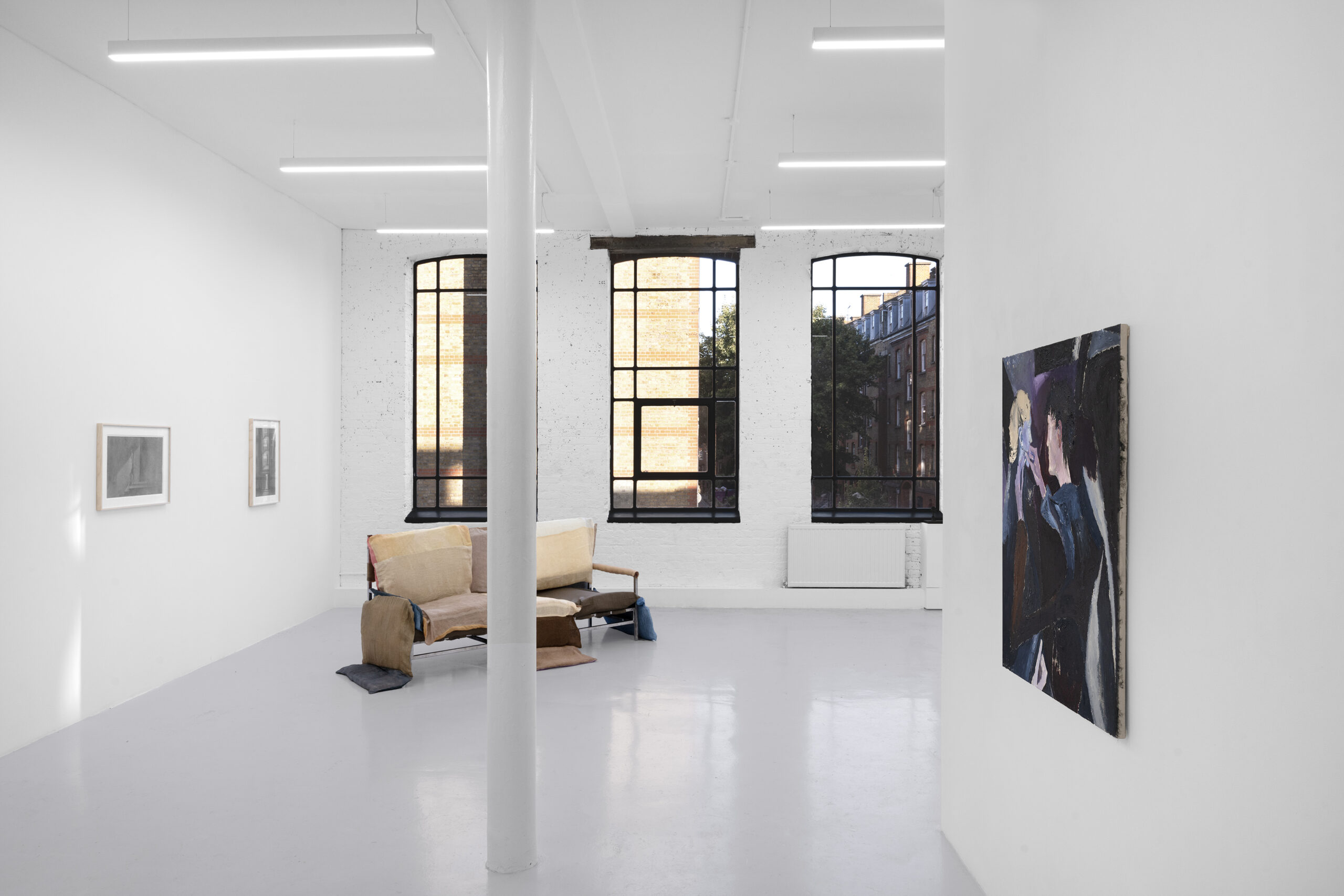
Within this setting, the exhibition moves between the intimate and the imagined, the domestic and the distant. Furniture, sculpture and paintings occupy the space alongside one another, creating the impression of a place that might be lived in, remembered or dreamt.
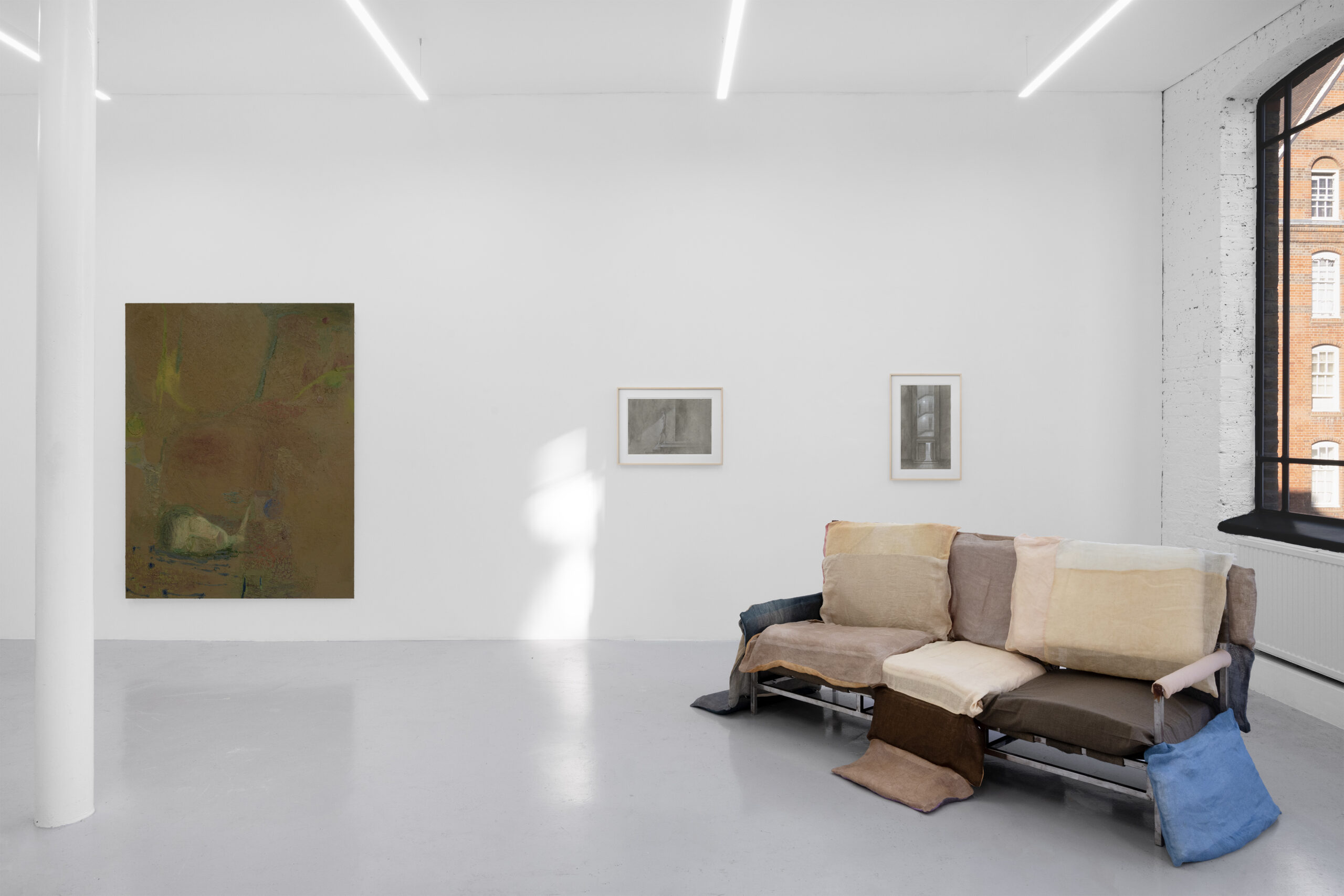
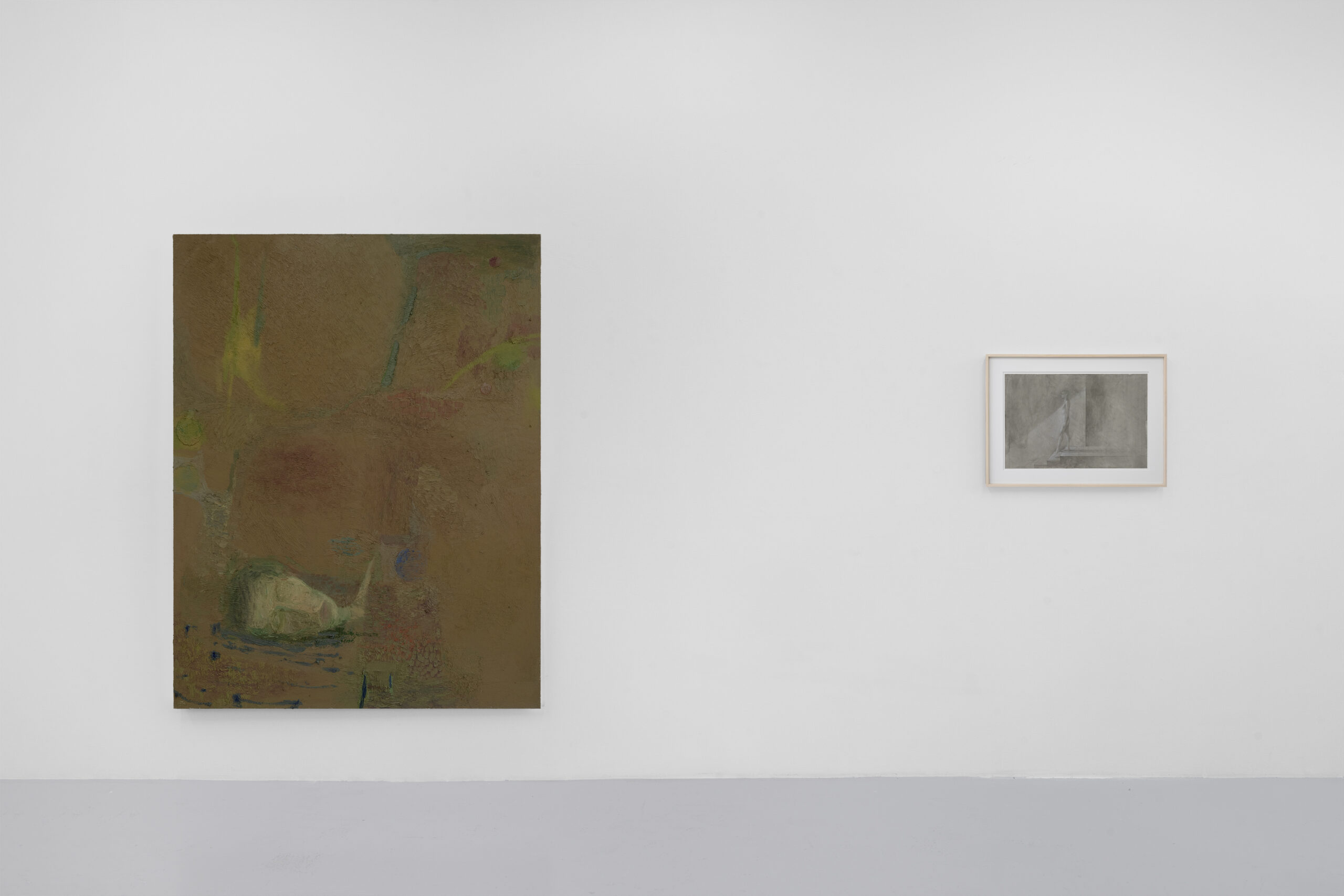
In Jan Eustachy Wolski’s work, domestic space becomes a place of sleep, reading and reverie. In one painting inspired by Solenoid, the strange and dreamlike novel by Romanian writer Mircea Cărtărescu, a reclined head appears to float in its abstract surroundings, seemingly asleep. The novel’s movement between waking life, dreams and alternative realities provides an oblique parallel to the figure in the painting, caught between the physical intimacy of the domestic interior and an imagined elsewhere.
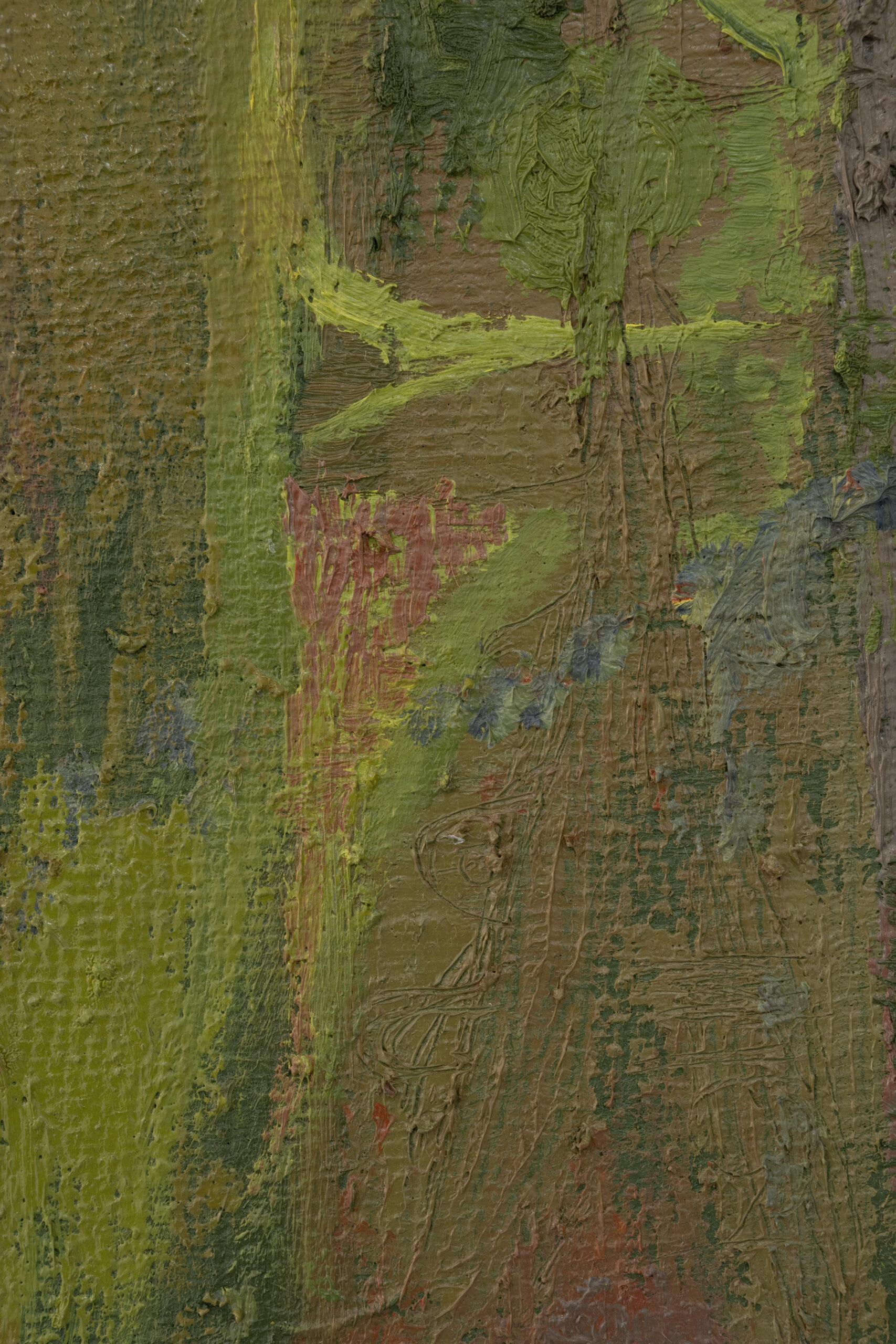
A green painting draws on a fragment of a conversation between Jorge Pardo and Jan Tulmir, in which Pardo describes the punk musicians of 1970s Britain as modern-day romantics wandering through the ruins of industrial Britain. For Wolski, the image connects to the adolescent experience of moving through abandoned buildings: spaces marked by decline and absence that could nevertheless become sites of freedom, discovery and imagination. The ruin is both a physical place and a state of mind.
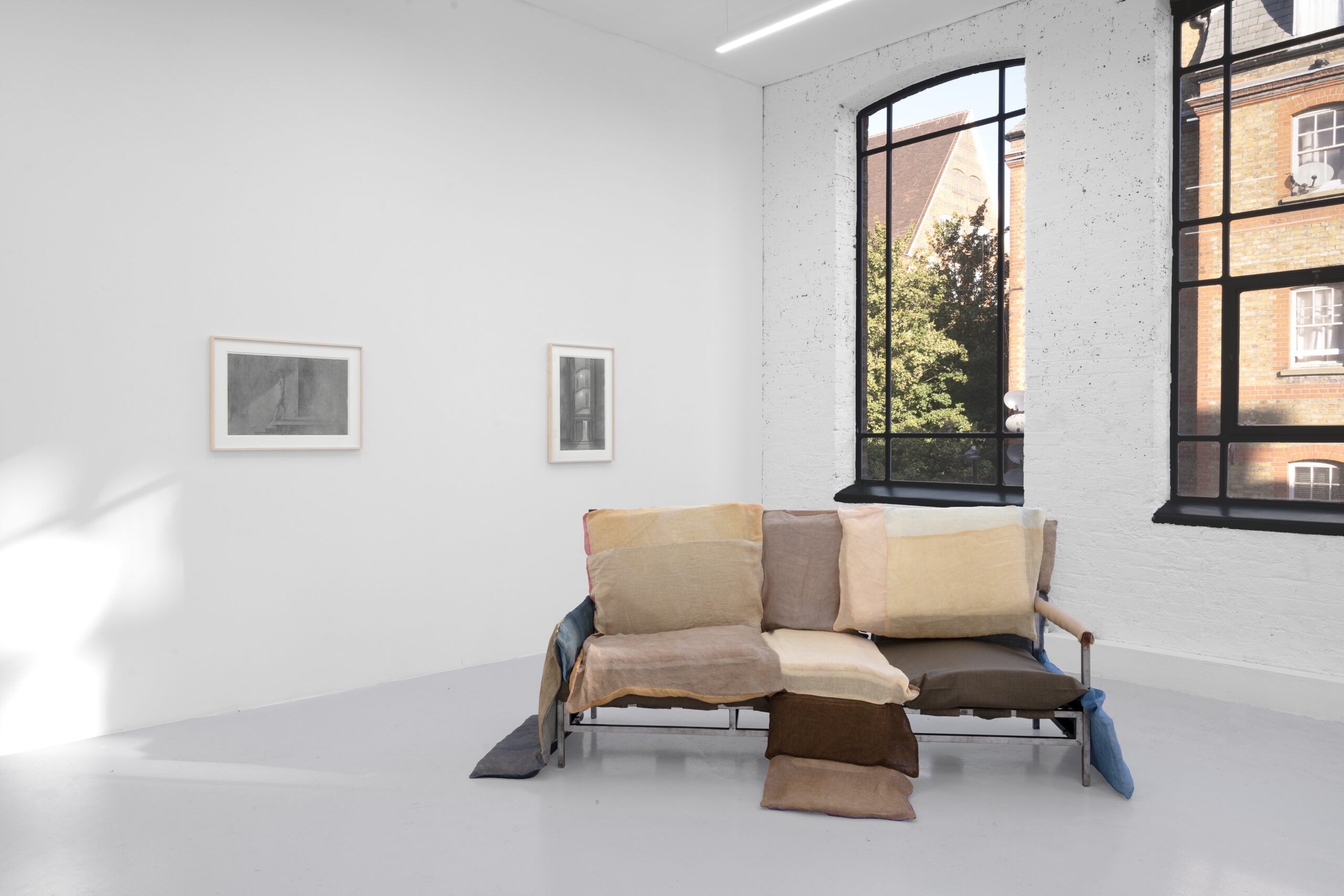
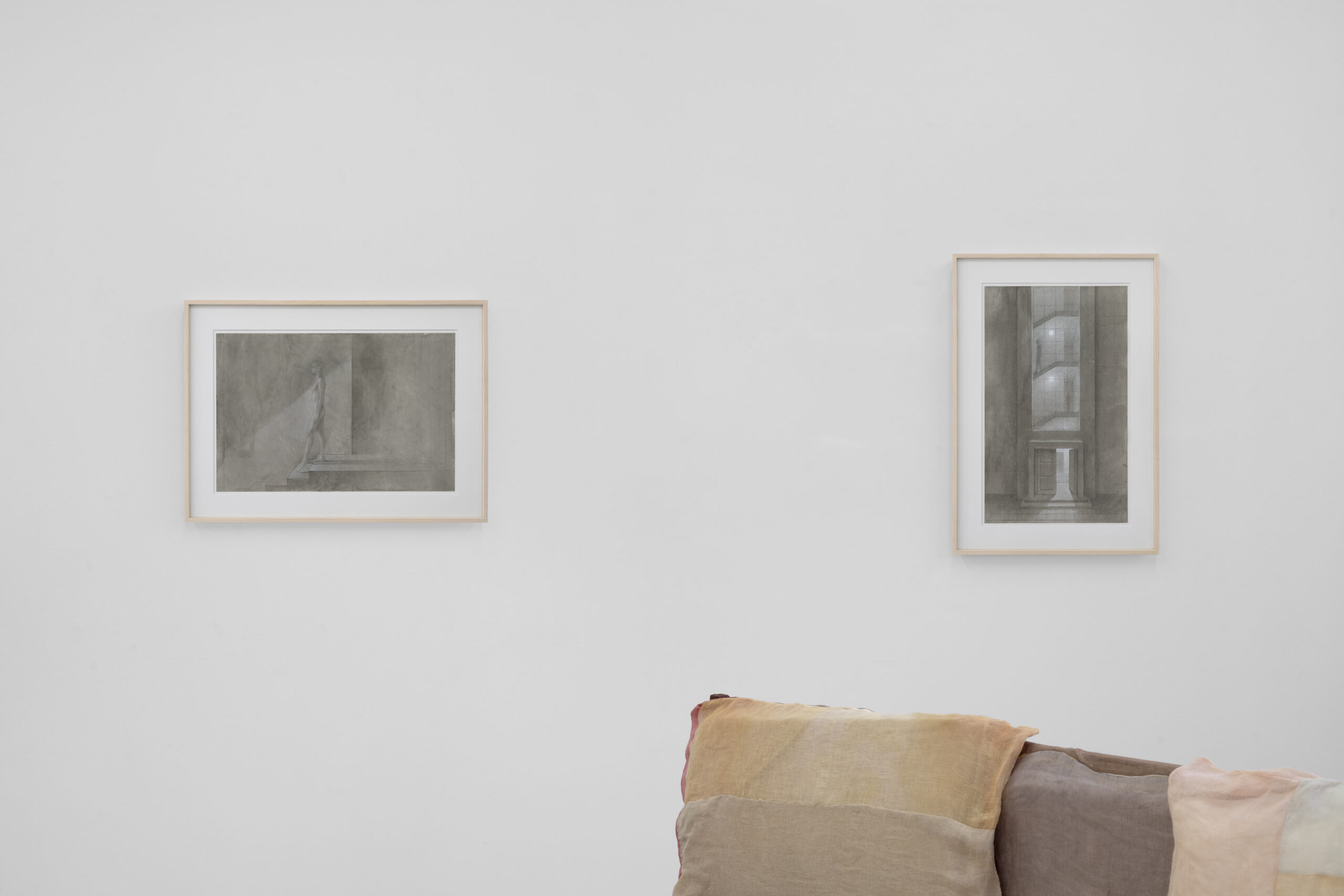
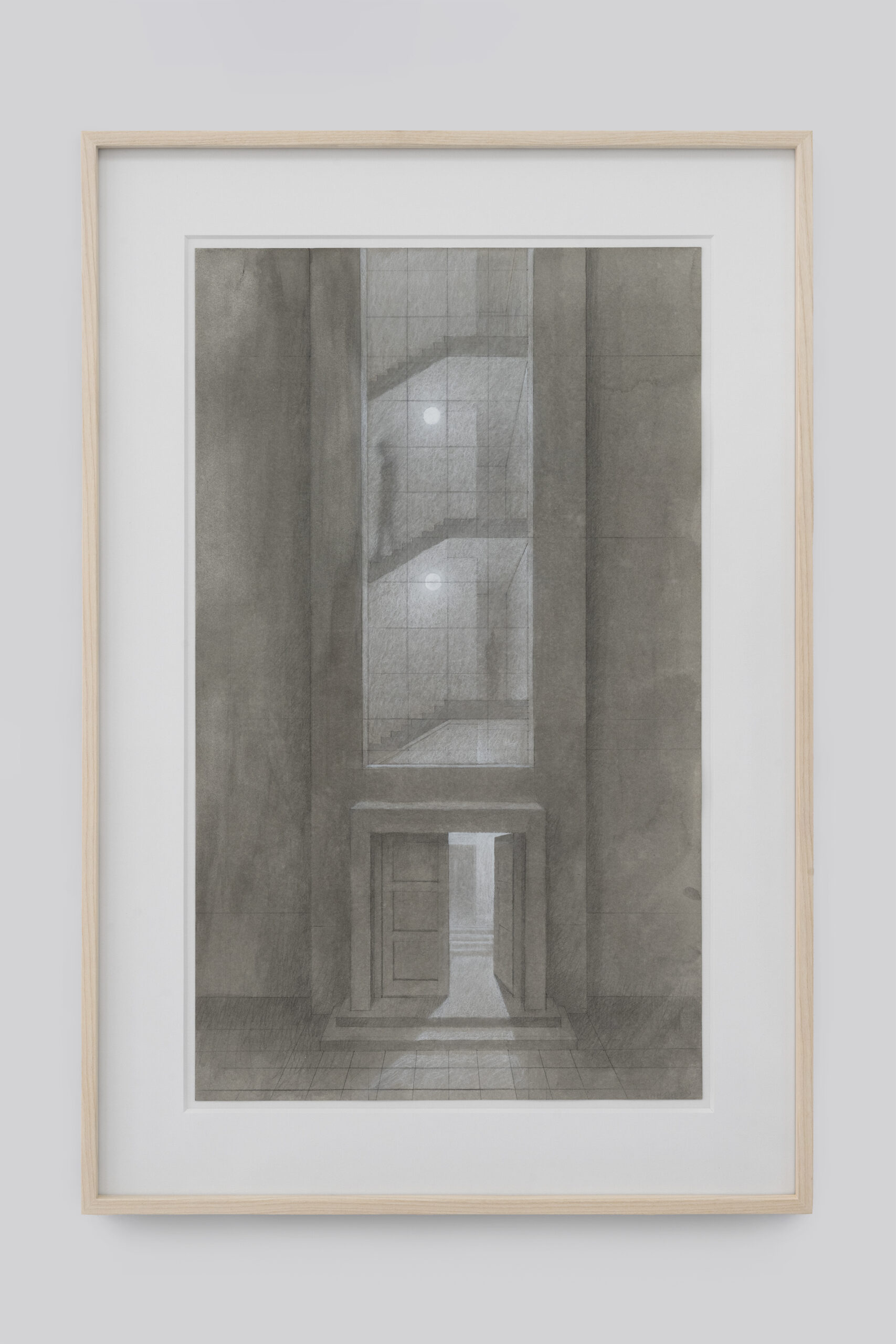
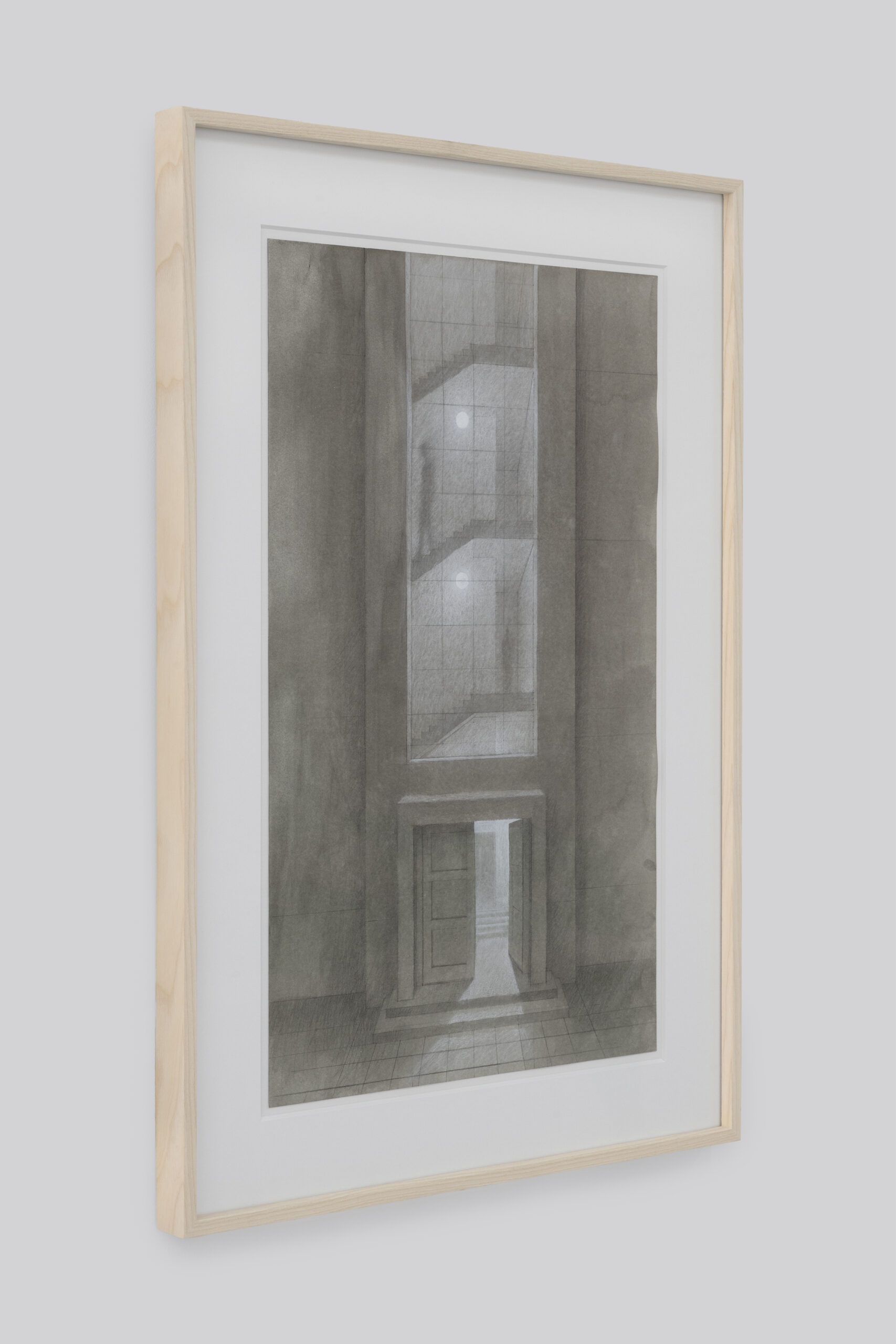
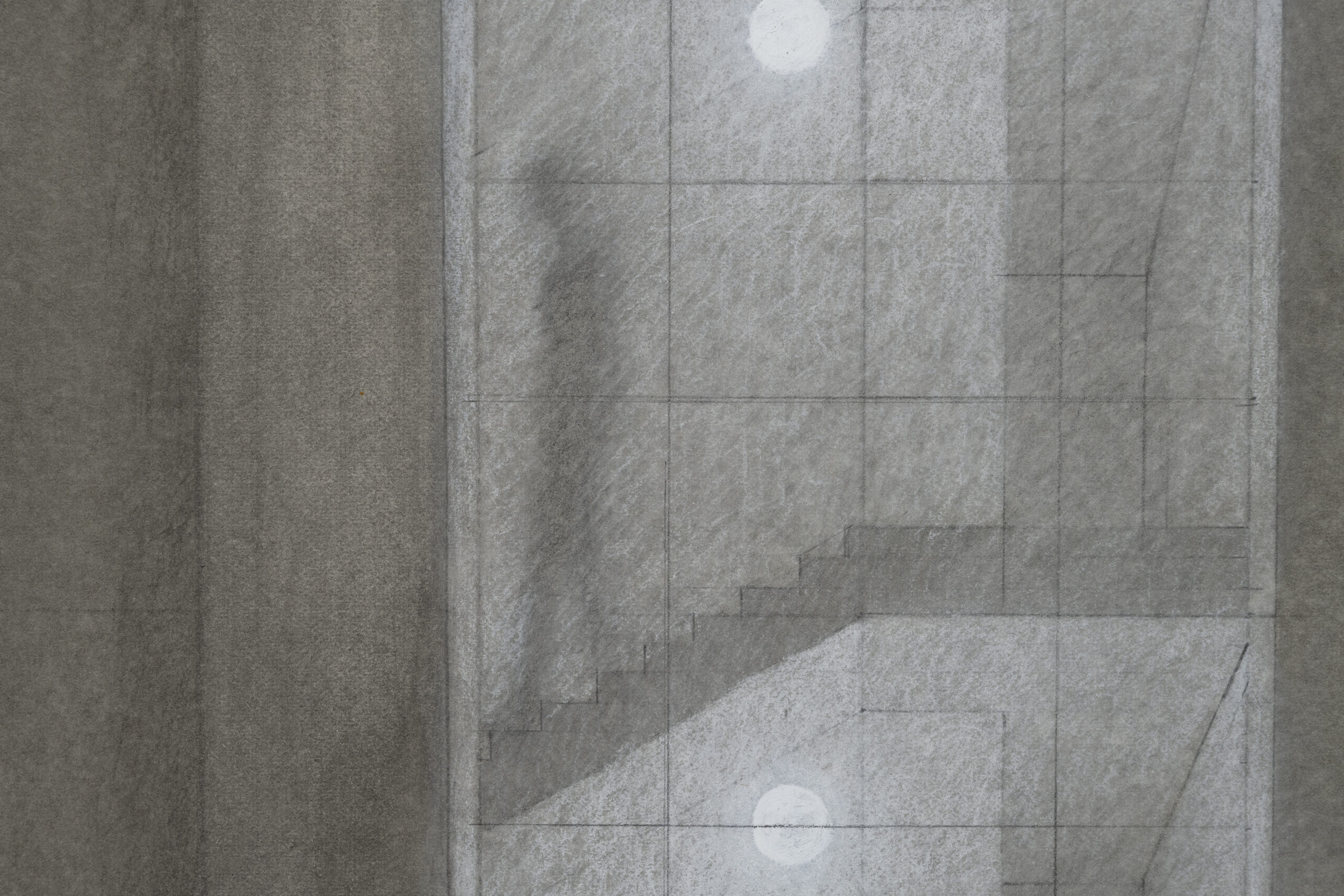
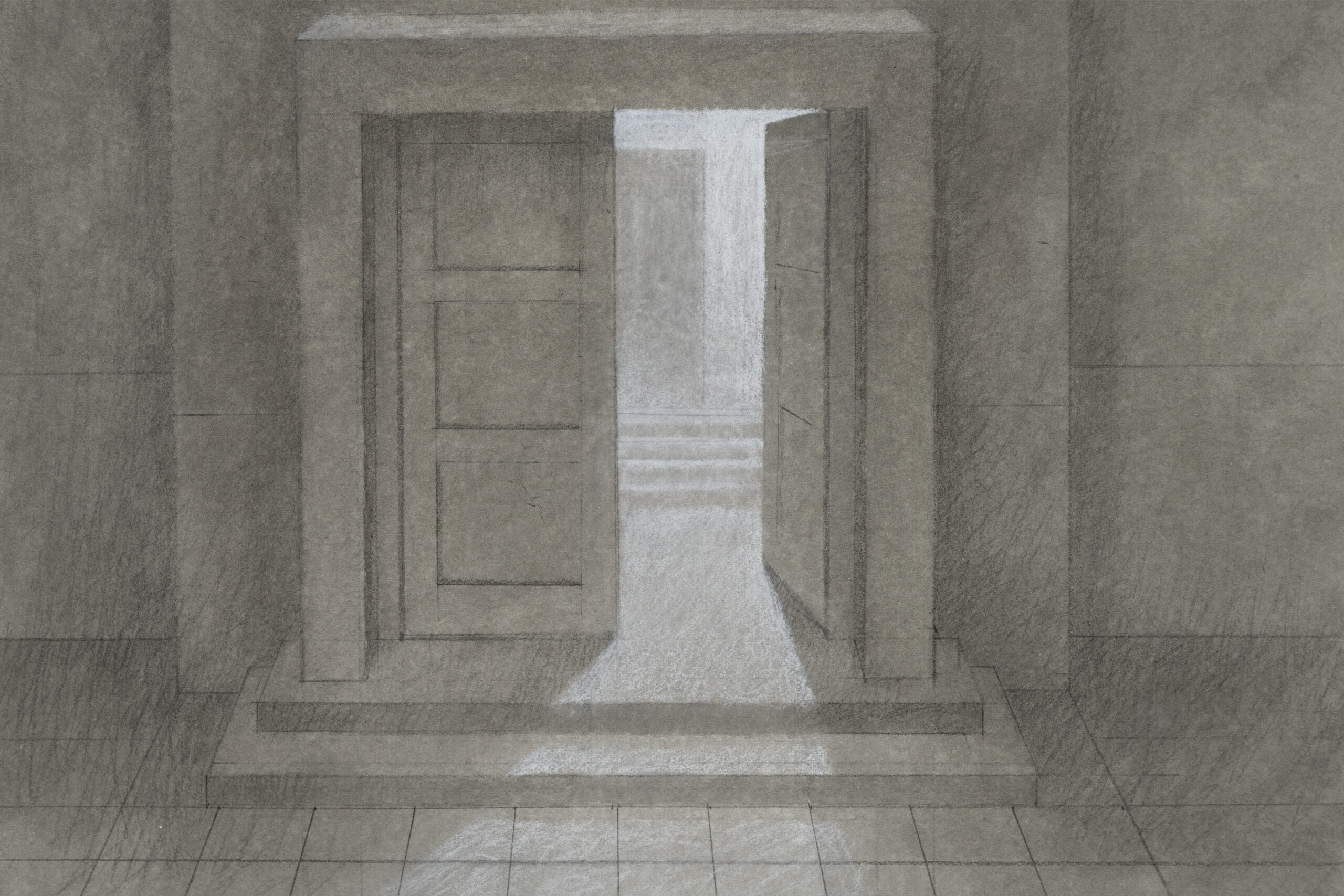
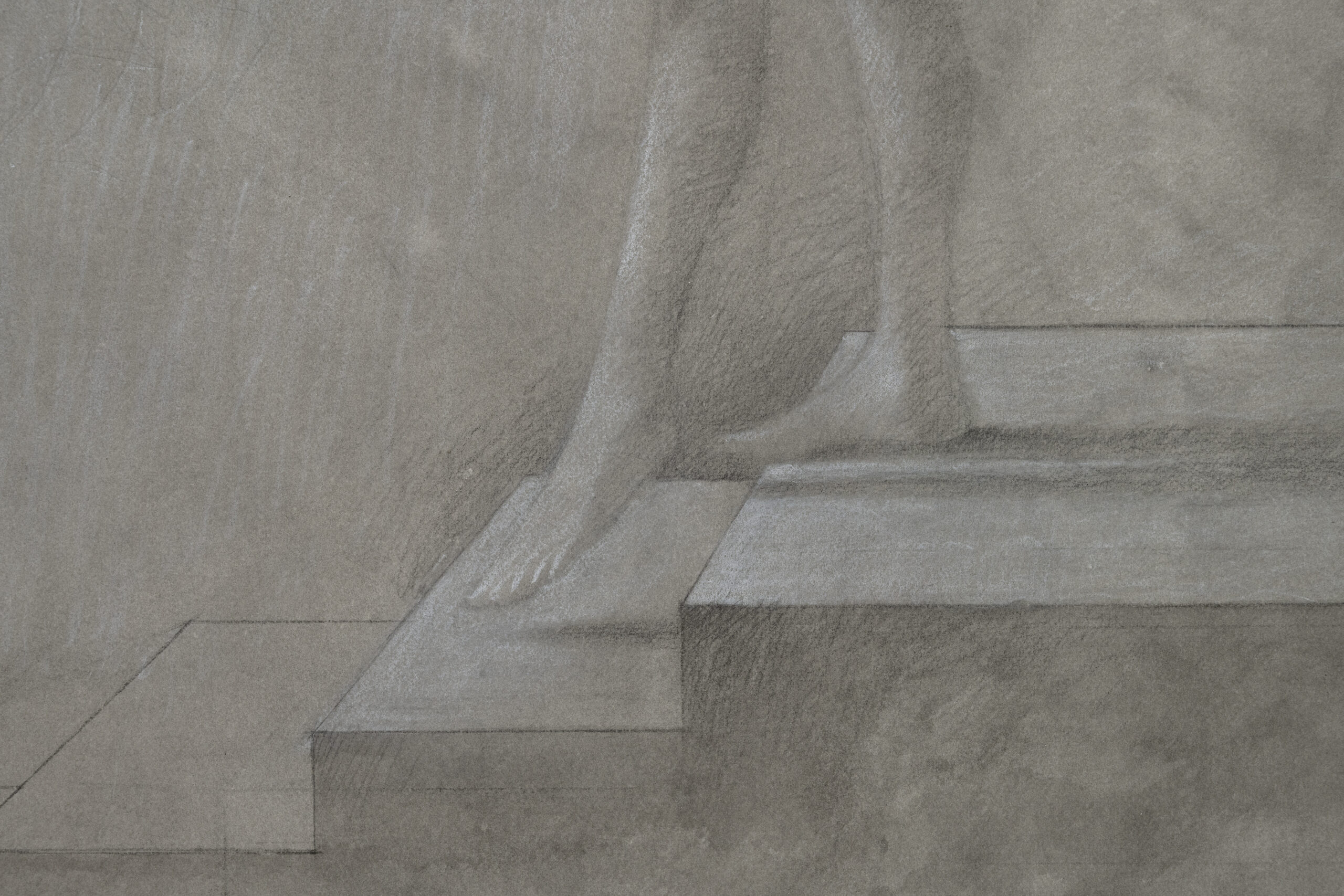
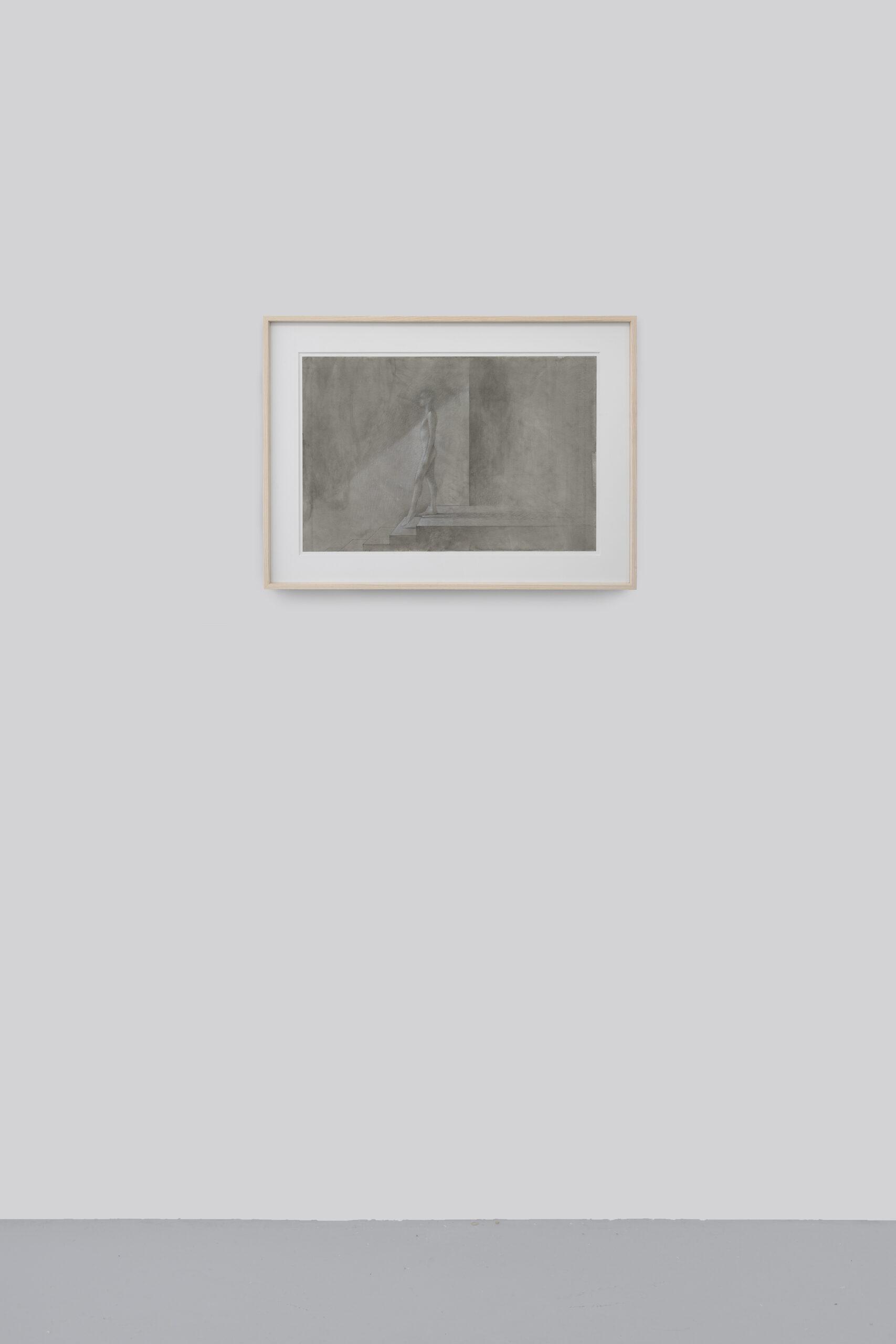
Iwo Panasiewicz’s drawings further complicate the relationship between domestic space and fiction. His characters and narratives remain deliberately undefined and inhabit imagined architectural spaces. Rather than offering a coherent narrative, Panasiewicz constructs environments that appear to exist somewhere between observation and invention.
Konrad Żukowski’s works introduce another set of relationships between domesticity, literature and place. One point of departure is the house of Leopold Bloom, the central character of James Joyce’s Ulysses. Joyce’s detailed descriptions of Bloom’s home transform the ordinary domestic interior into a richly observed fictional world. The house exists simultaneously as a realisable space and a literary construction, an idea that resonates with the exhibition’s own transformation of the gallery into a domestic environment.
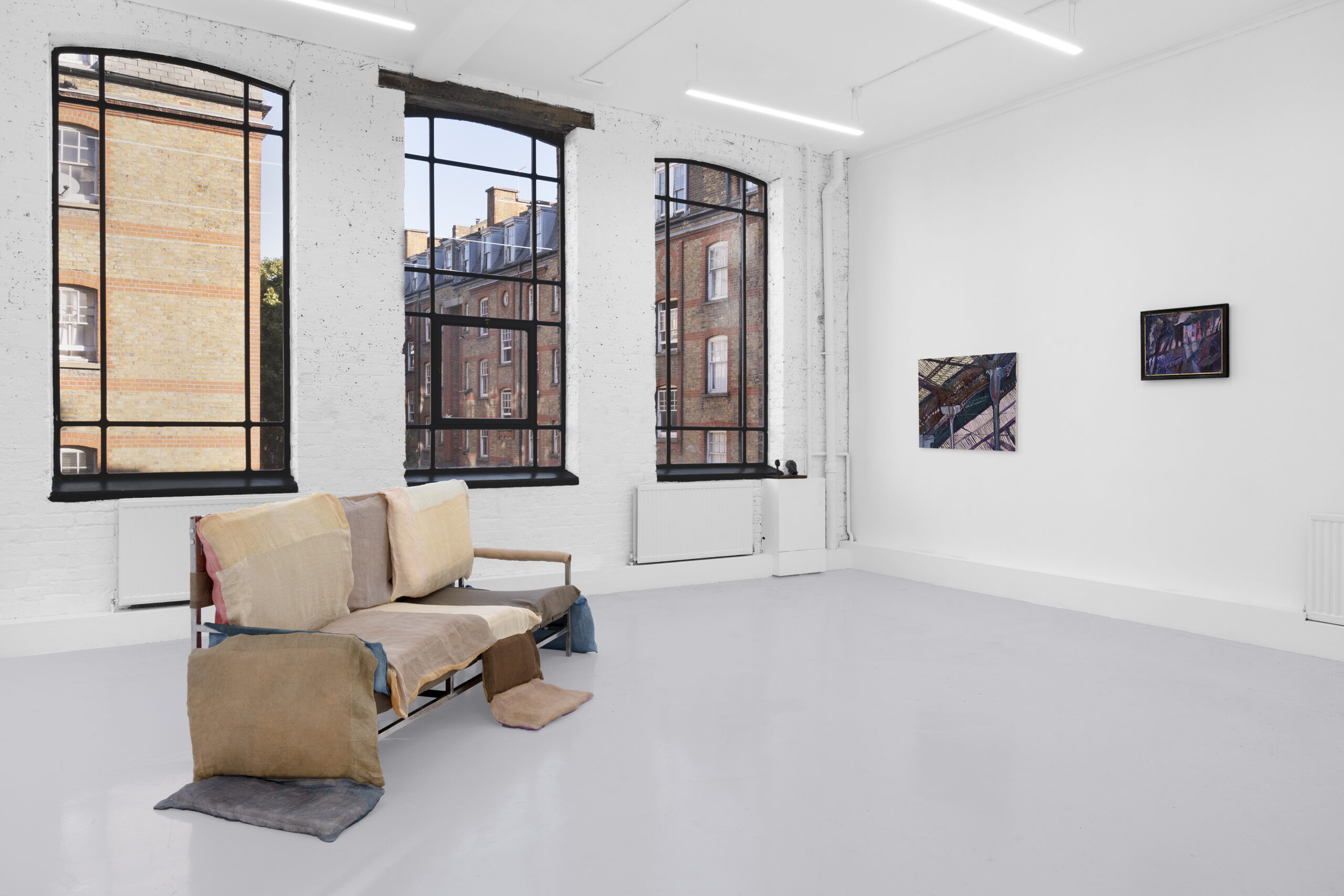
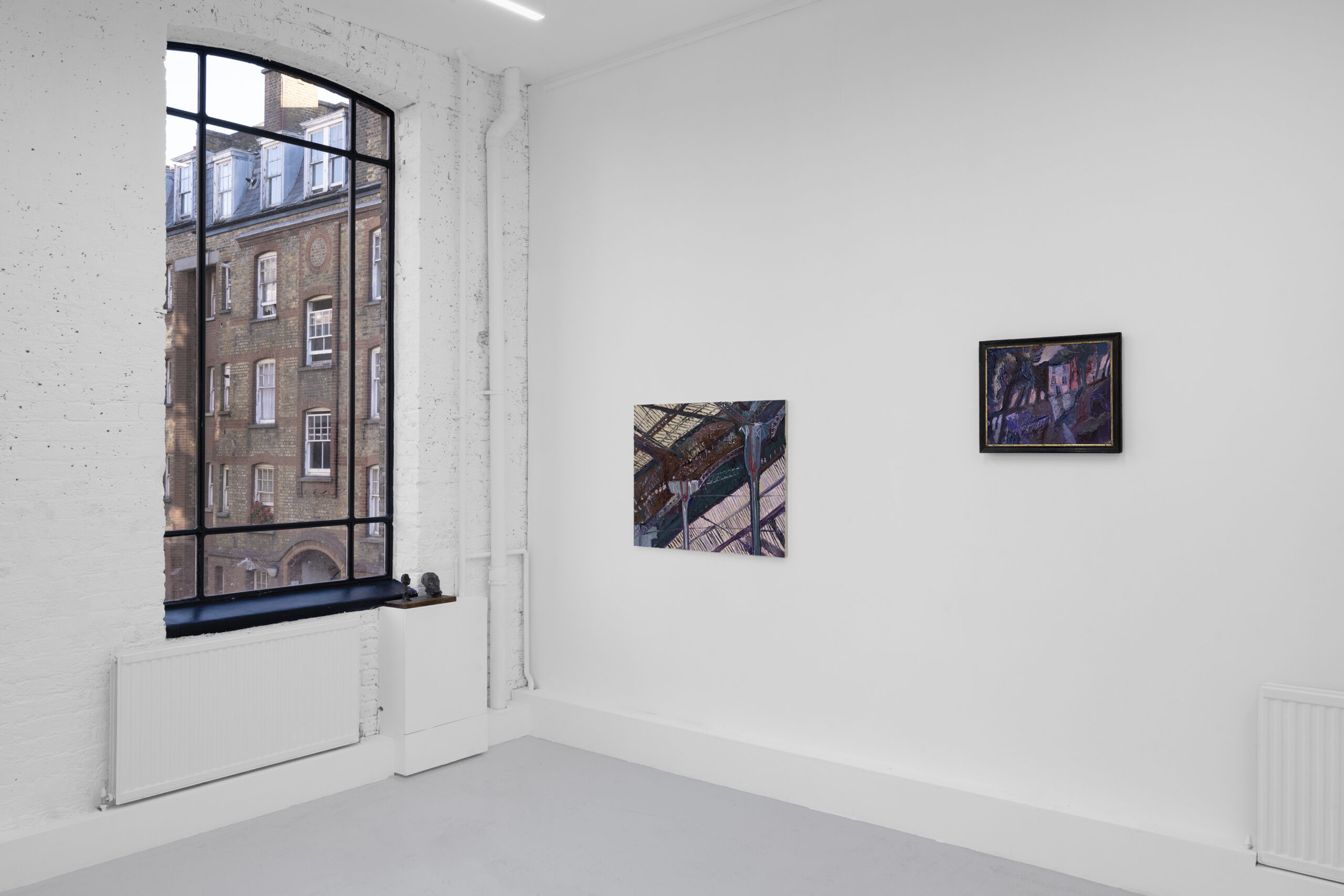
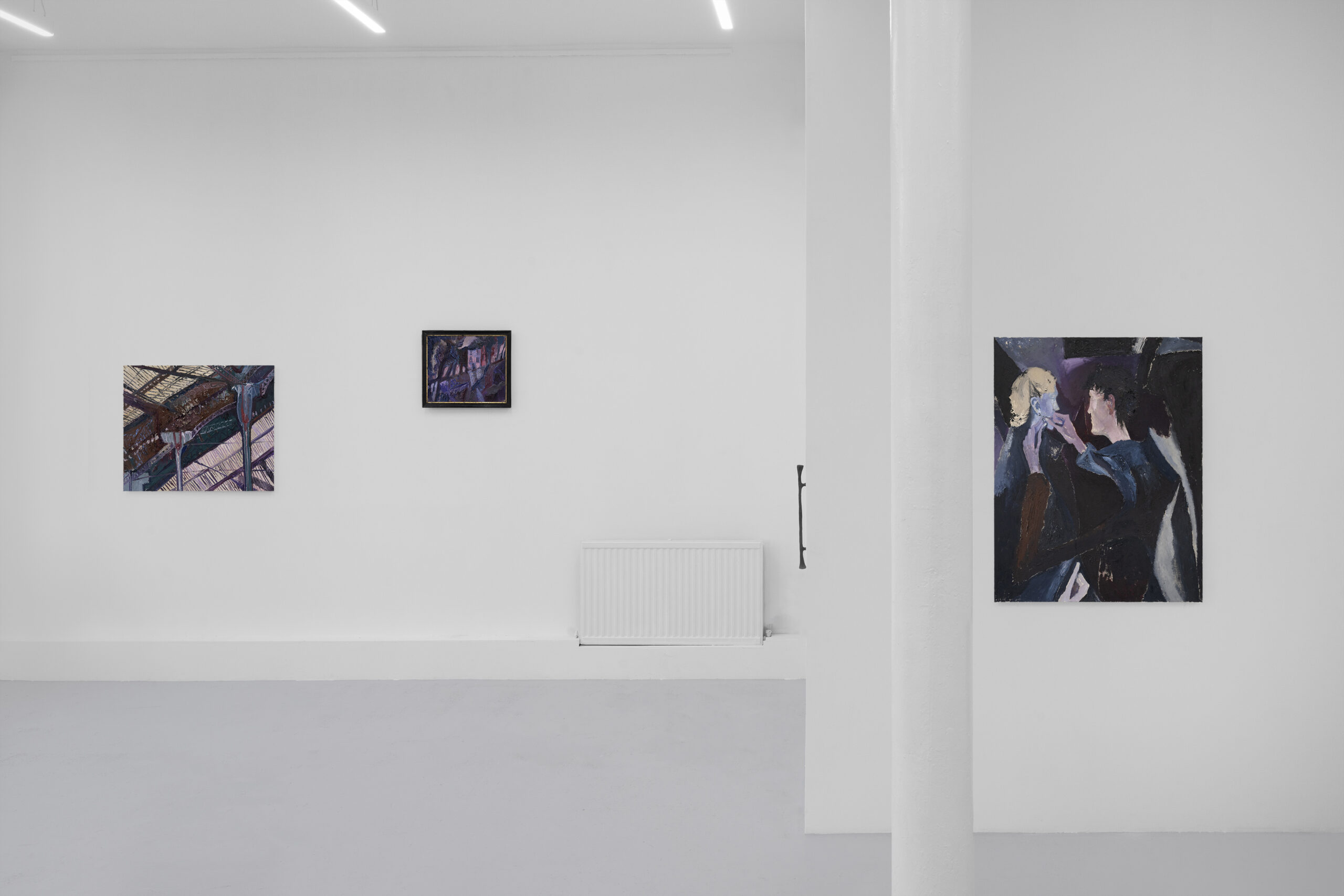
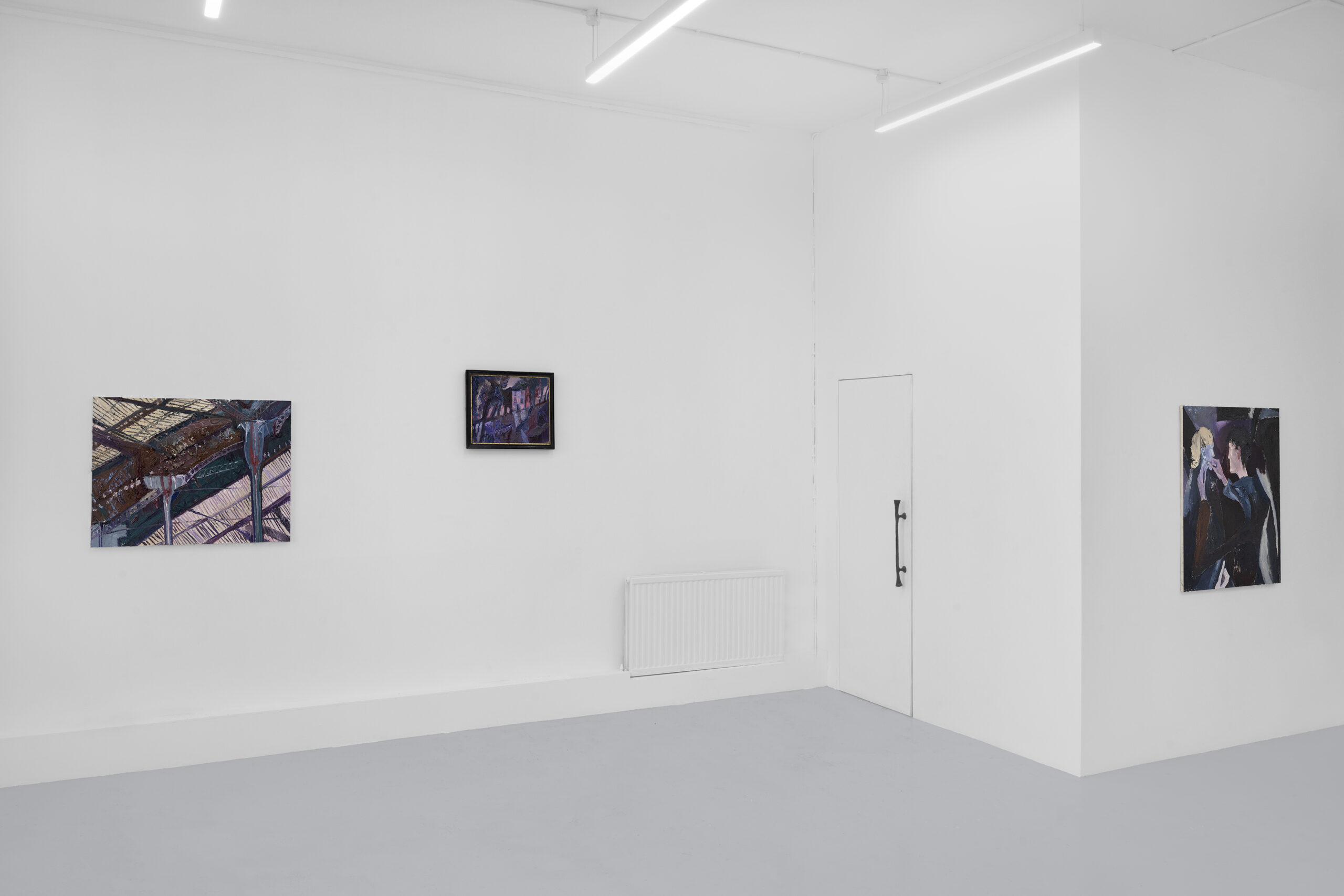
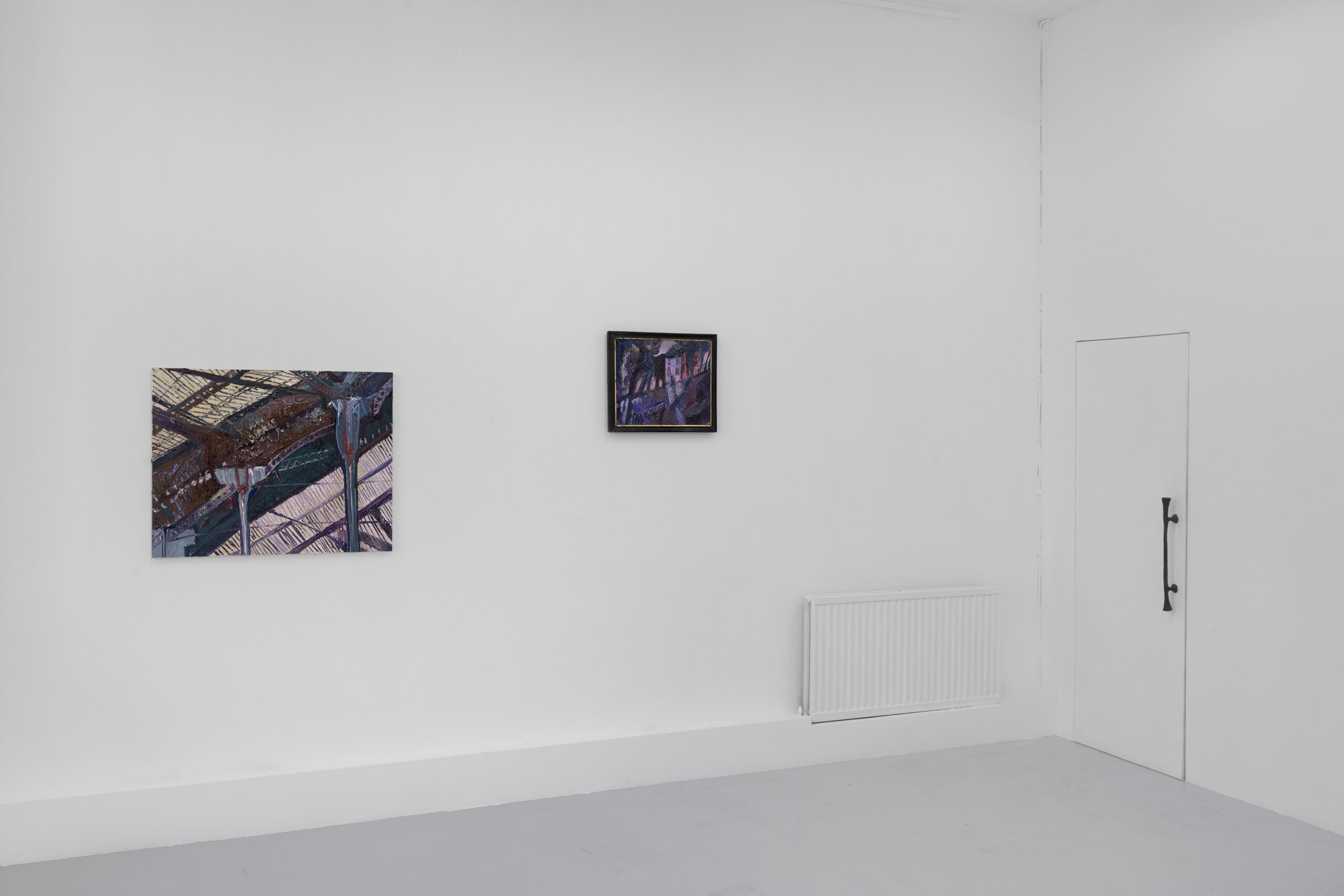
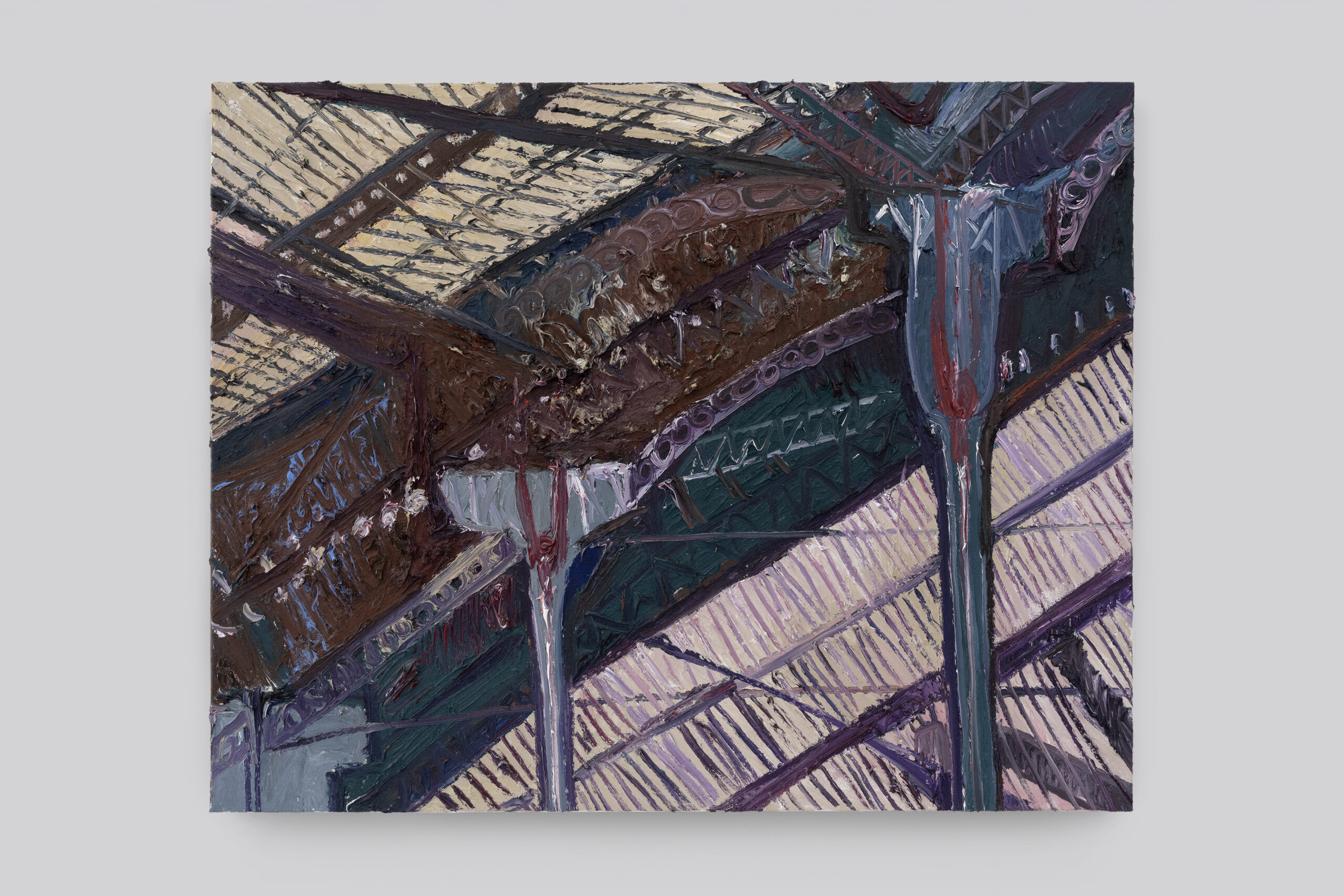
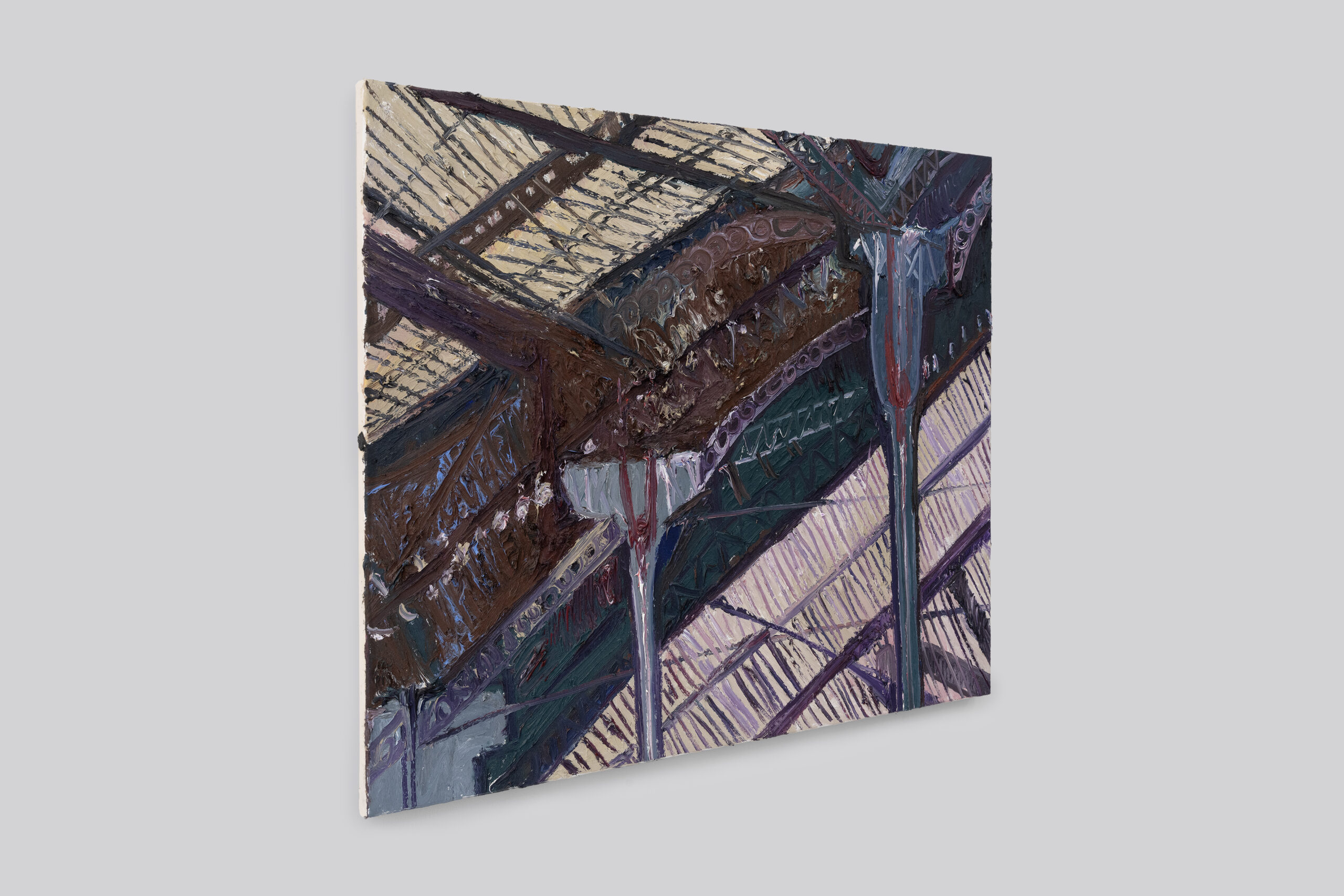
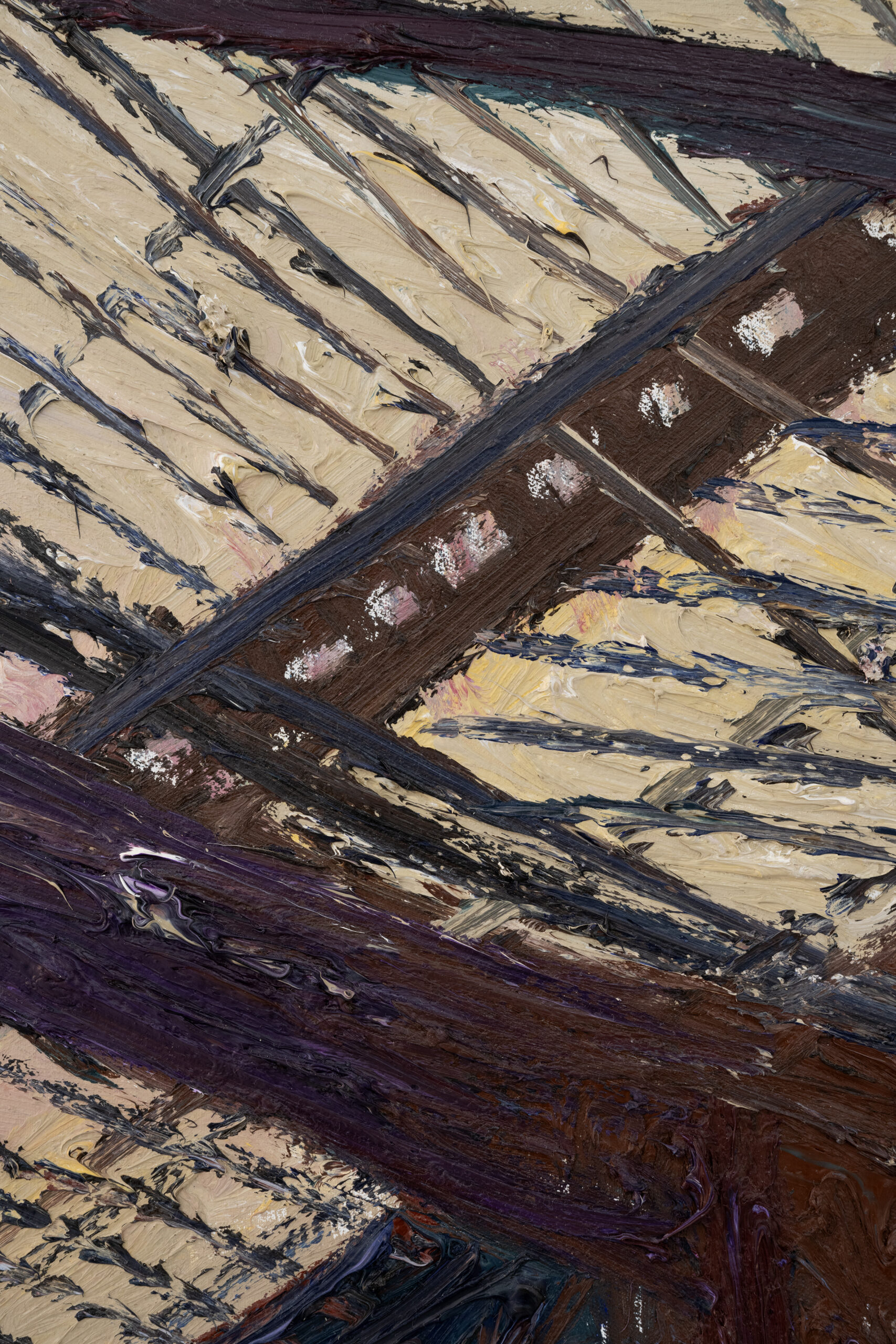
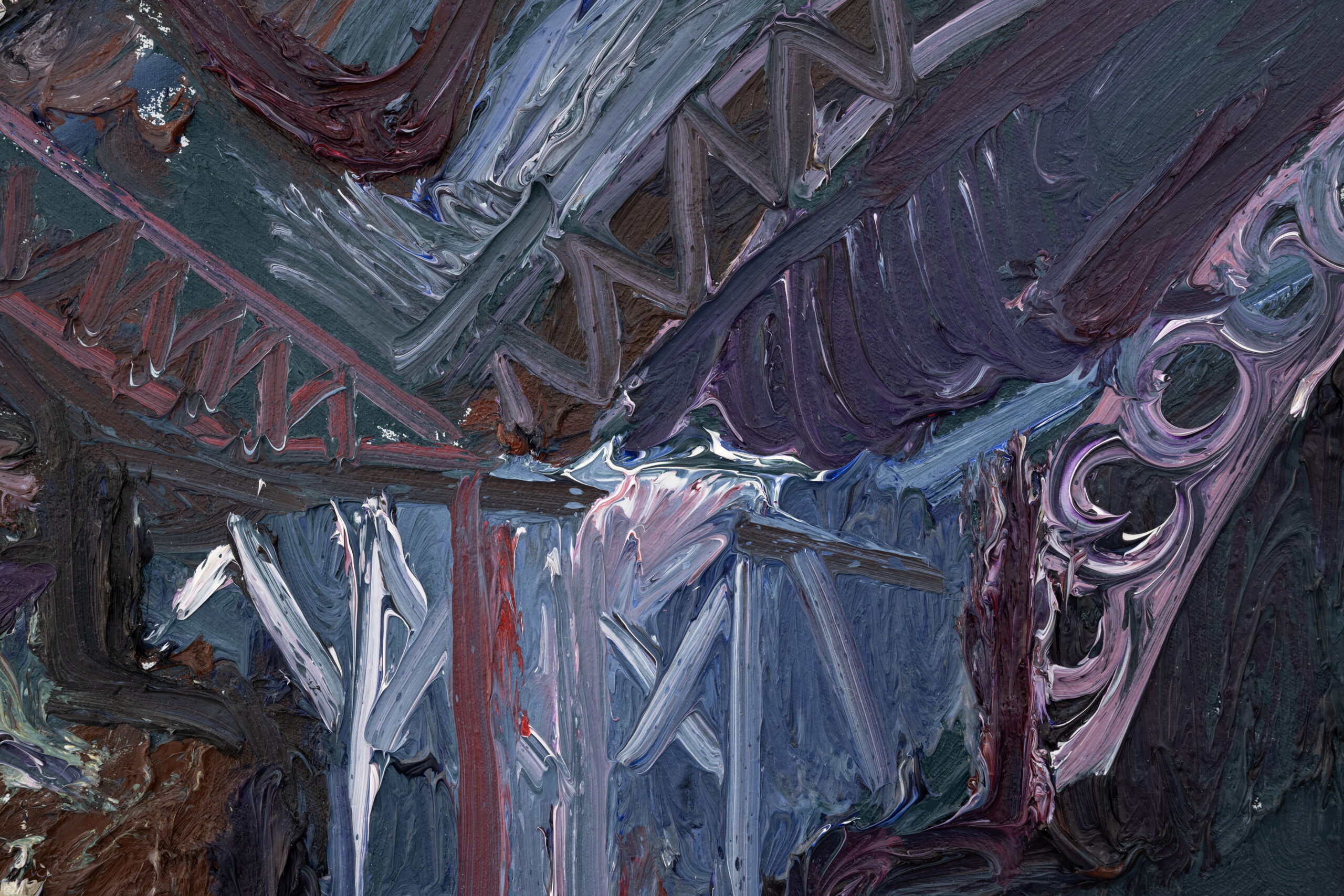
Elsewhere, Żukowski turns towards the Gare de Lyon in Paris, introducing a distinctly public and transient space into the exhibition. The railway station, with its movement, departures and arrivals, stands in contrast to the apparent permanence of the home. Another work depicts an intimate encounter between two men trying on each other’s earrings. The scene is private yet playful, concerned with proximity, exchange and the small gestures through which relationships are formed.
A sofa, created in collaboration between the artists and ML Poznanski, further anchors the exhibition in the domestic. More than a piece of furniture, it establishes itself as a sculpture, inviting viewers to sit and gather informally in the space, thus becoming a functional object that also contributes to the exhibition’s sense of a shared, inhabited environment.
Together, the works create a domestic environment that is neither entirely real nor entirely fictional. The references move from Joyce and Cărtărescu to abandoned industrial buildings, railway stations, imagined architectures and the intimate gestures of everyday life. The house provides a common structure, but the experiences within it remain fragmented and open.
In this sense, Dom is less an exhibition about the idea of home than an attempt to construct one: a place inhabited by objects, images, bodies, memories and fictions. Like a house, it invites the viewer to move between rooms, perspectives and states of mind, finding connections between things that might otherwise remain separate.
INSTALLATION VIEWS
SELECTED WORKS
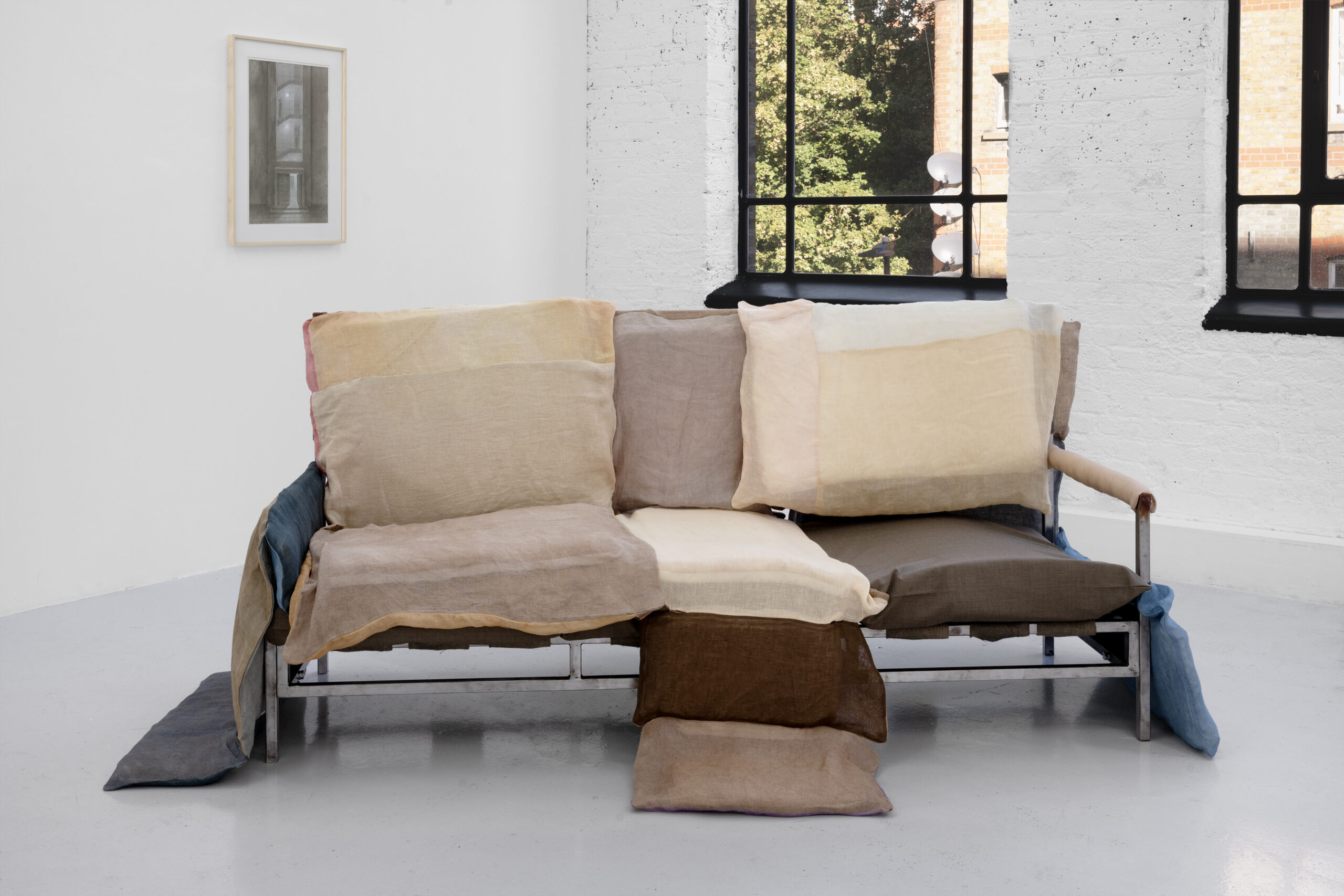
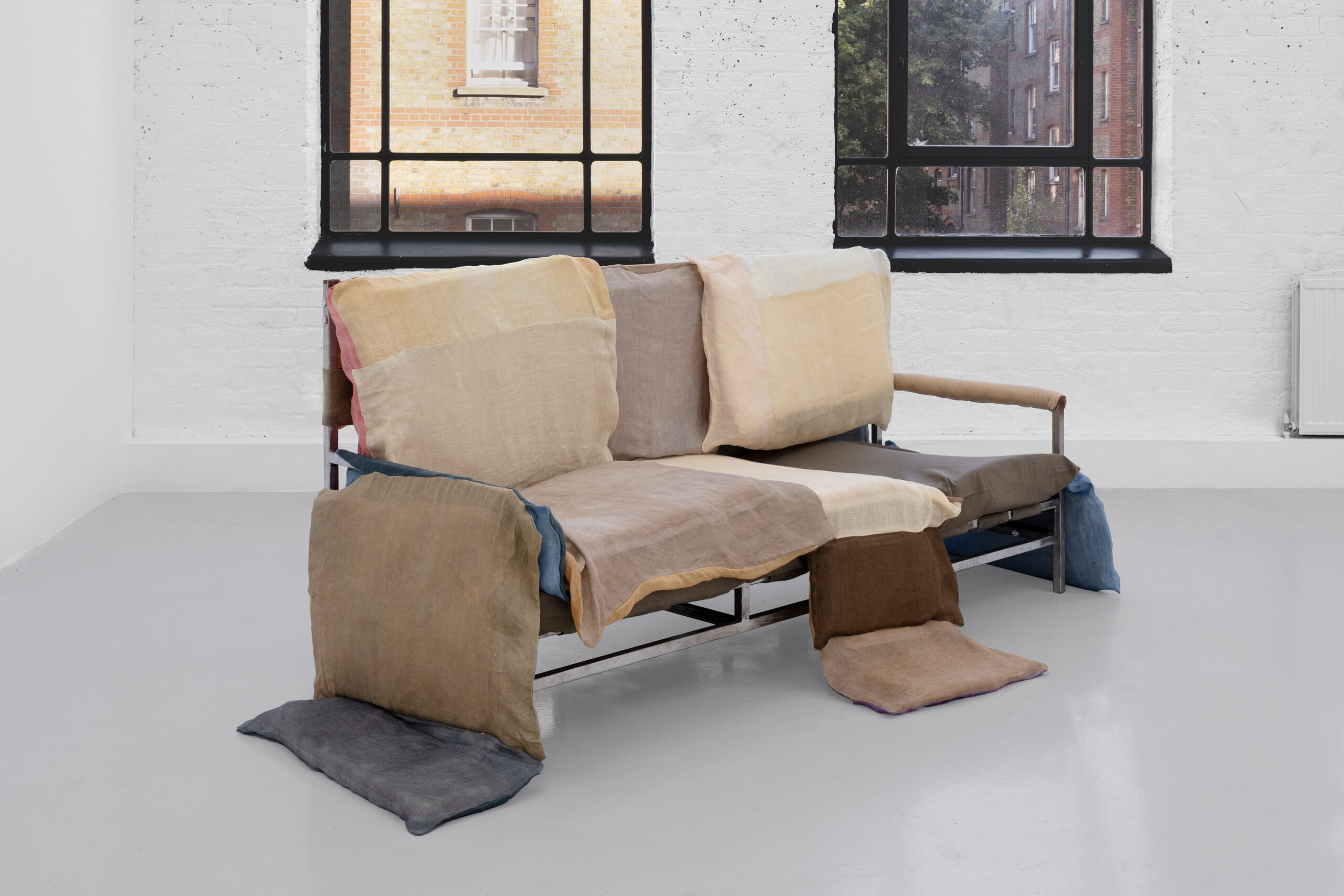
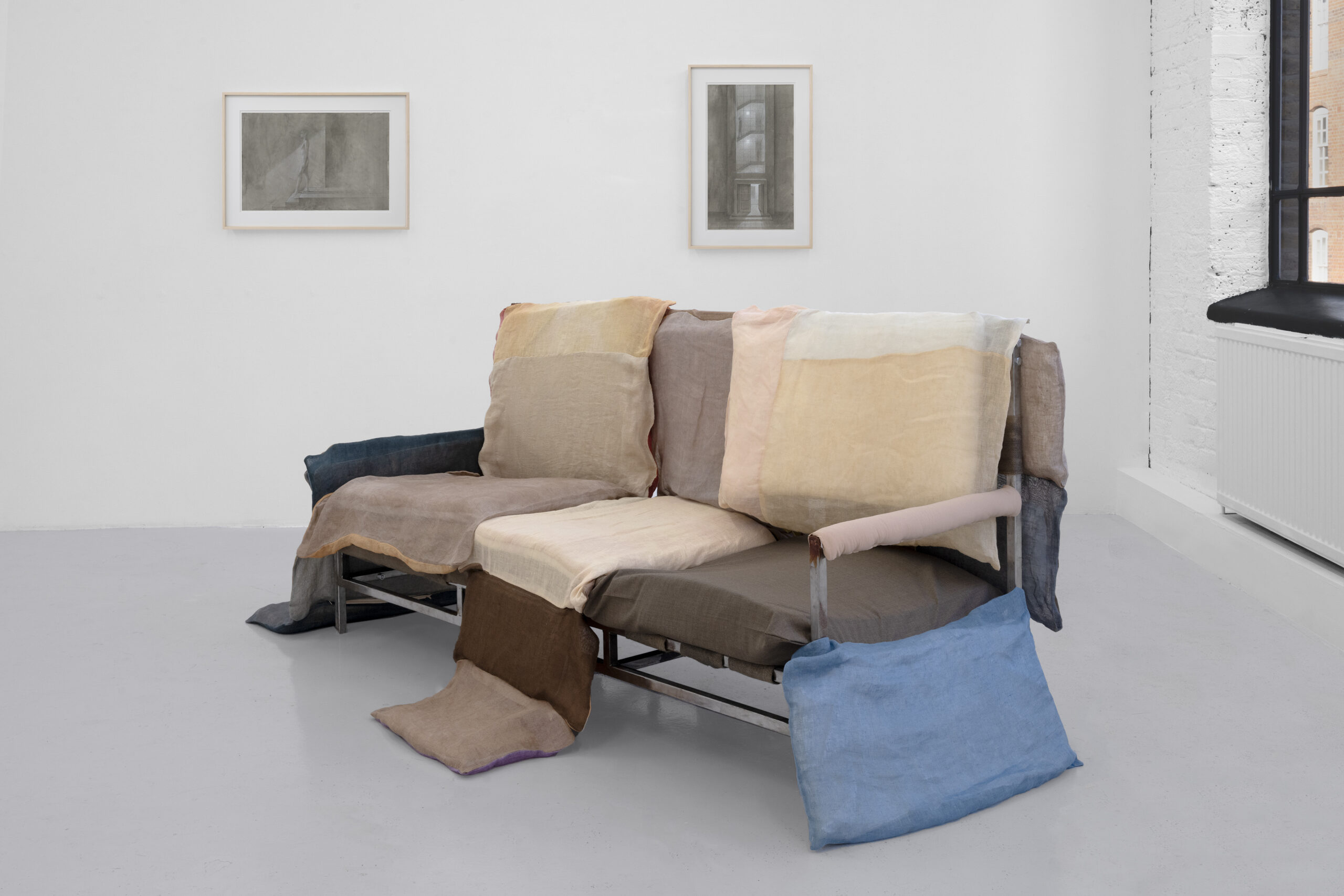
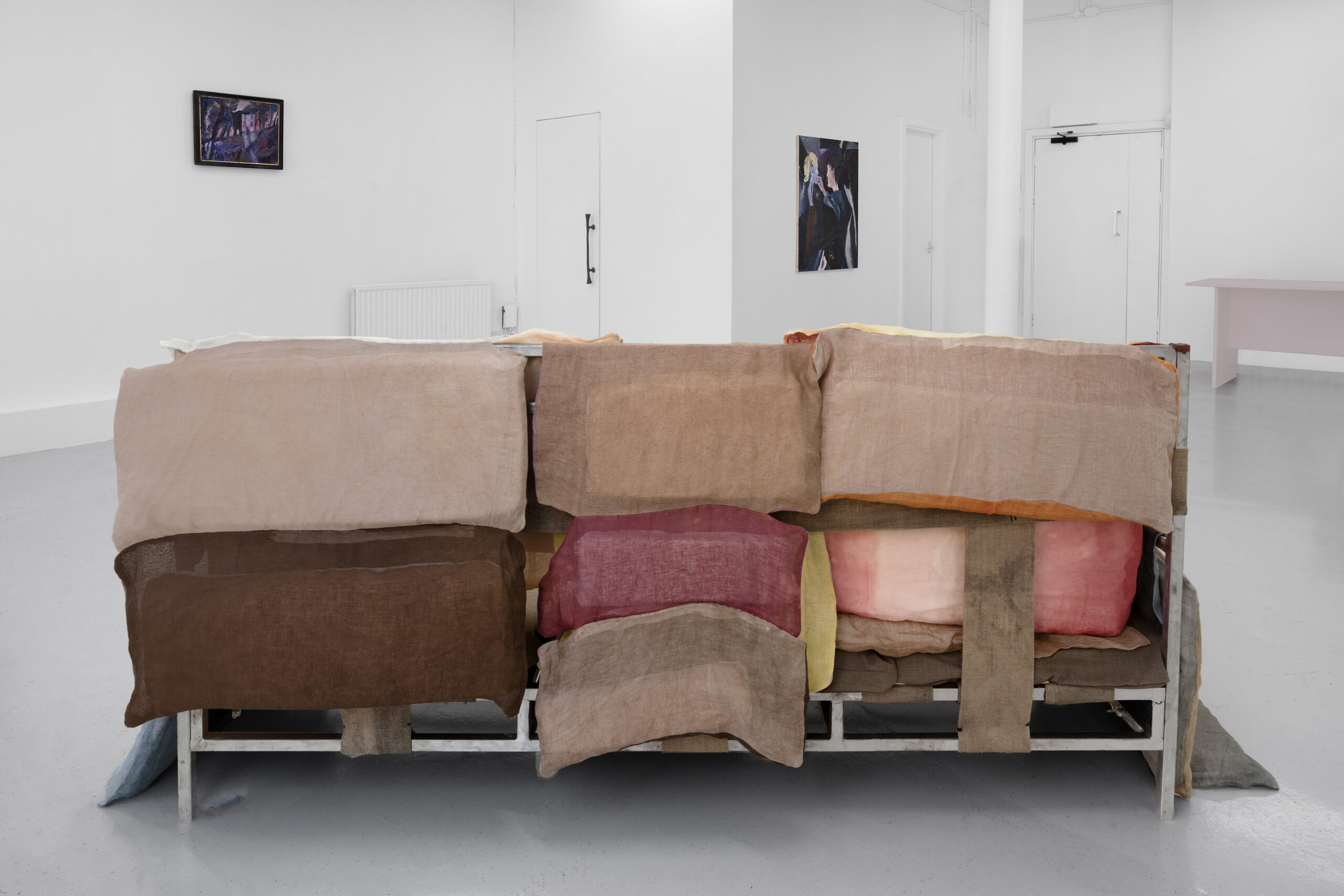
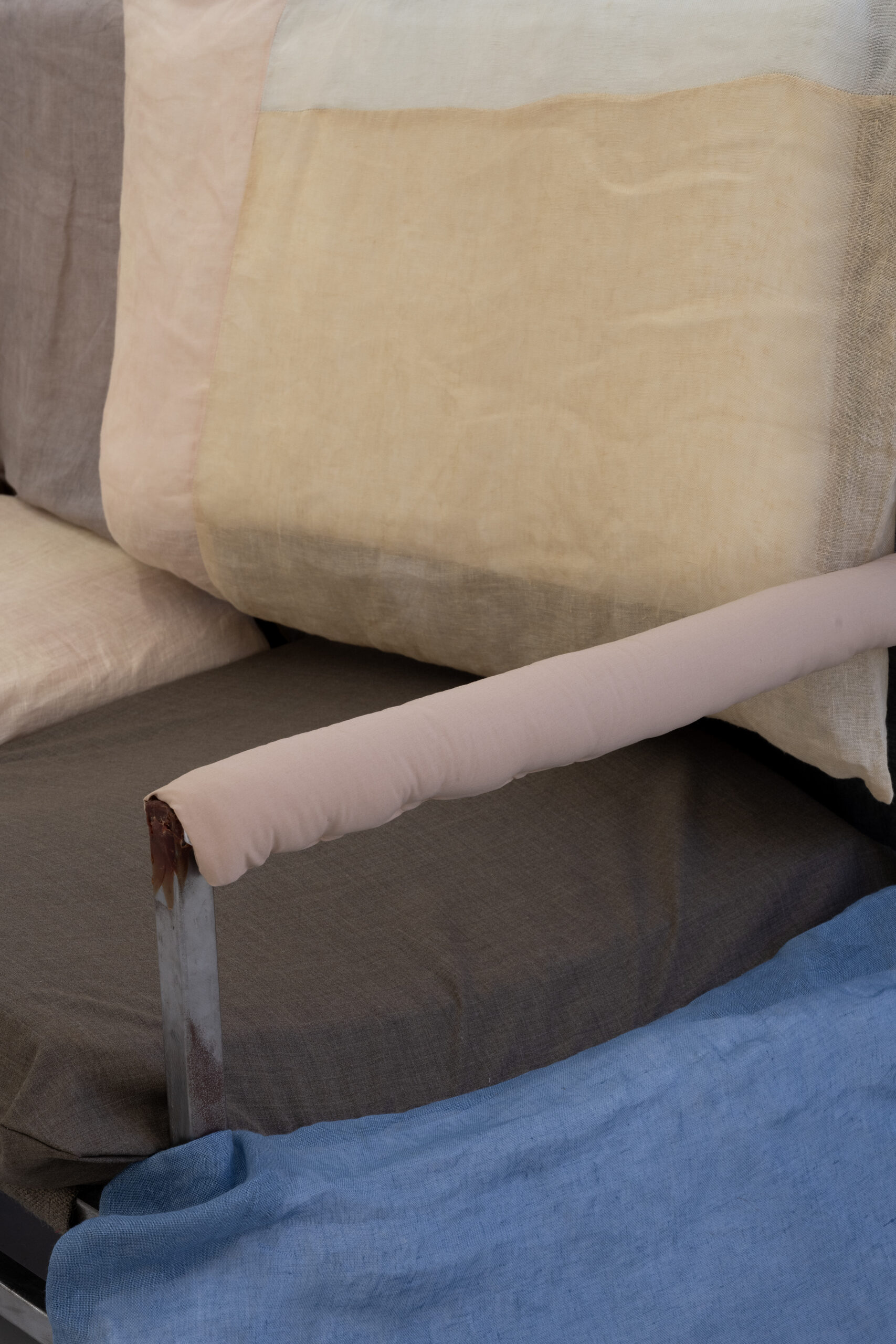
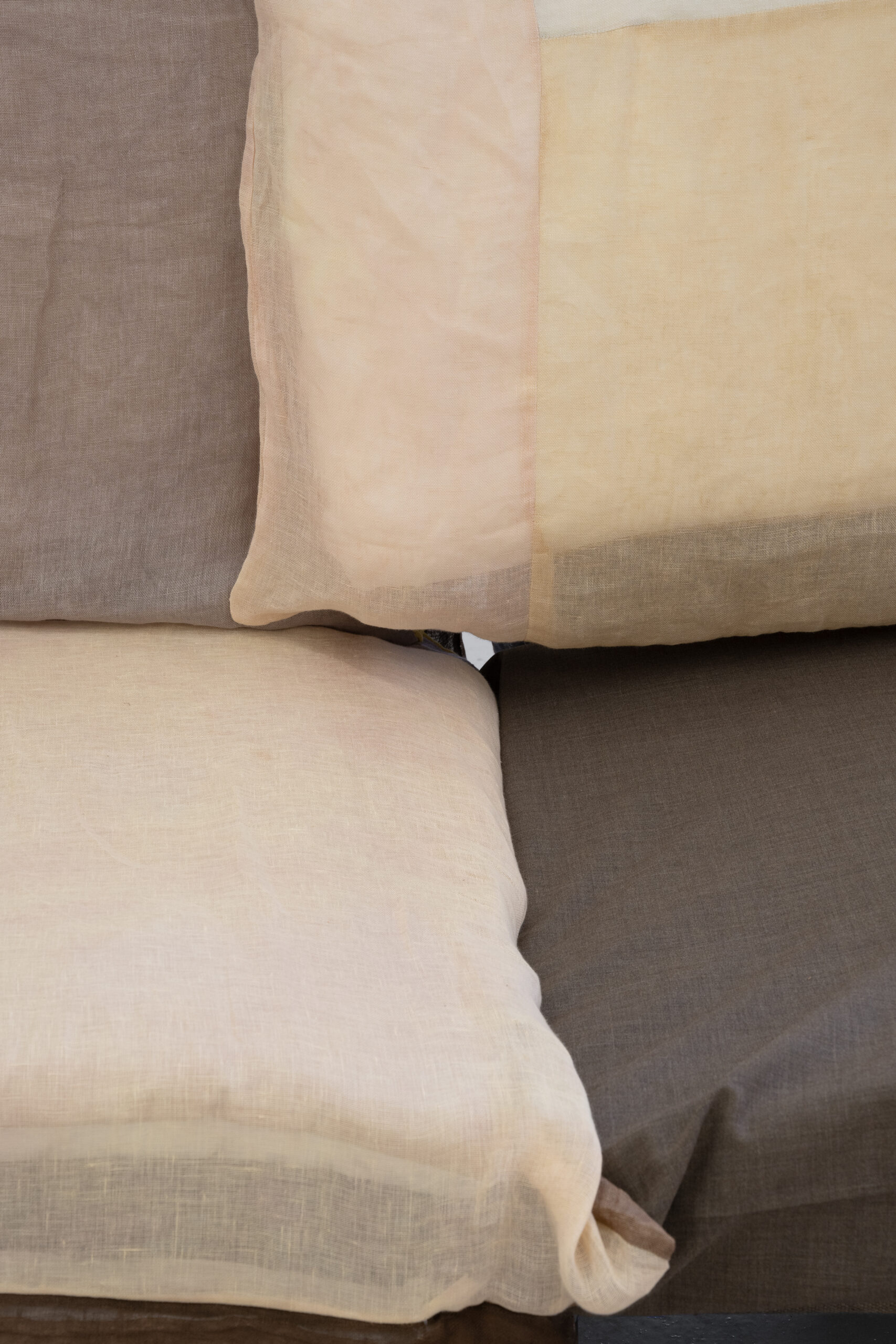
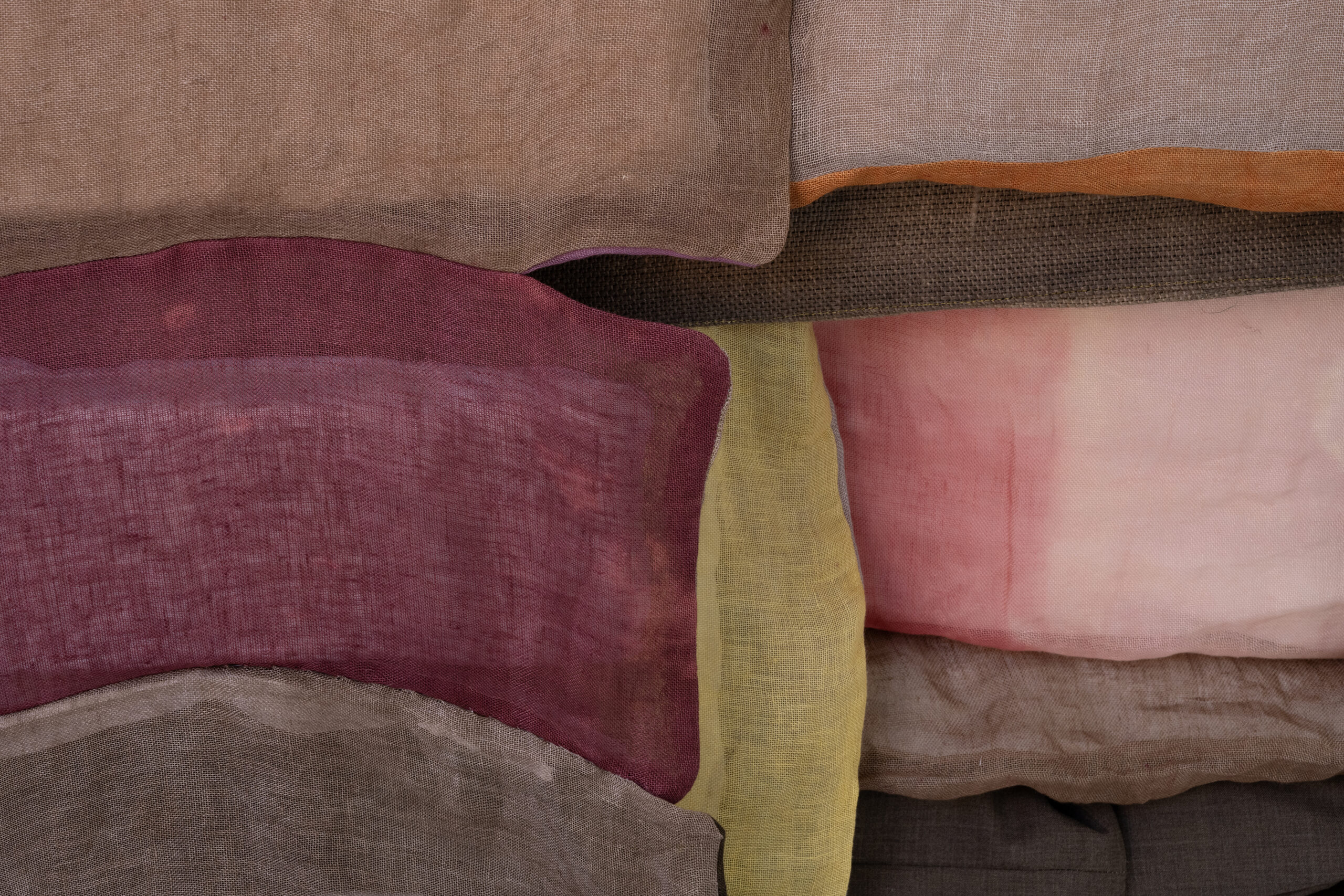
Iwo Panasiewicz, Jan Eustachy Wolski, Konrad Żukowski in collaboration with ML Poznanski
Untitled, 2026
steel, foam, linen, beeswax
93 x 195 x 67 cm
36 5/8 x 76 3/4 x 26 3/8 in
SOF001
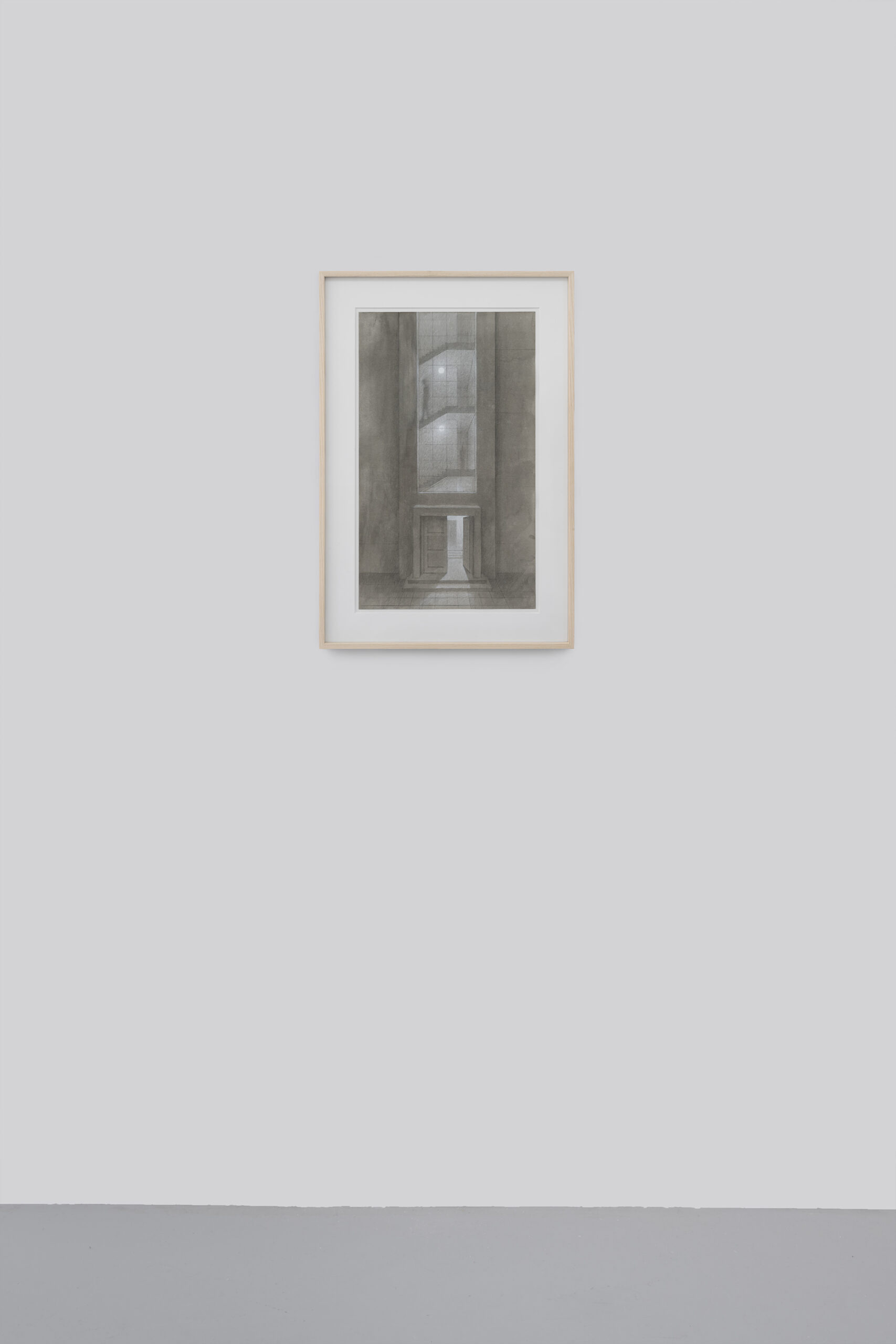
Iwo Panasiewicz
Untitled (stairs), 2026
ink, pencil, white chalk and gouache on paper
drawing: 55 x 33 cm, 21 5/8 x 13 in
framed dimensions: 69 x 47 cm, 27 1/8 x 18 1/2 in
IP001
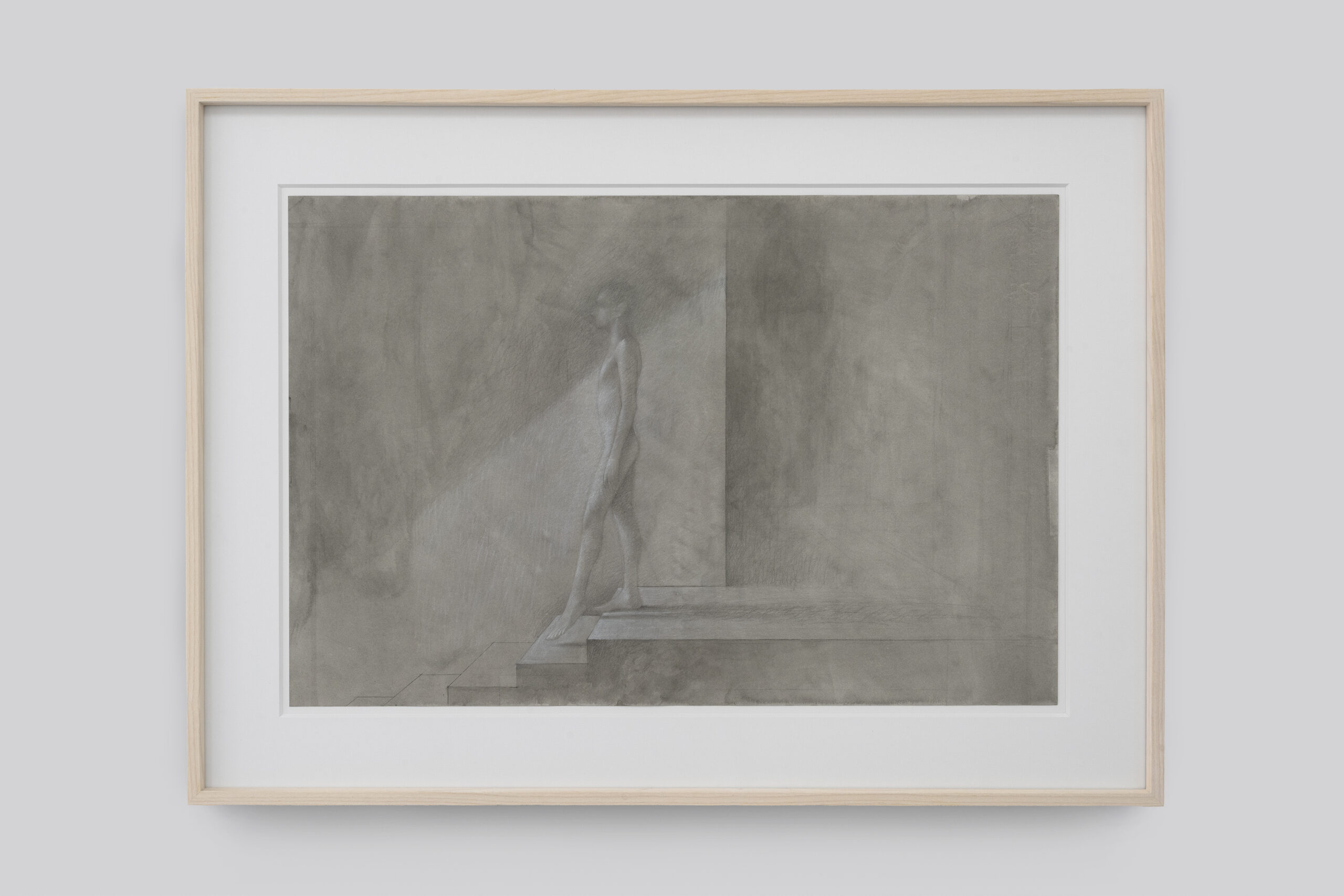
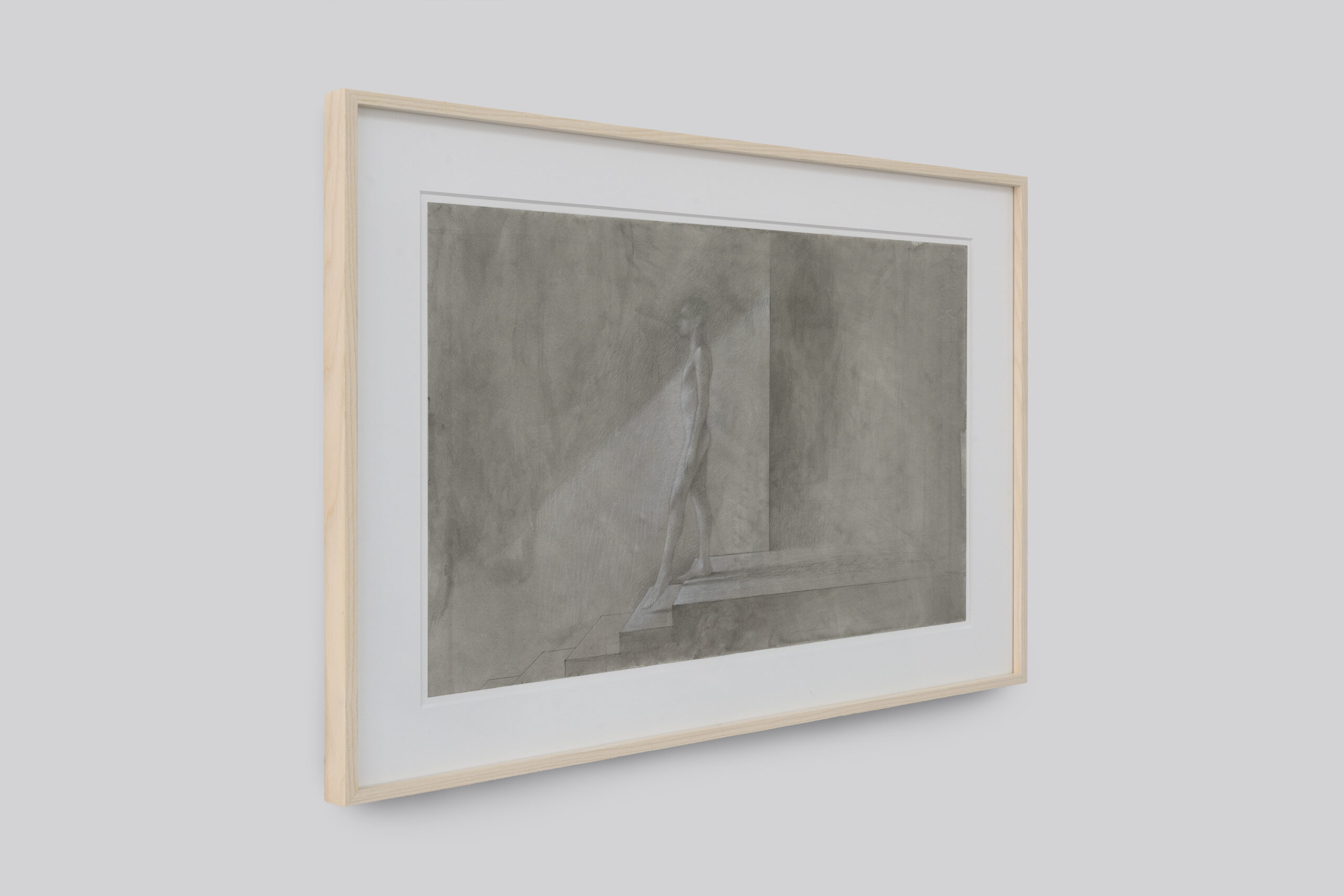
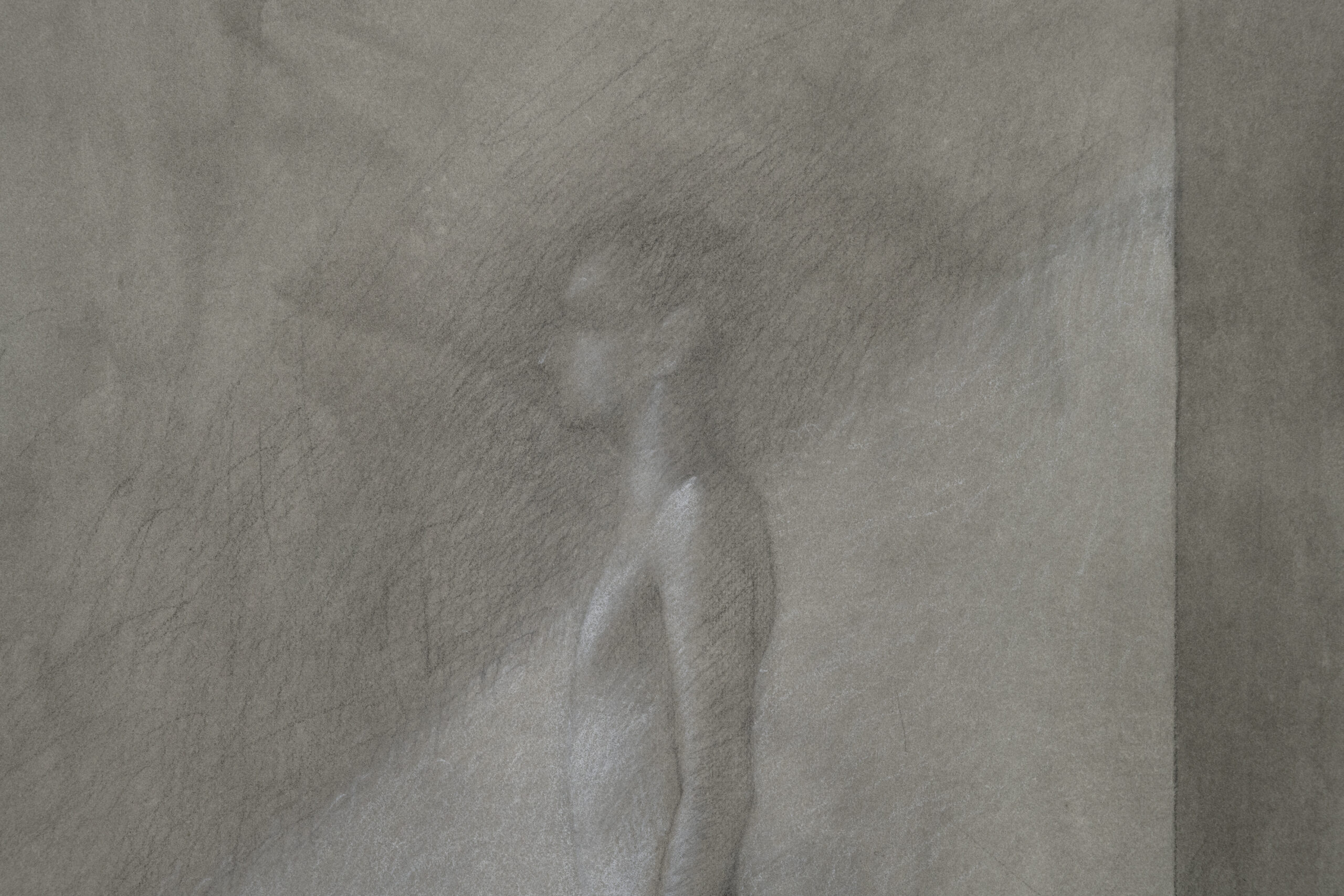
Iwo Panasiewicz
Untitled (stairs), 2026
ink, pencil, white chalk on paper
drawing: 37 x 56 cm, 14 5/8 x 22 in
framed dimensions: 51 x 70 cm, 20 1/8 x 27 1/2 in
IP002
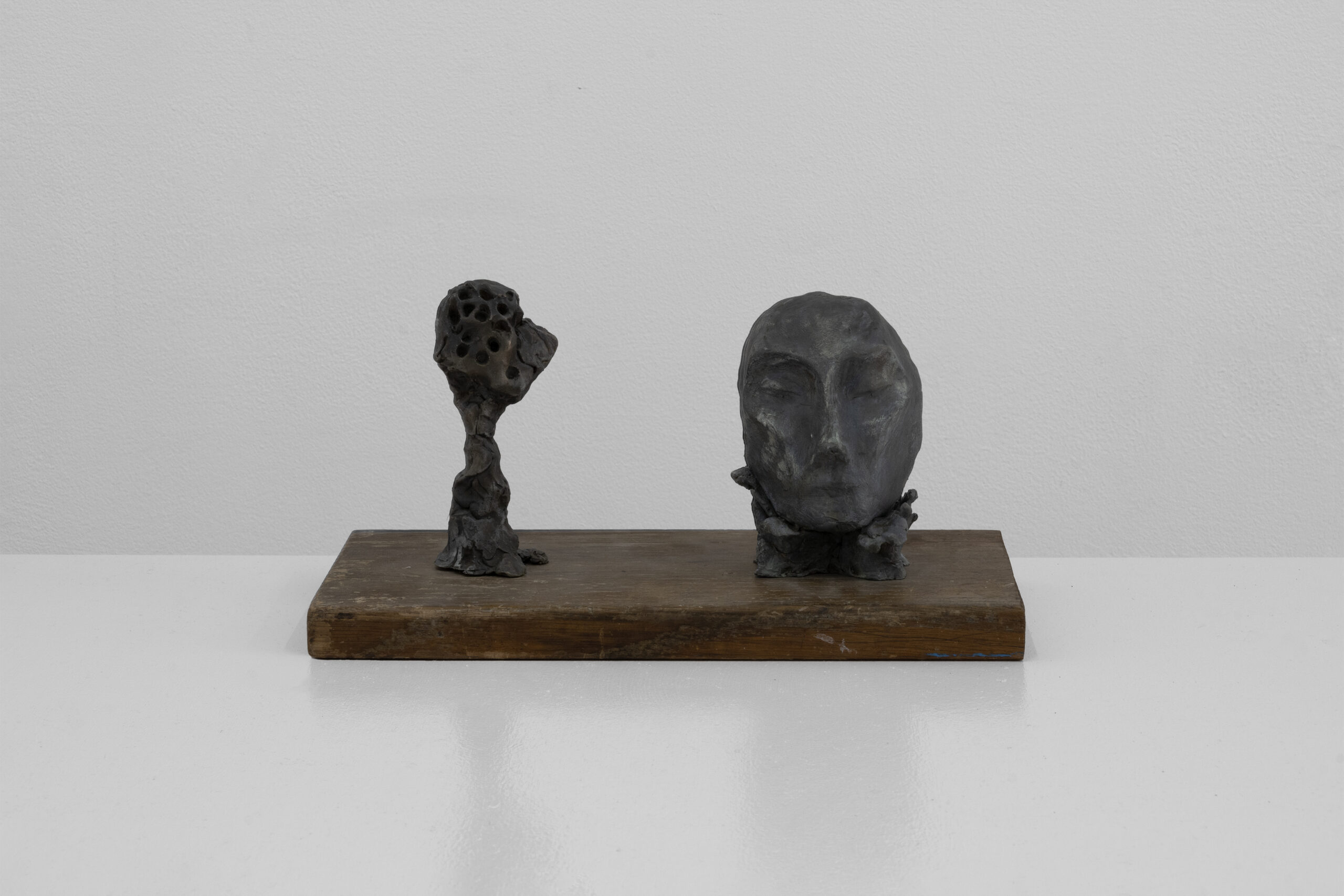
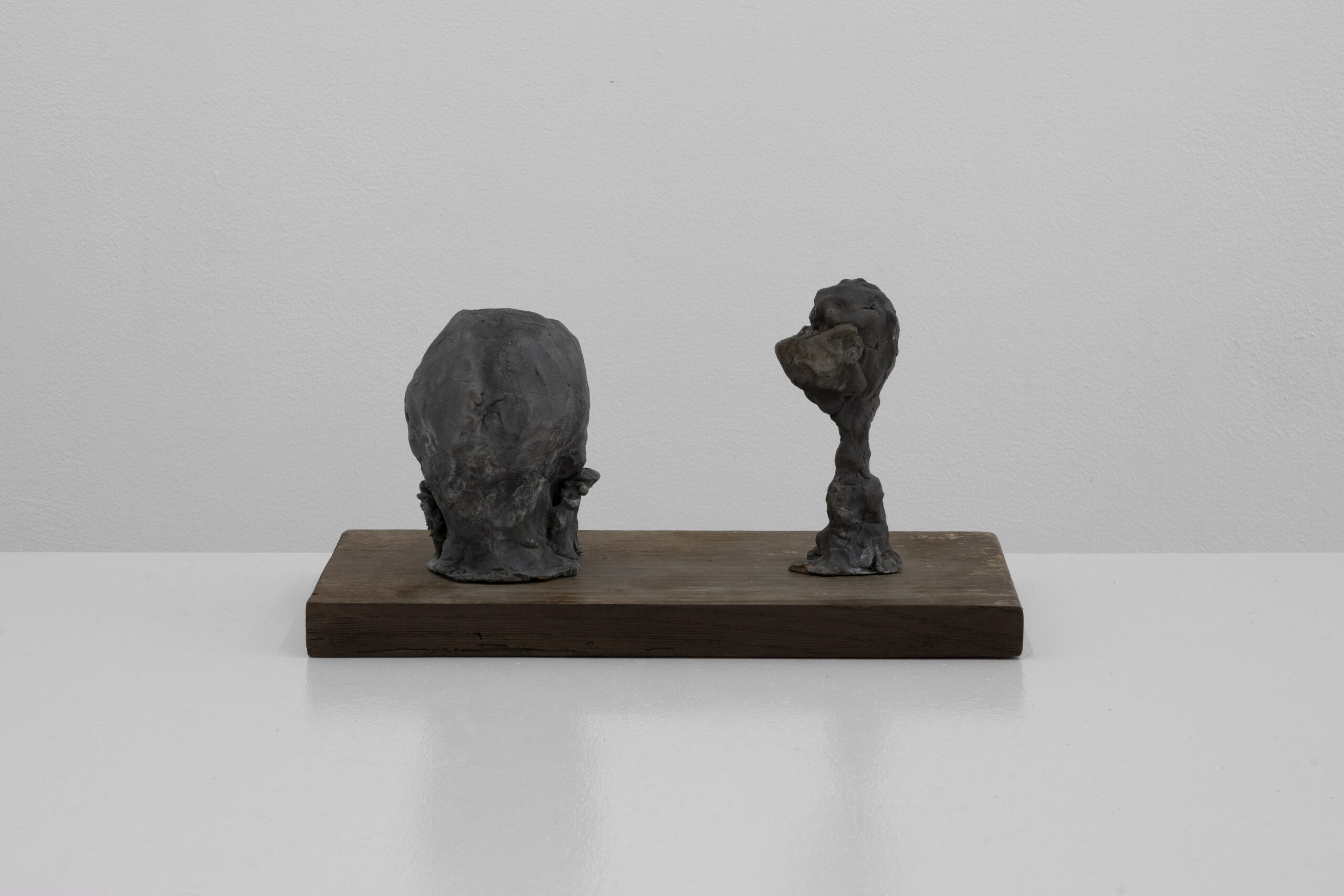
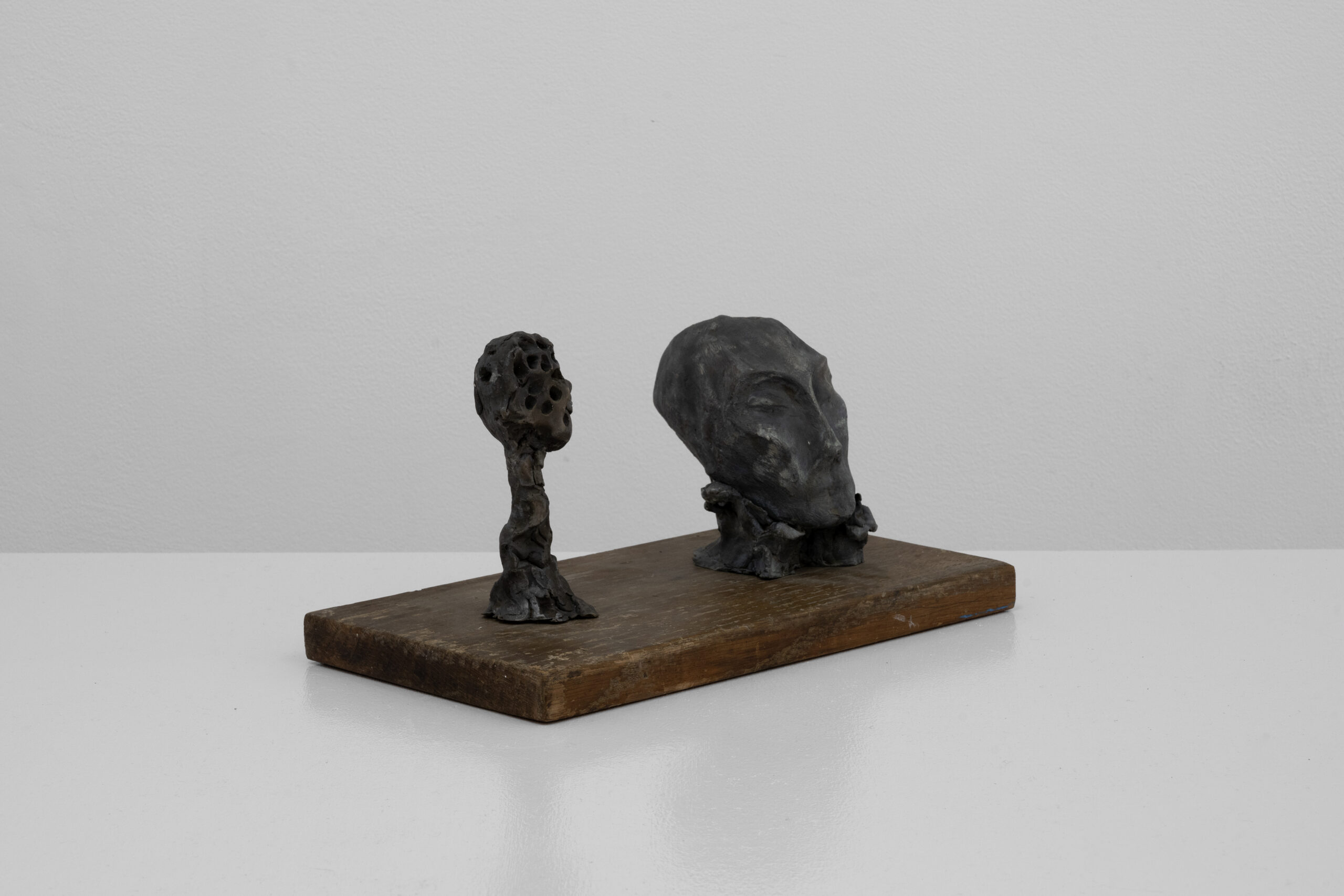
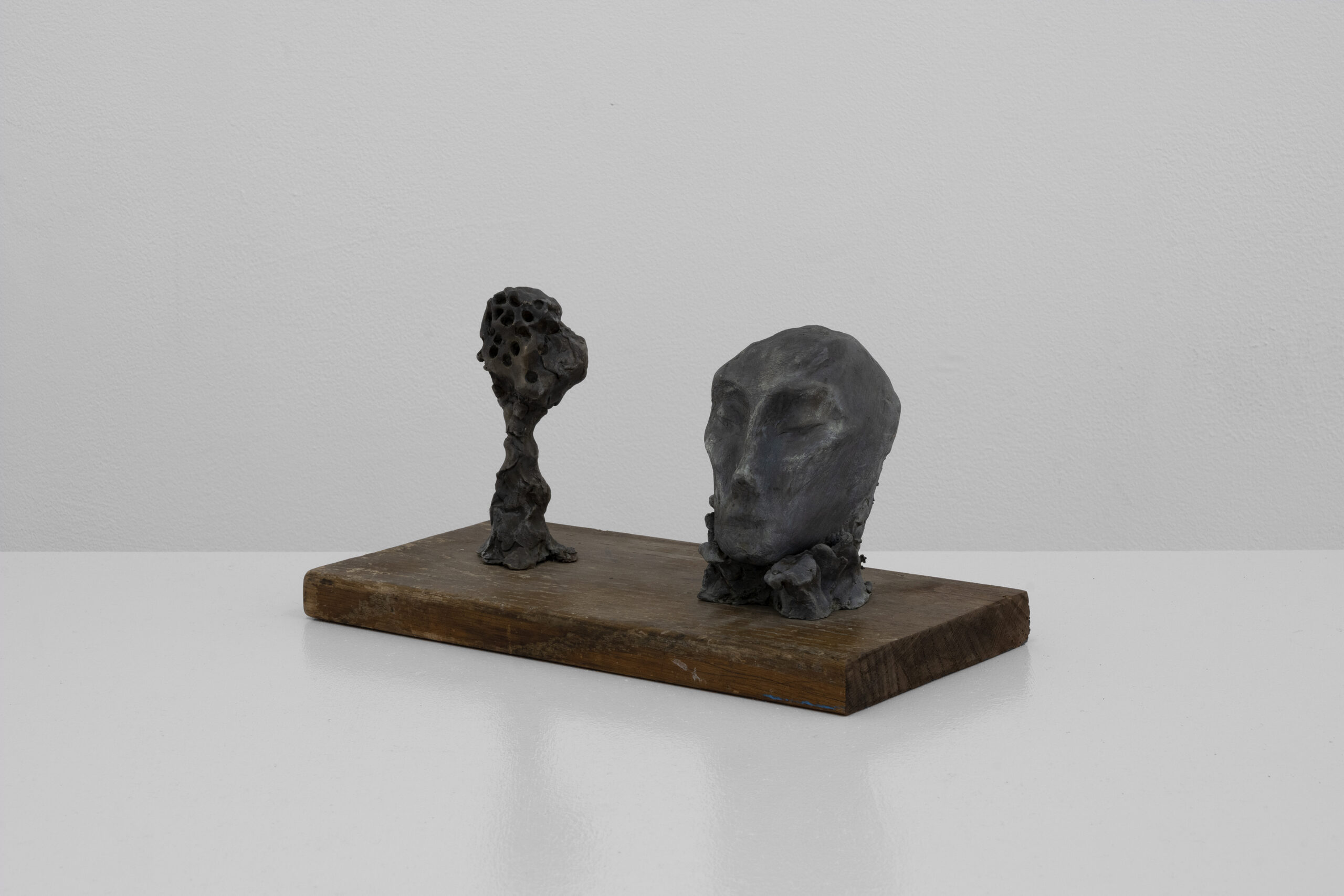
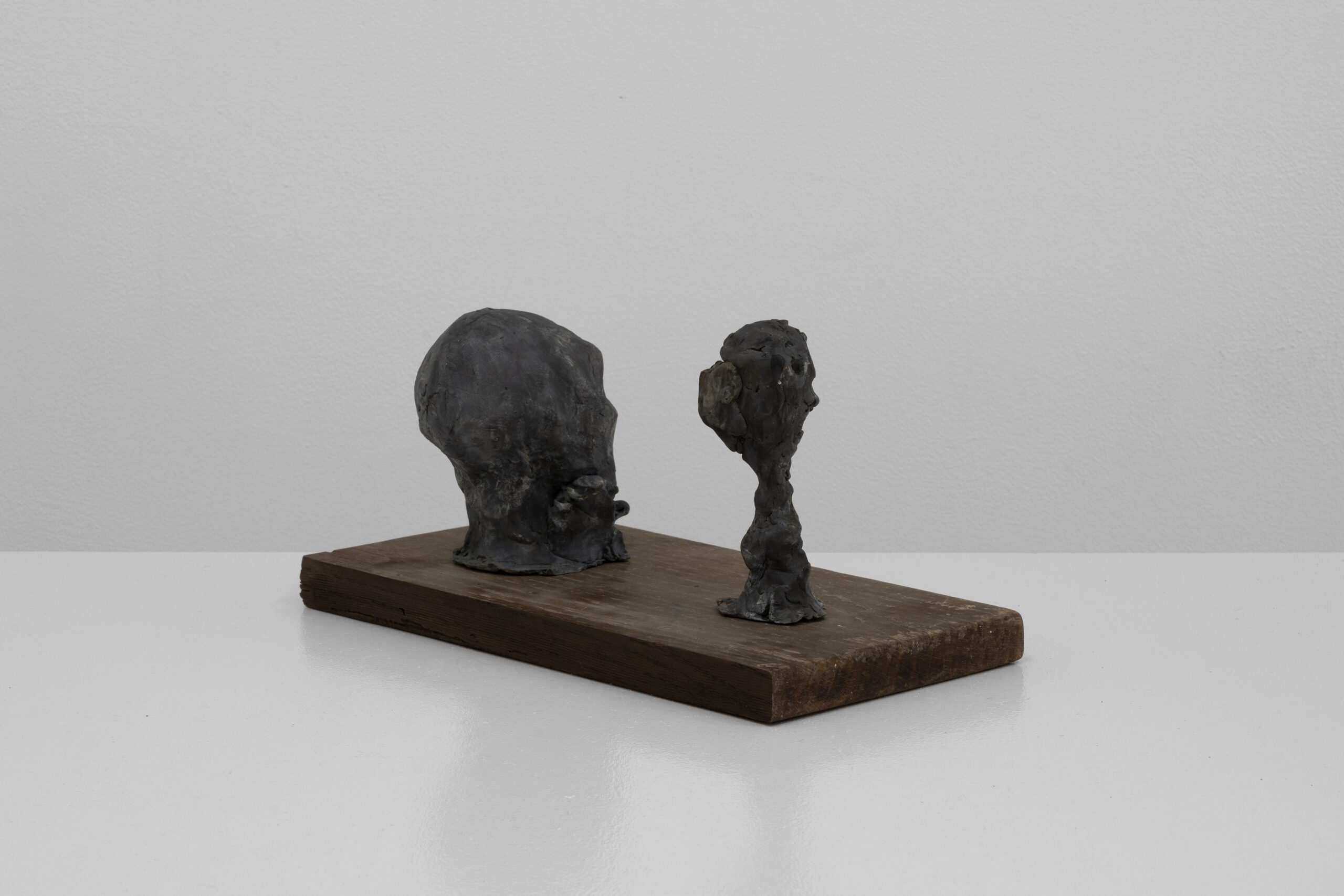
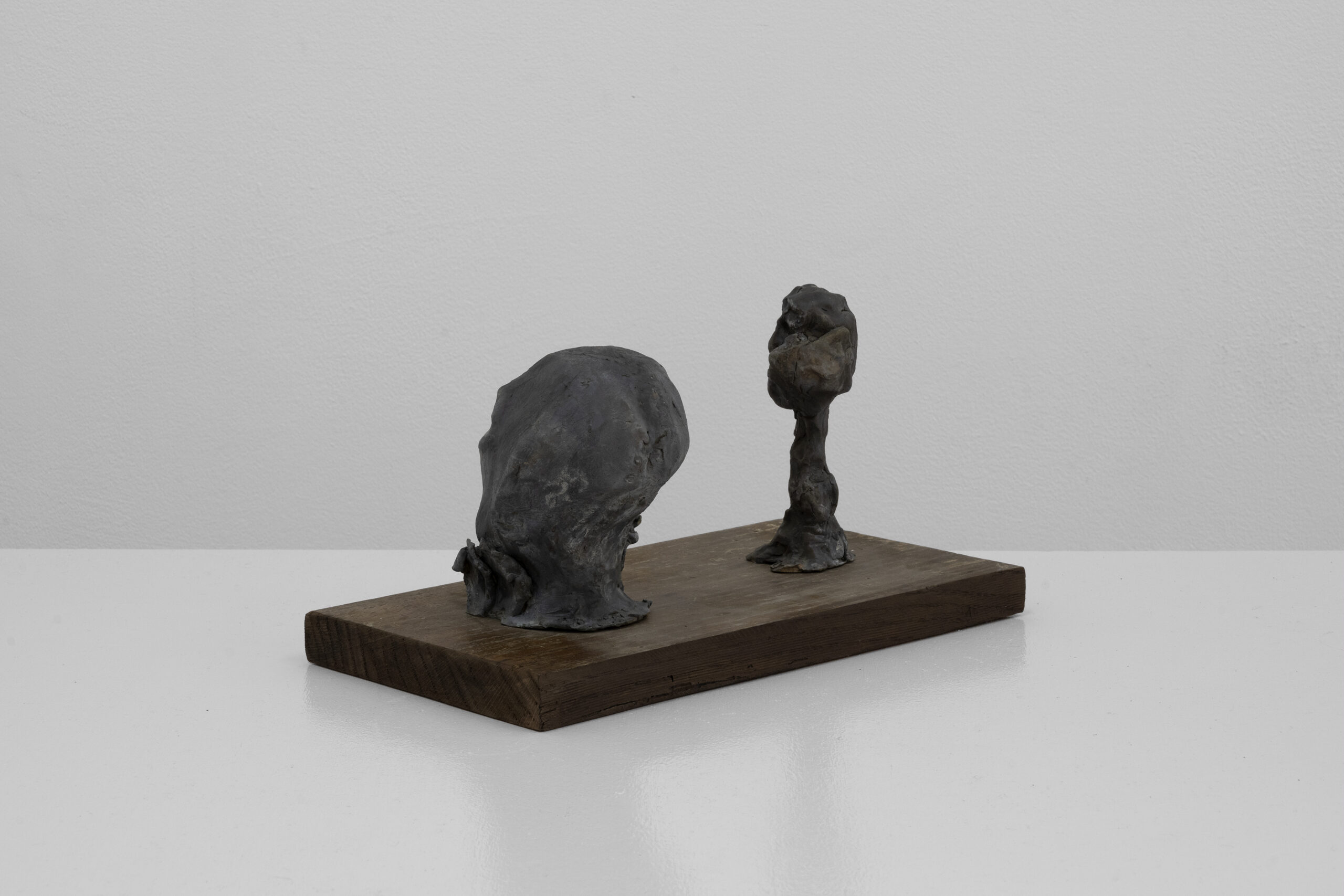
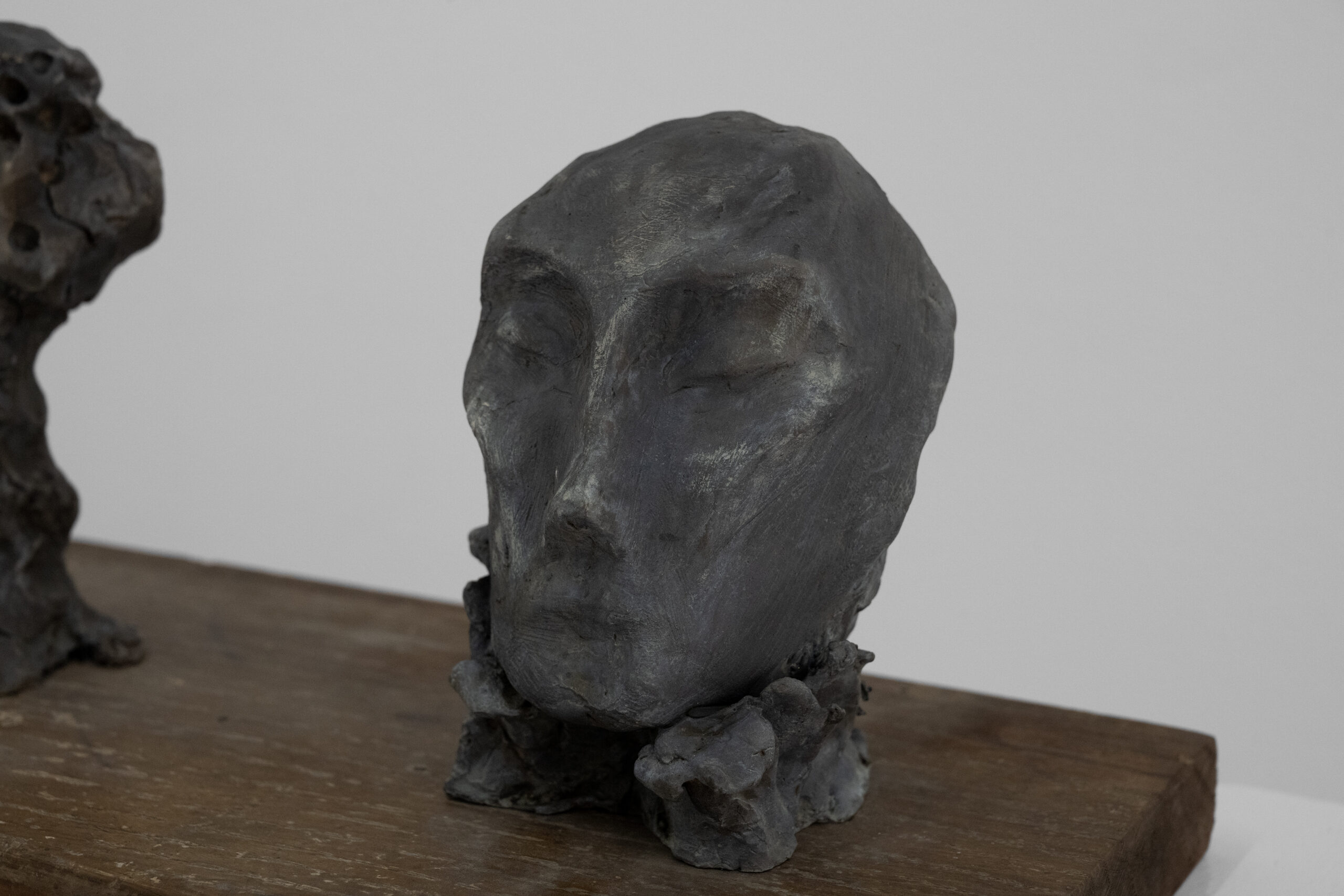
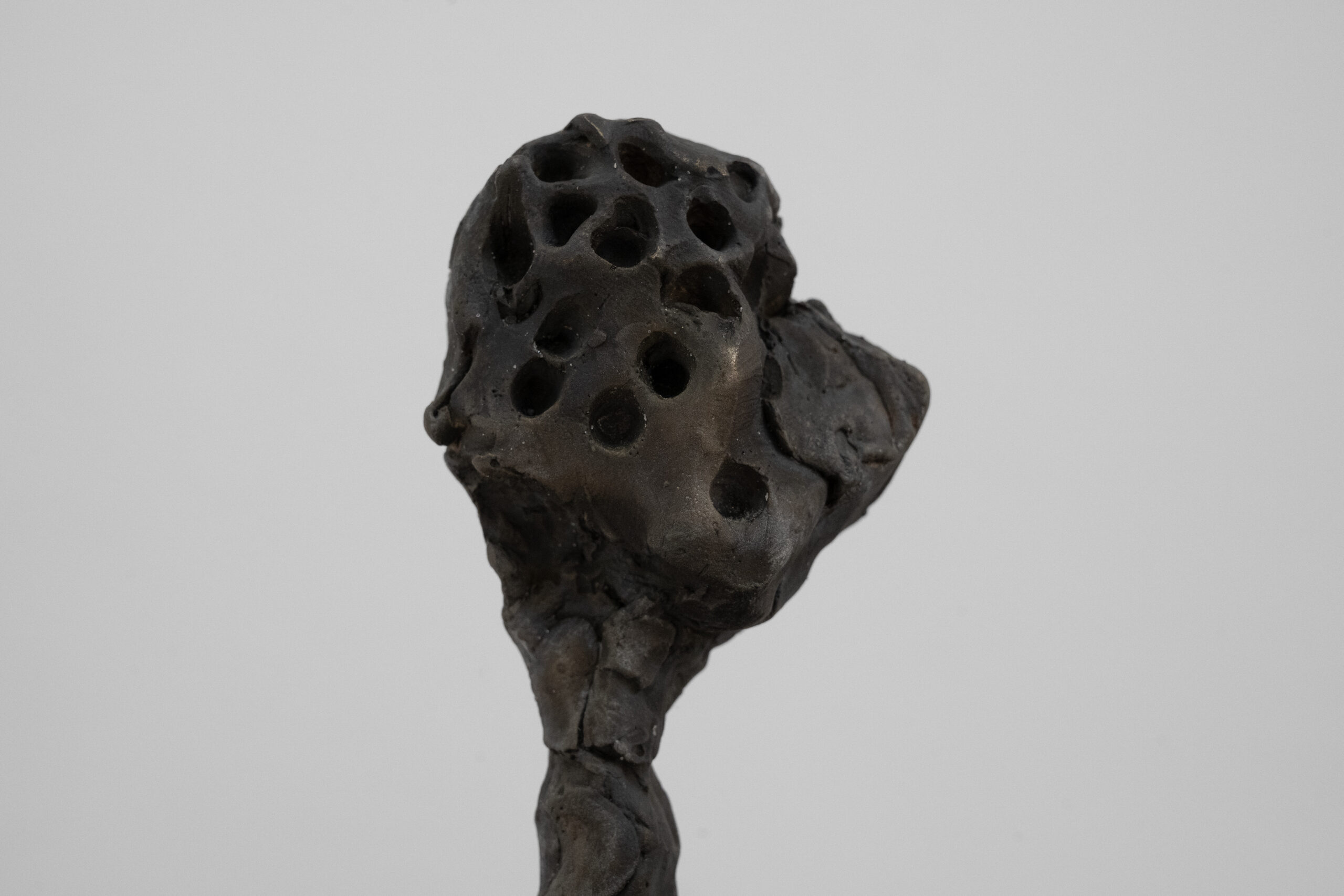
Jan Eustachy Wolski
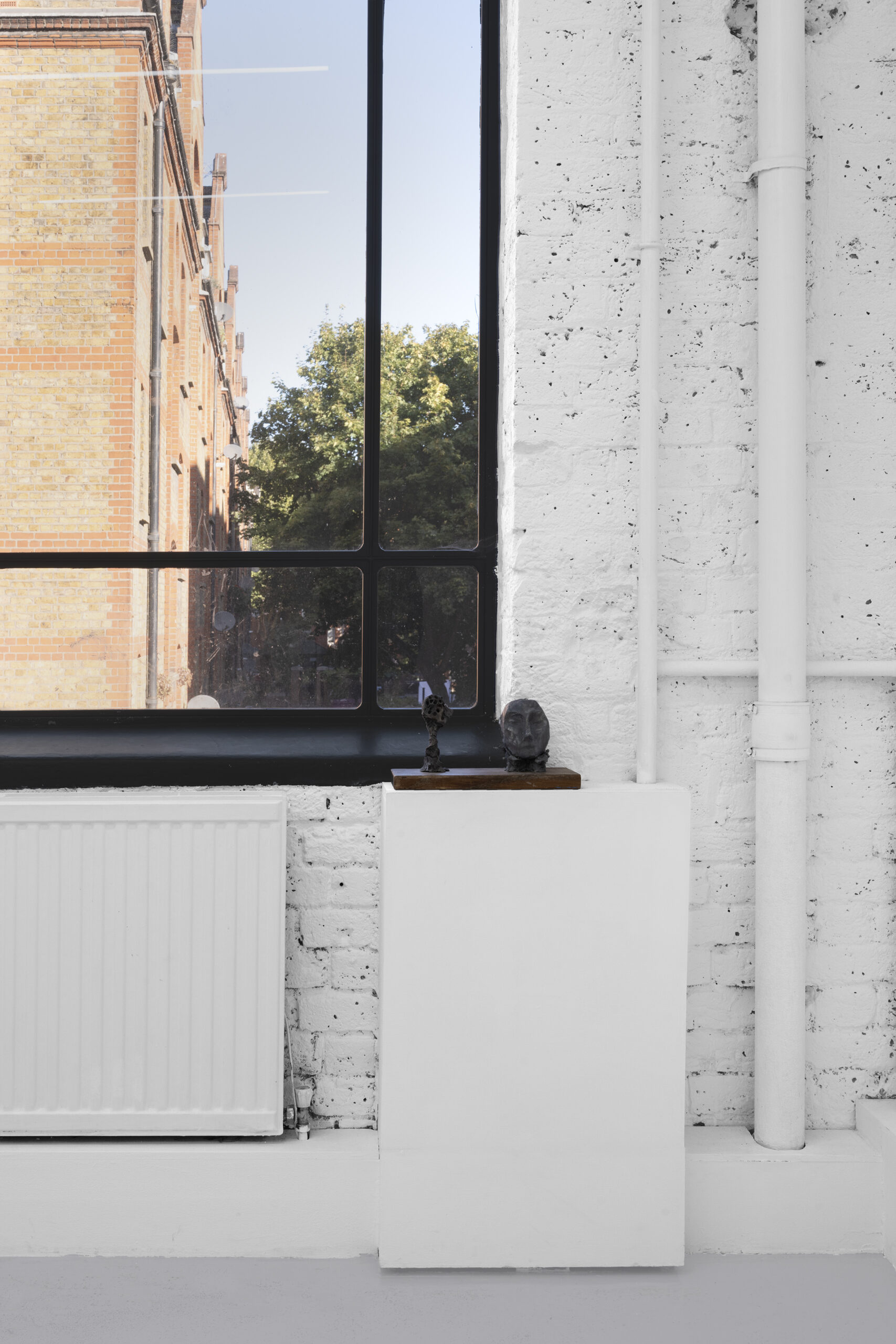
Untitled, 2026
bronze, wood
17 x 32 x 17 cm
6 3/4 x 12 5/8 x 6 3/4 in
Edition of 1 plus 1 AP
JEW004
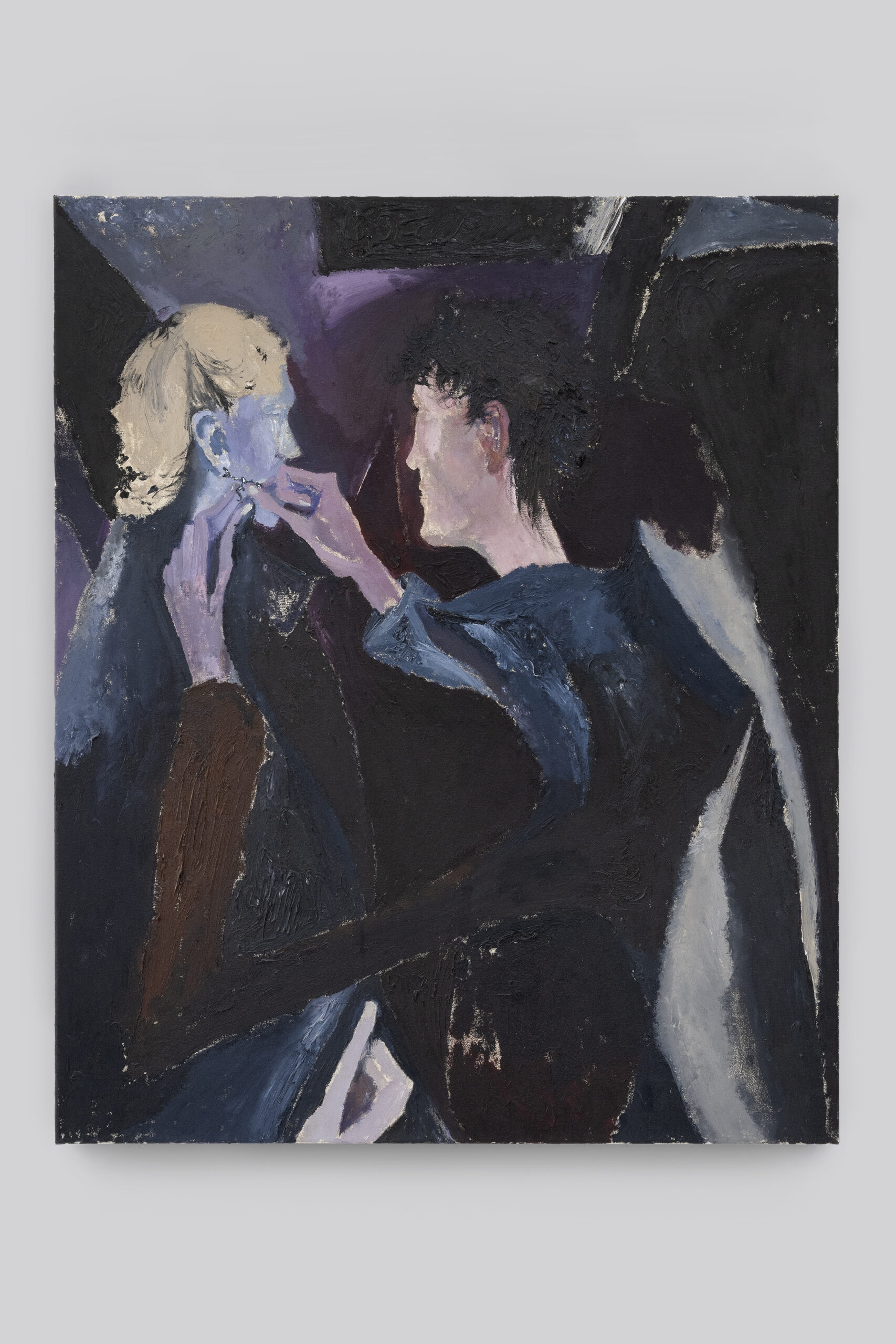
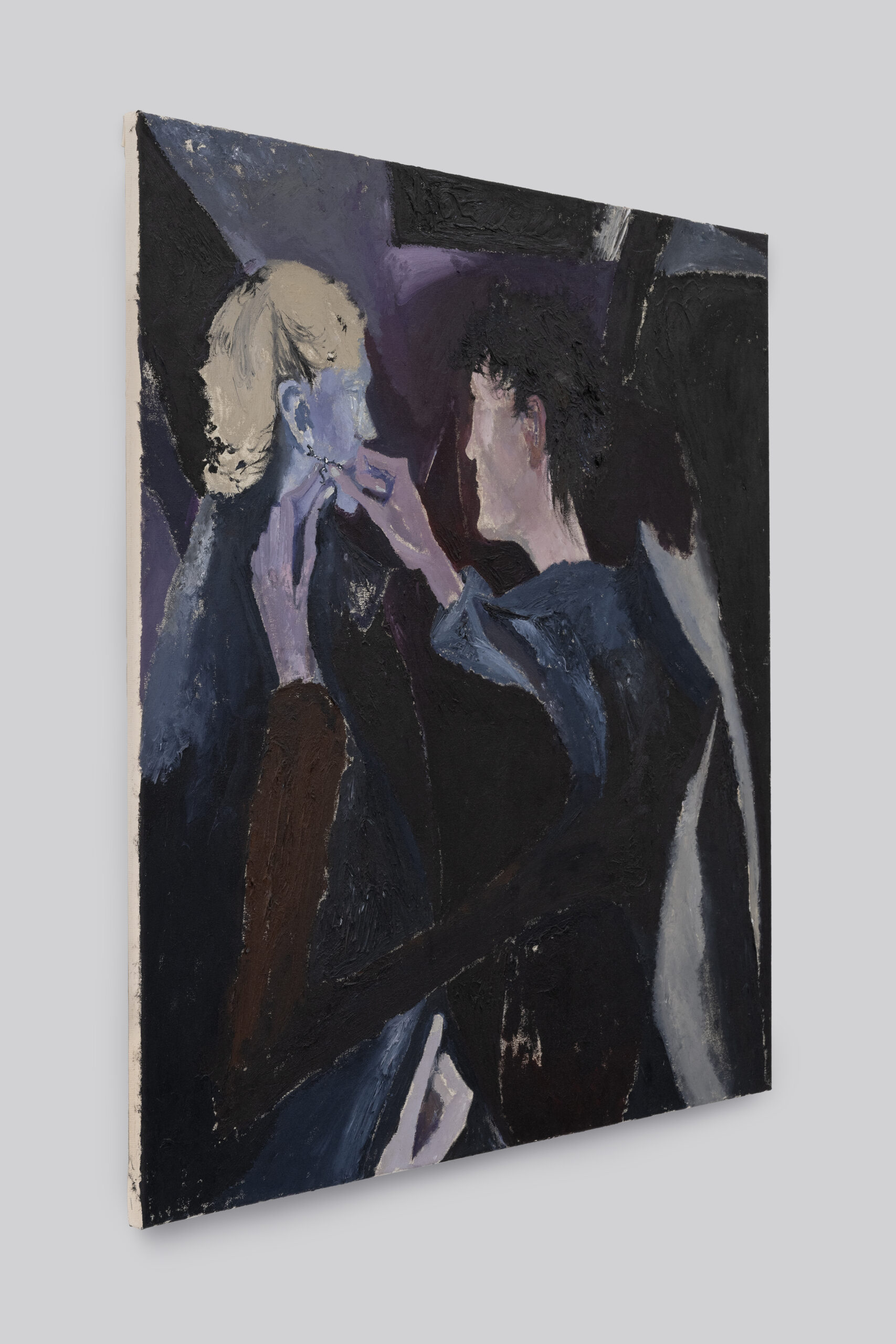
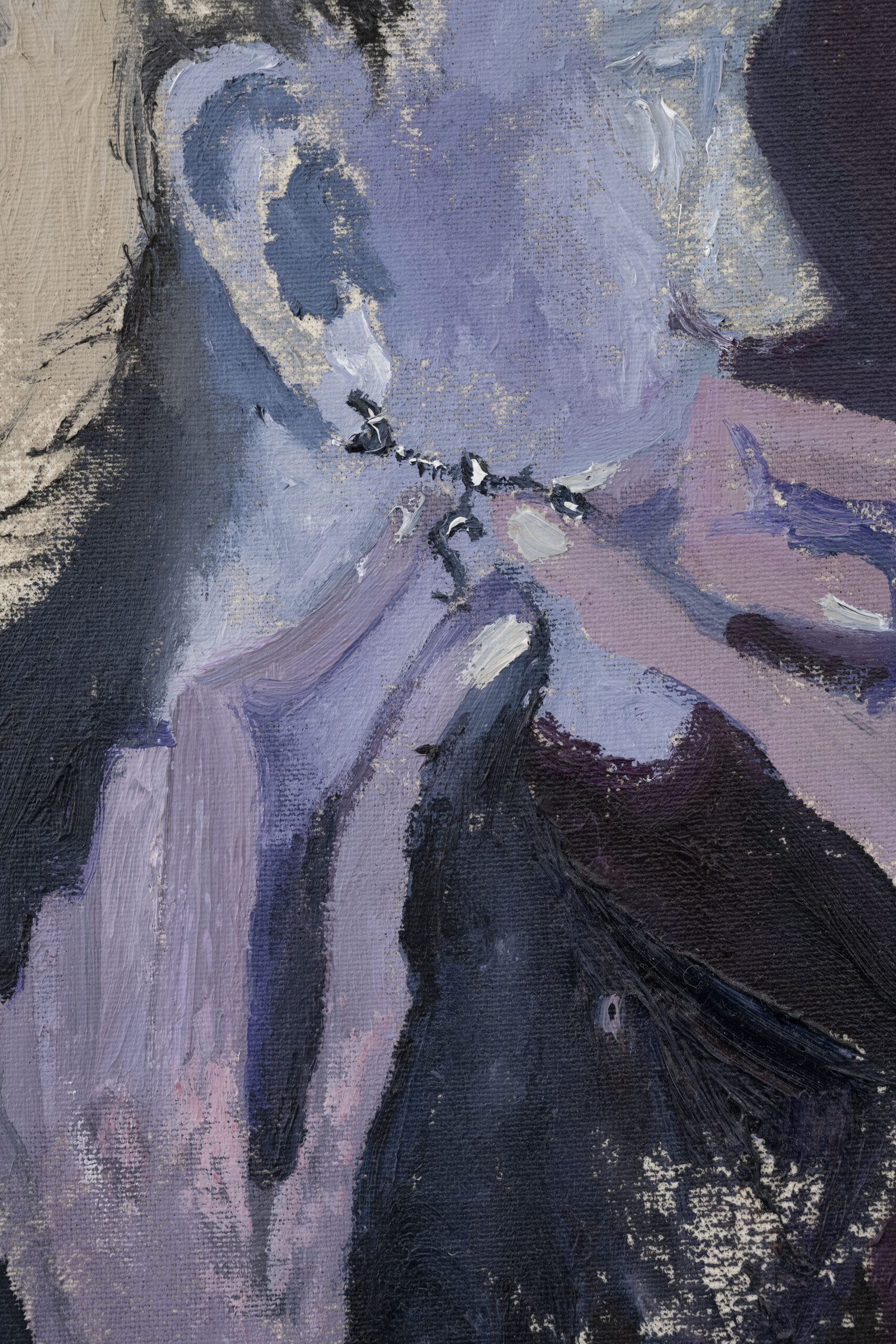
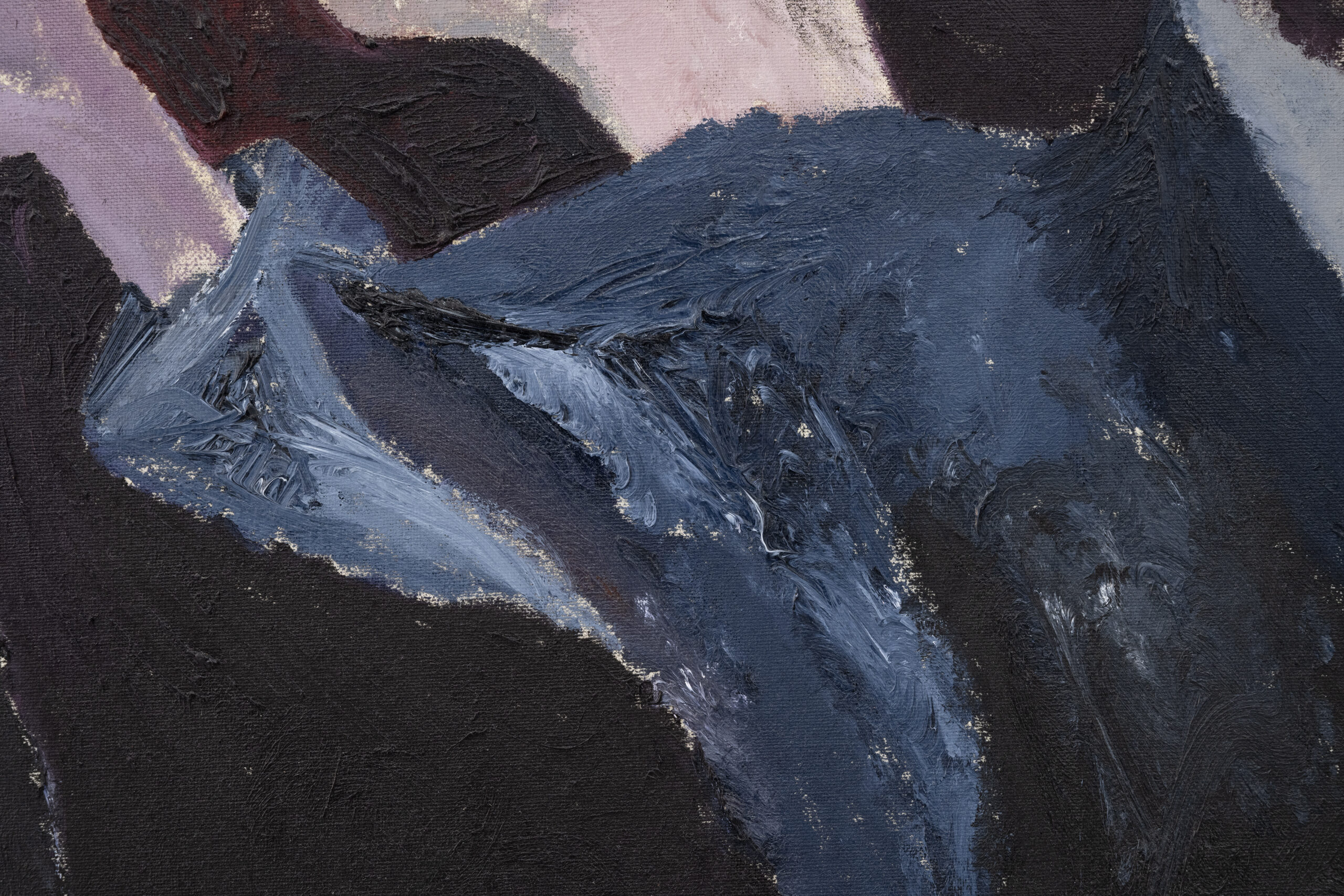
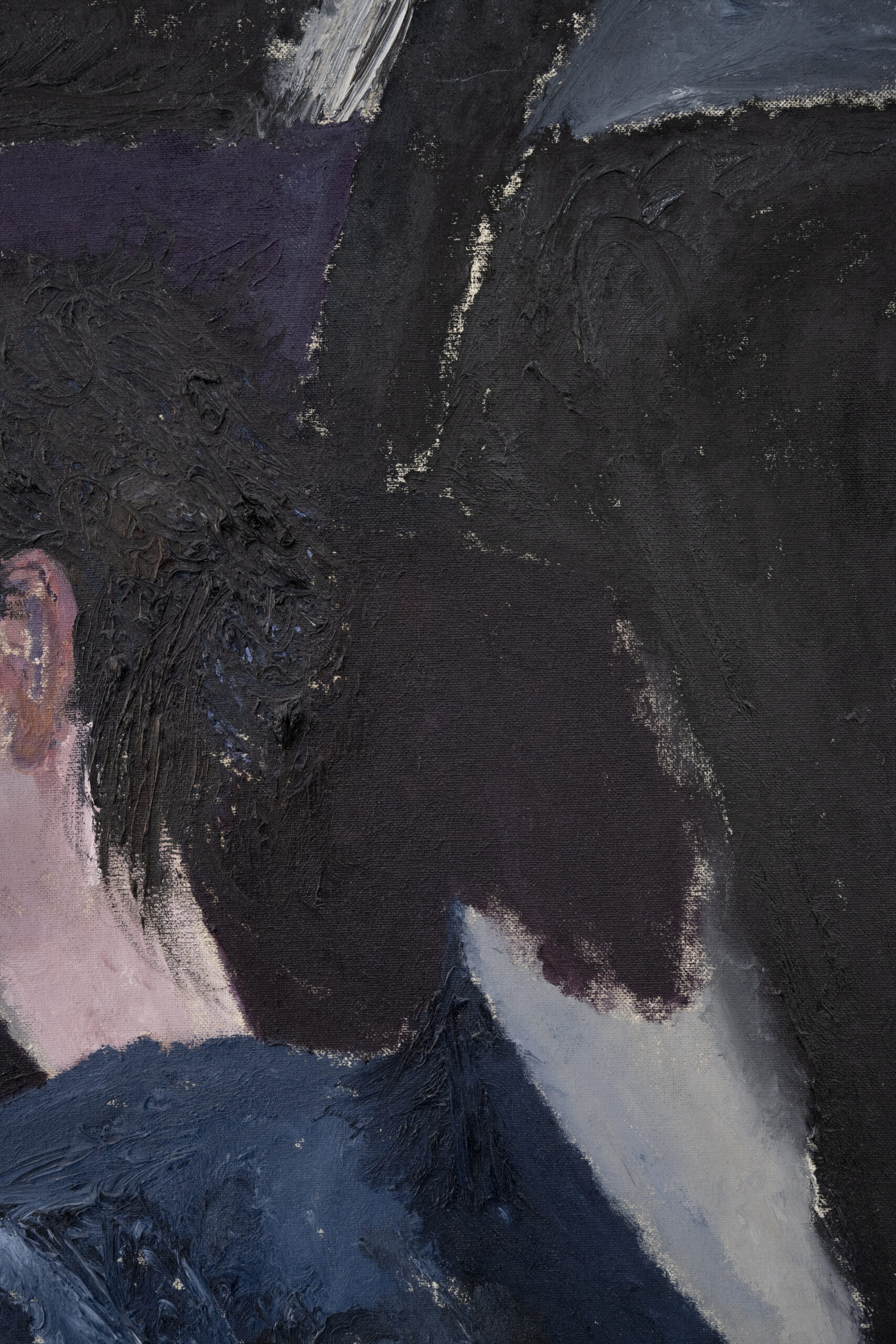
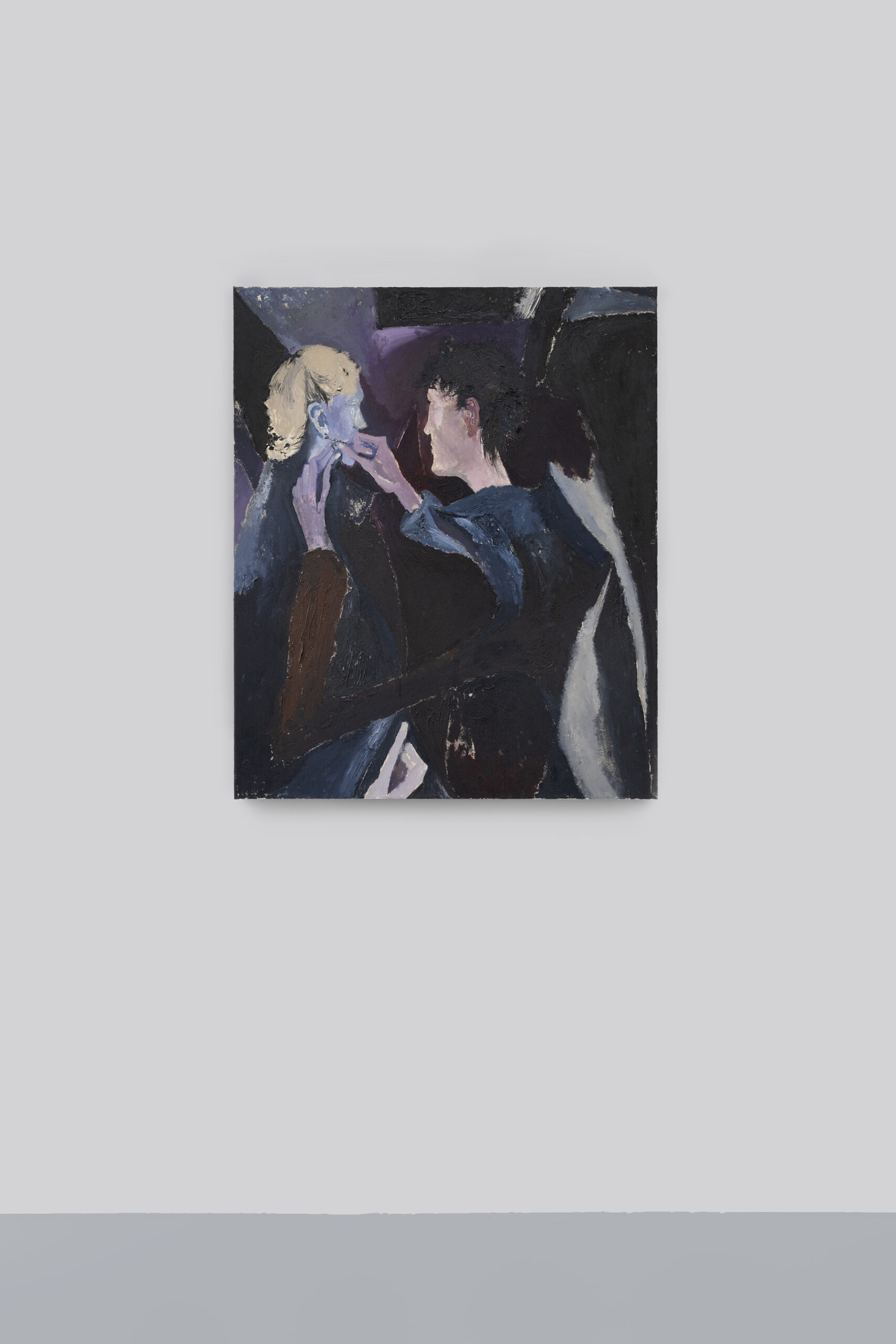
Konrad Żukowski
Putting on an Earring, 2024
oil on canvas
97 x 80 cm
38 1/4 x 31 1/2 in
KZ0007
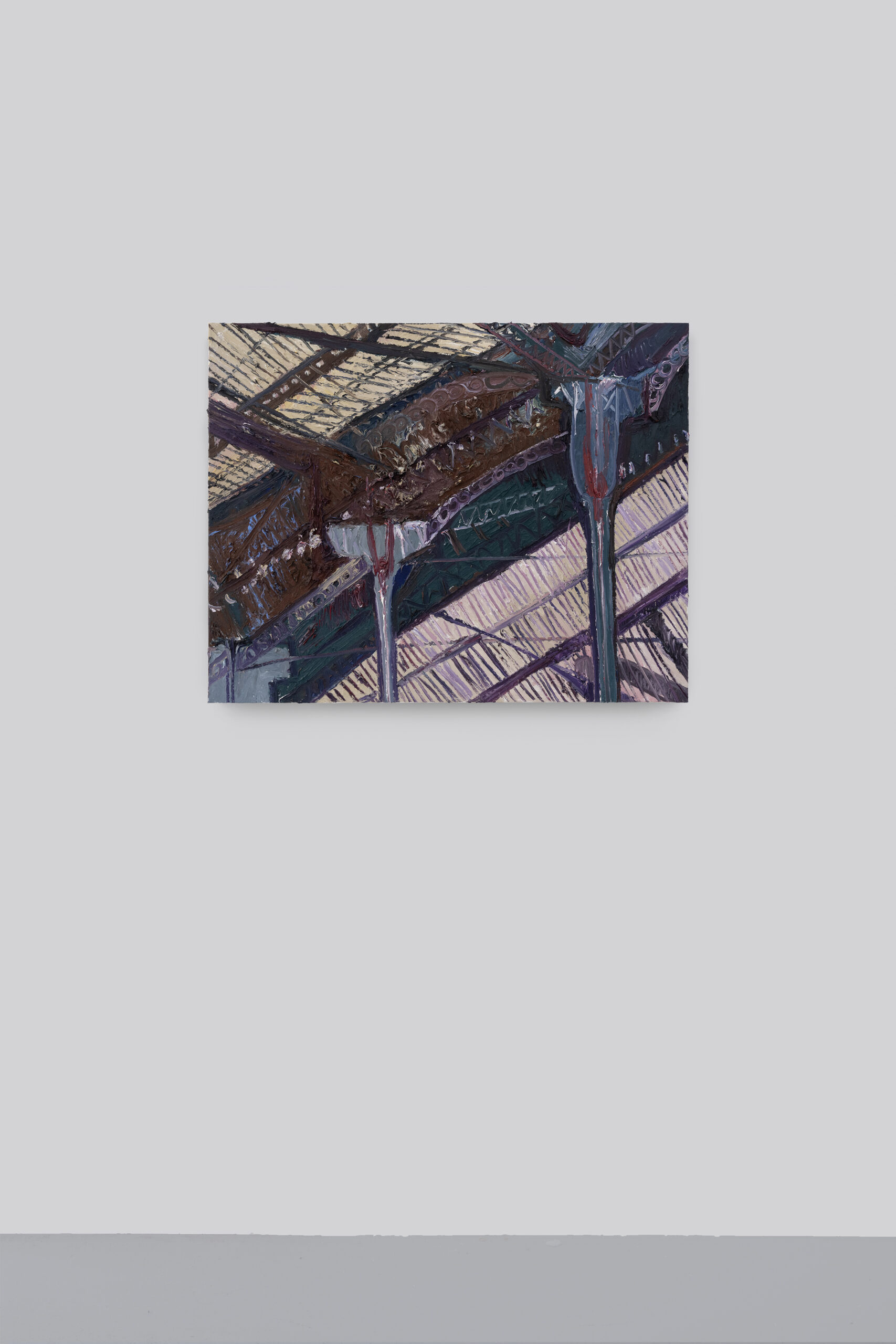
Konrad Żukowski
Train Station Roof
oil on canvas
73 x 92 cm
28 3/4 x 36 1/4 in
KZ0006
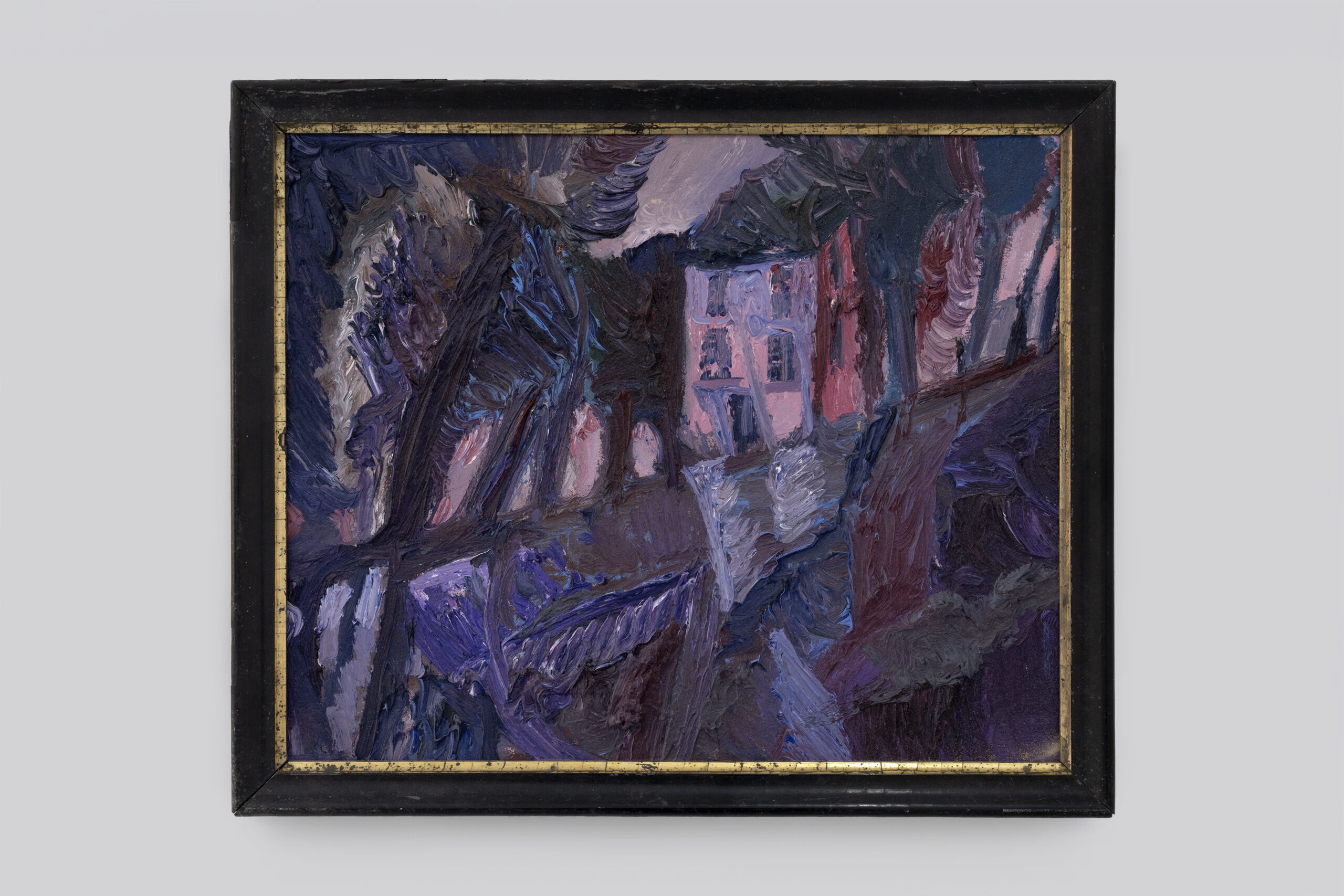
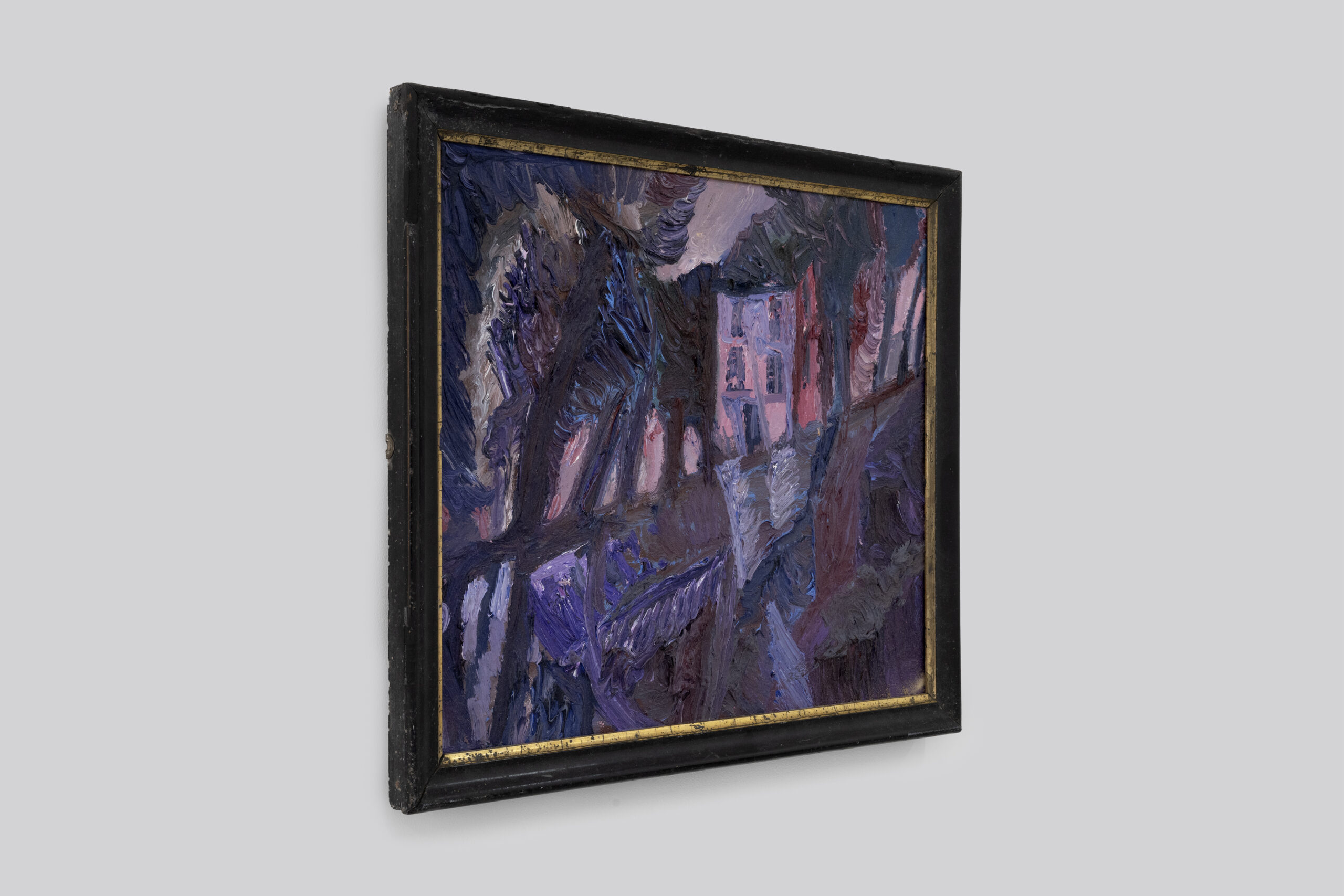
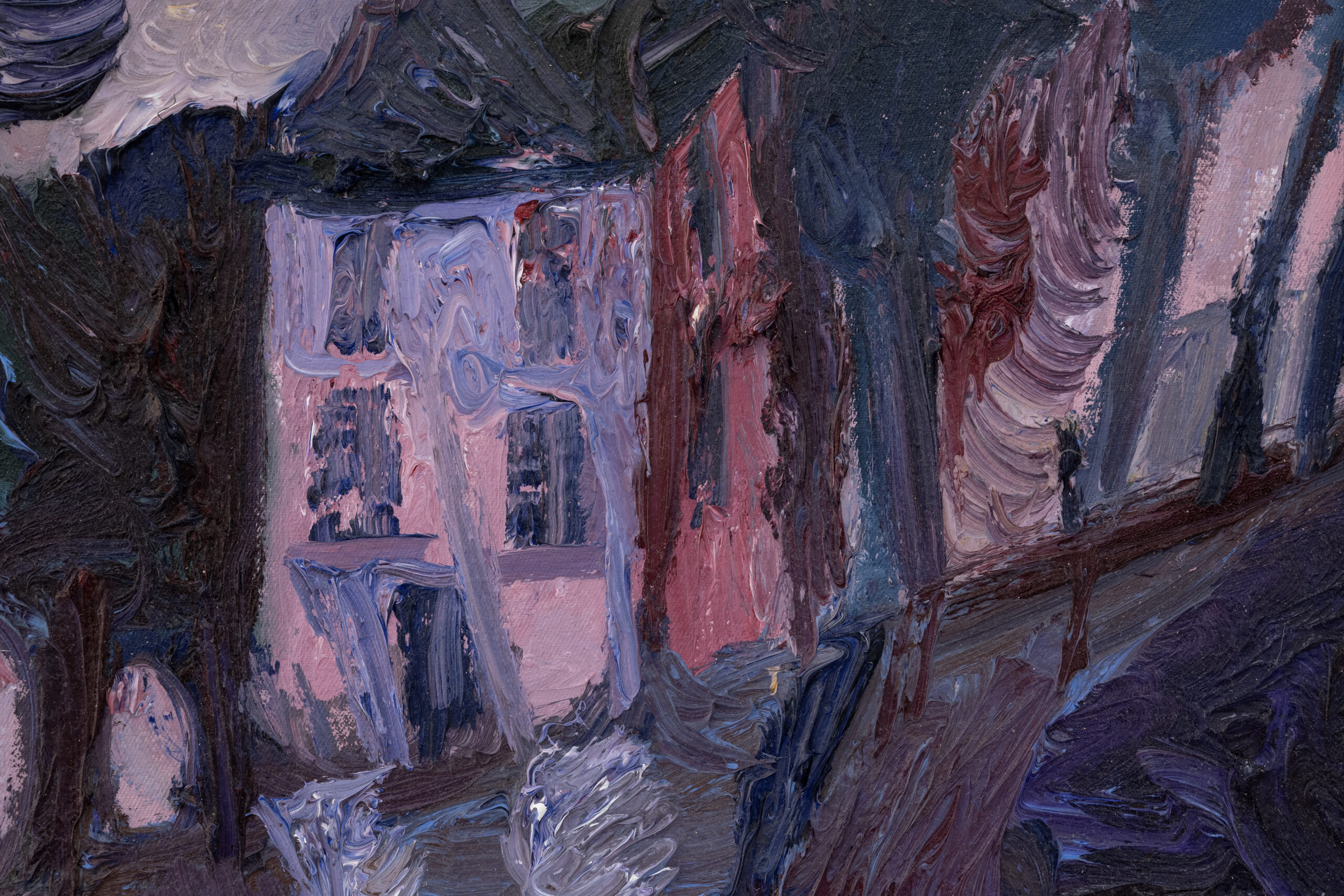
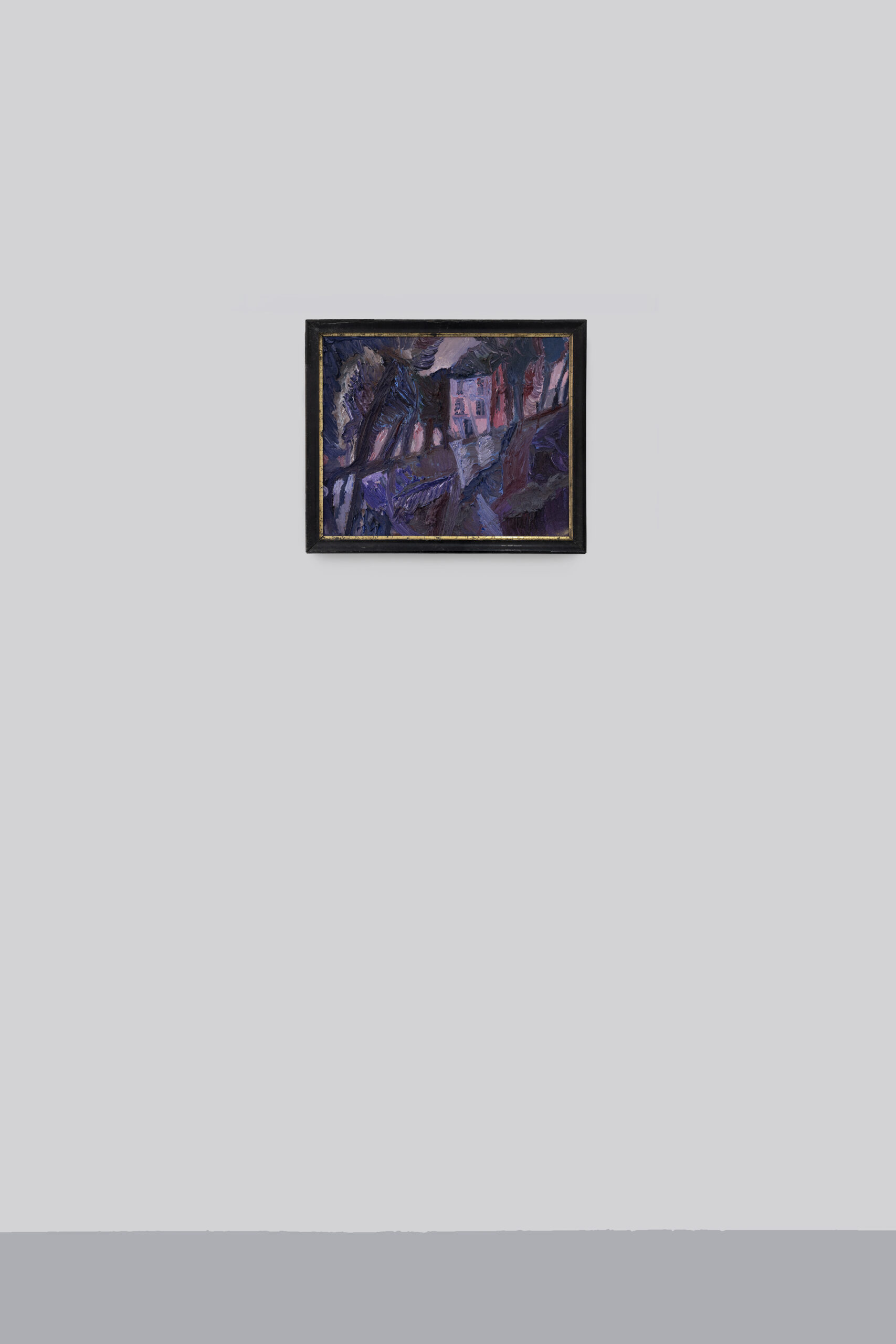
Konrad Żukowski
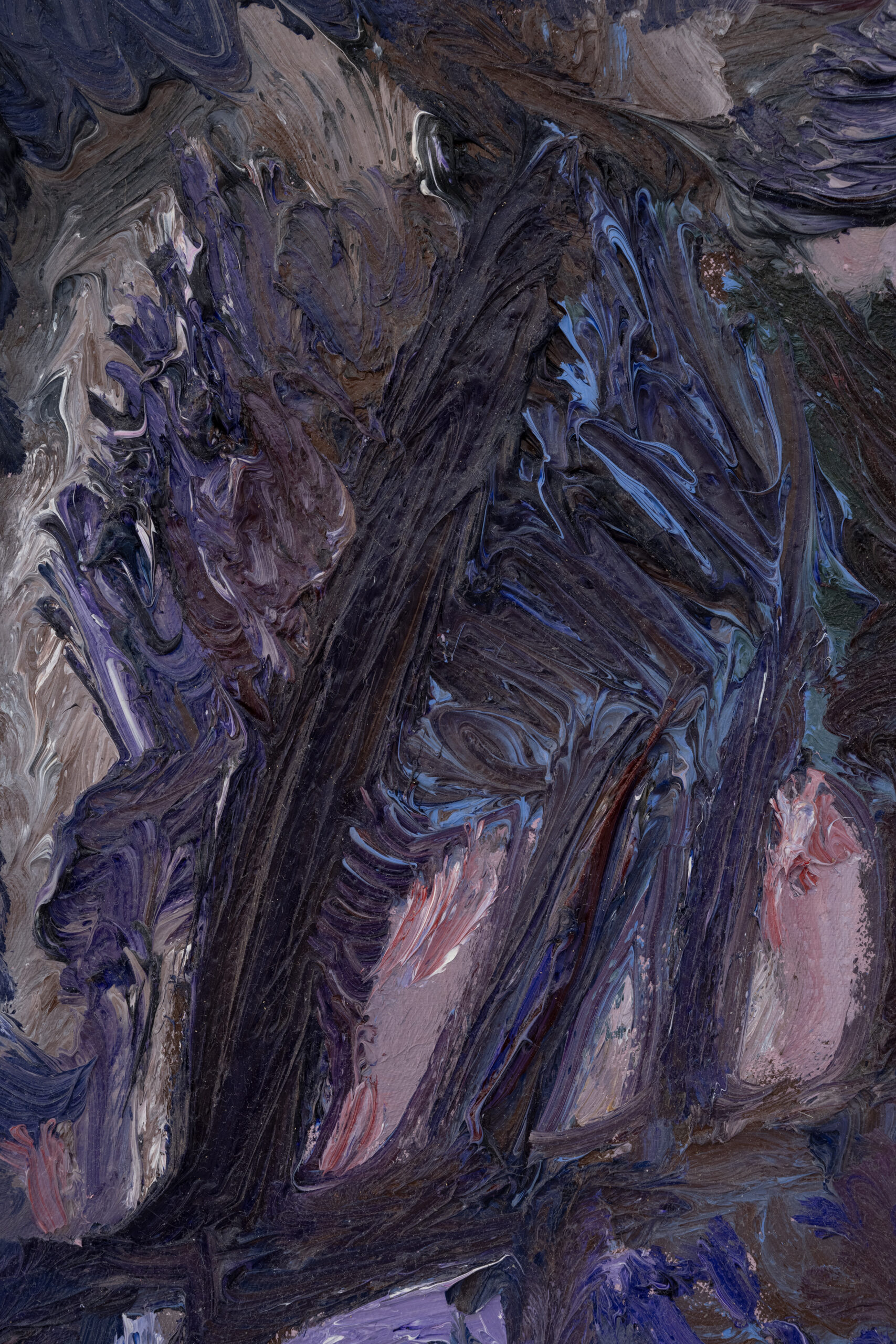
House by the Road, 2026
oil on canvas in artist’s frame
45 x 53 cm
17 3/4 x 20 7/8 in
KZ0009
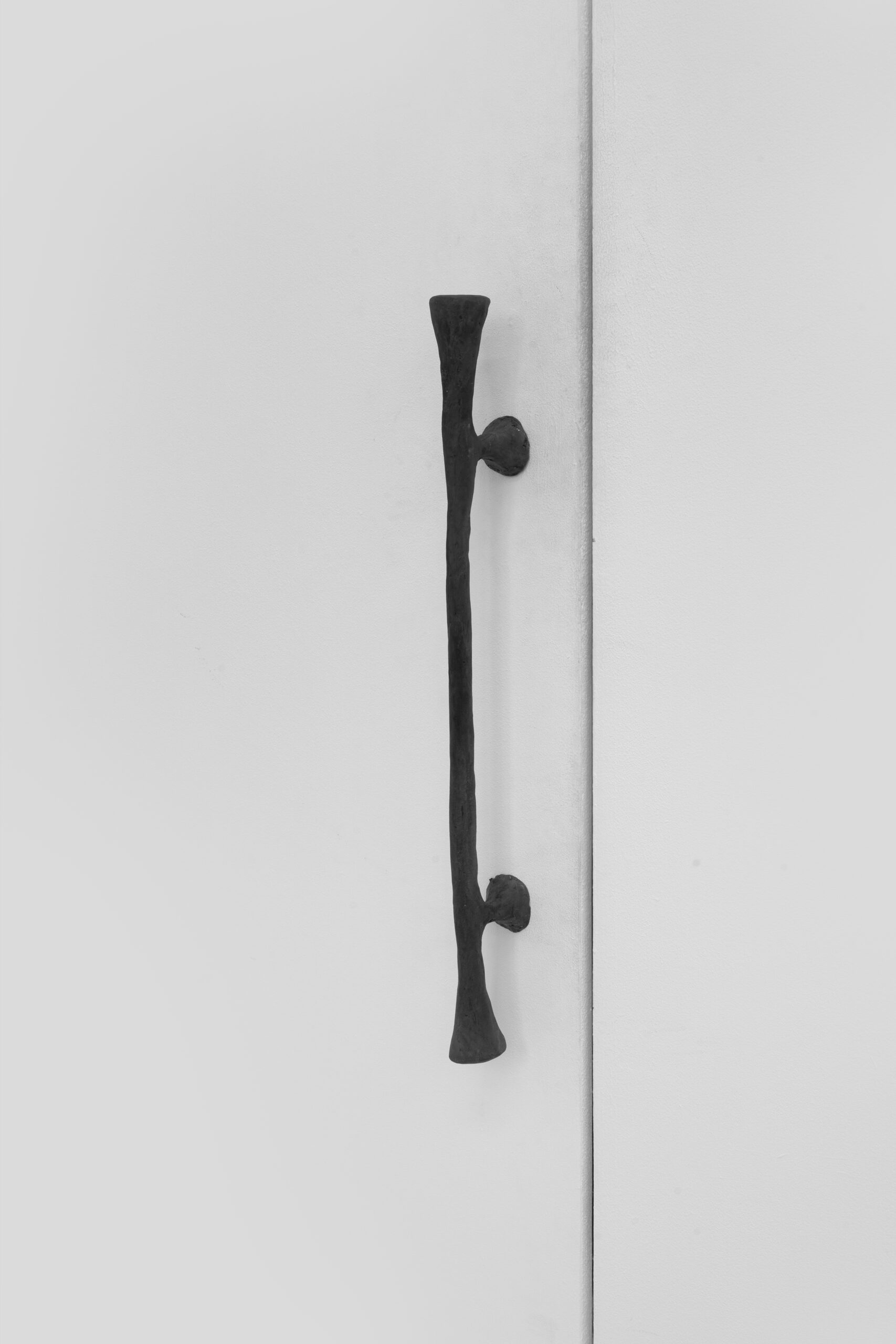
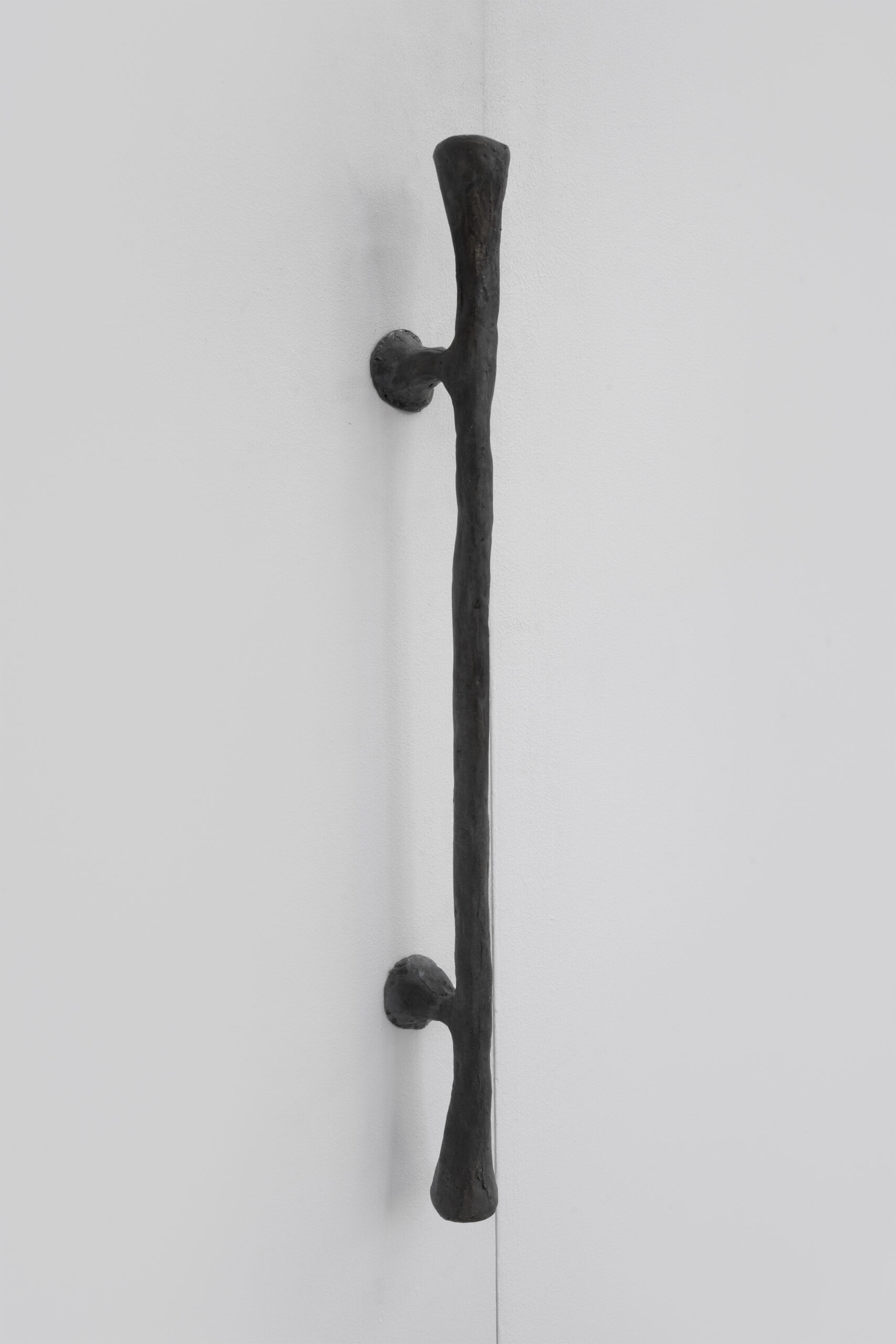
Jan Eustachy Wolski
Untitled, 2026
bronze
51.5 x 4 x 7 cm
20 1/4 x 1 5/8 x 2 3/4 in
Edition of 1 plus 1 AP
(JEW005)
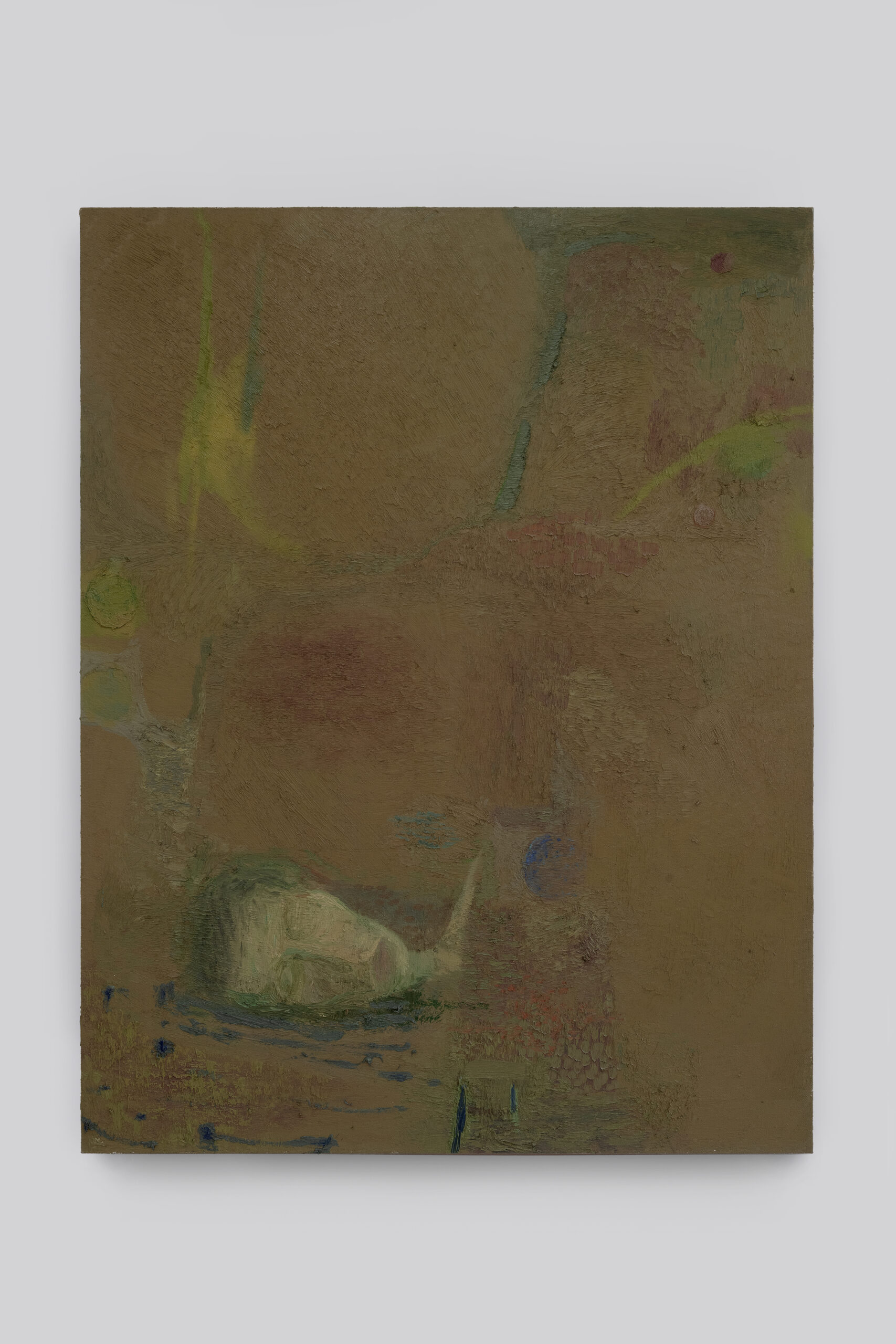
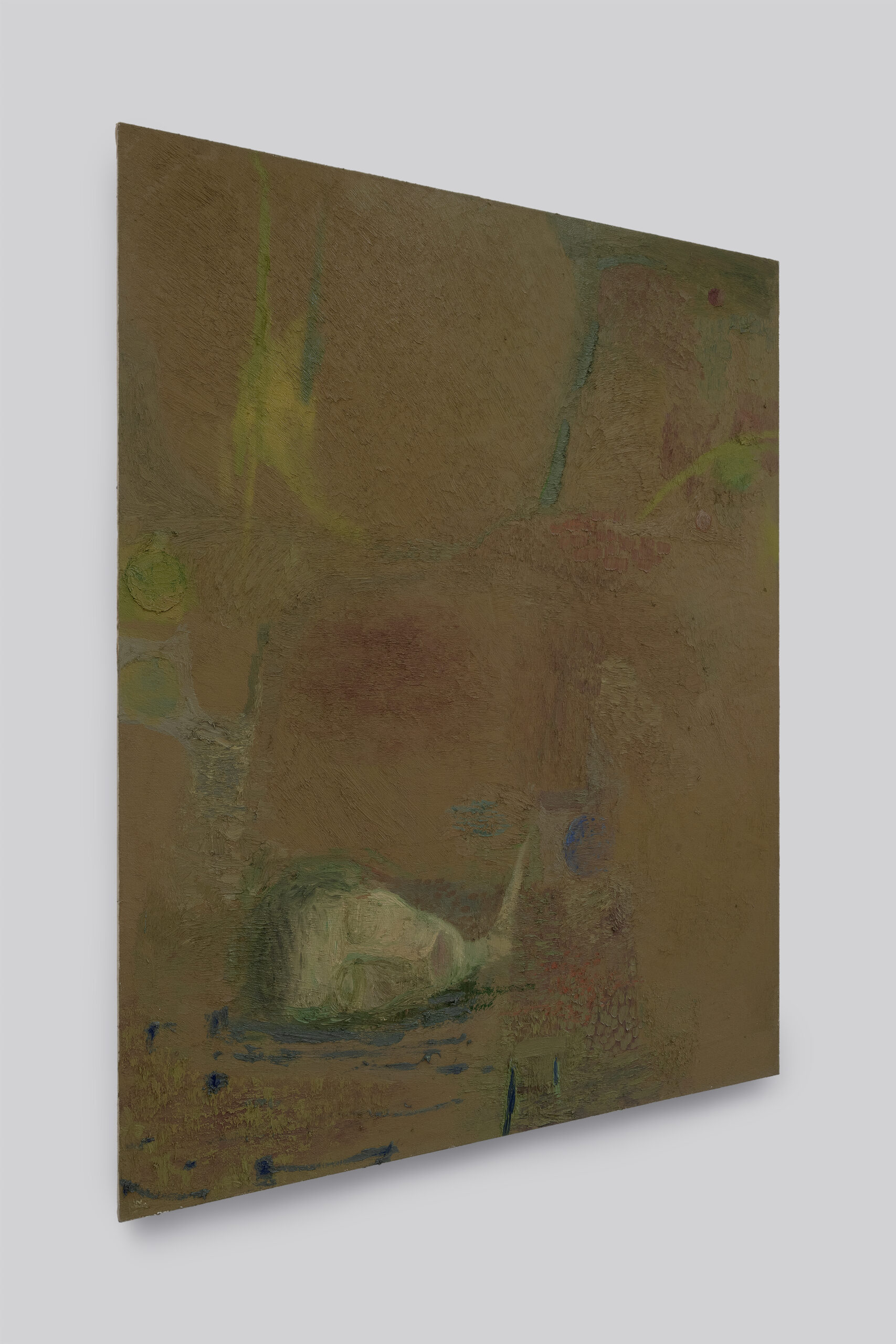
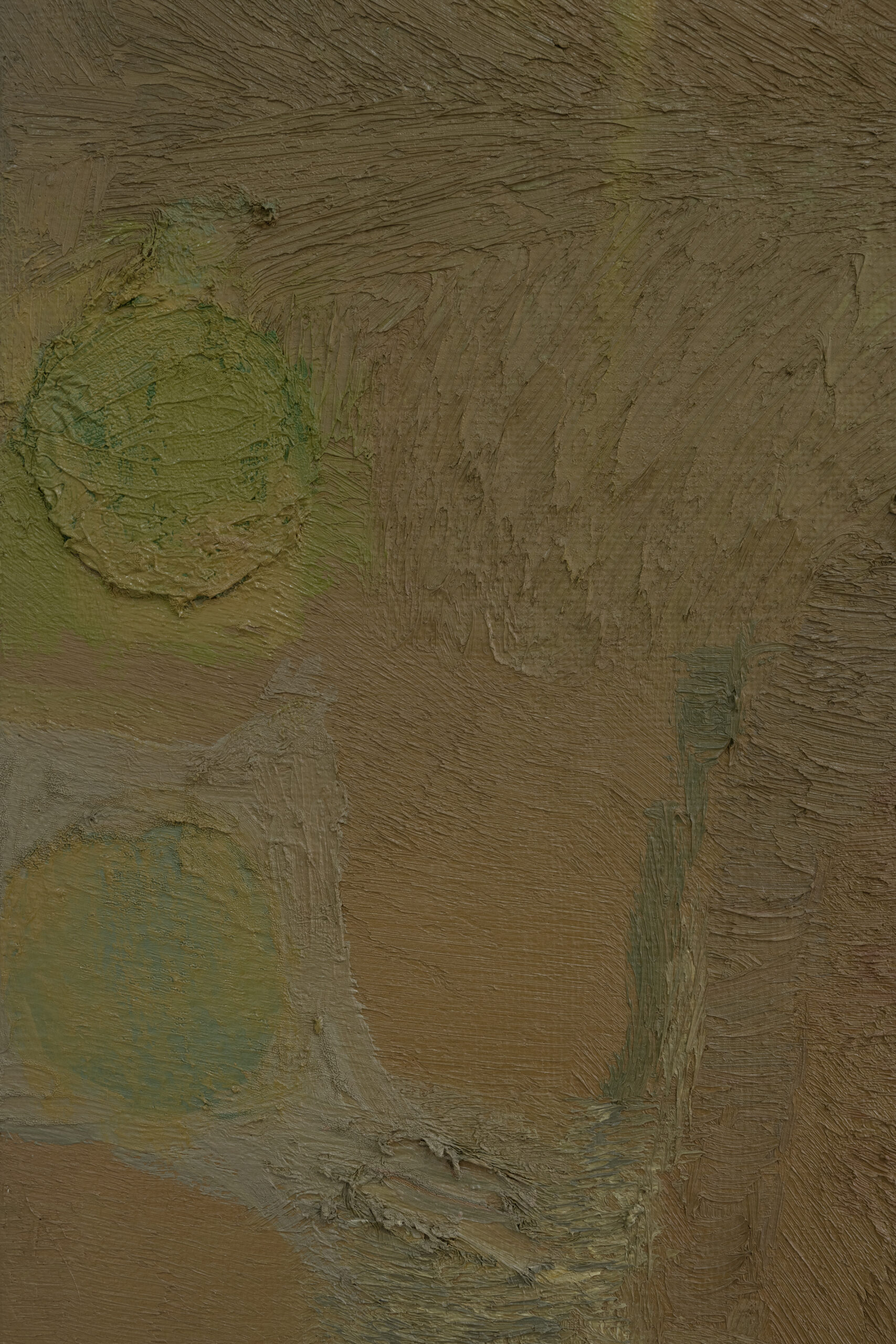
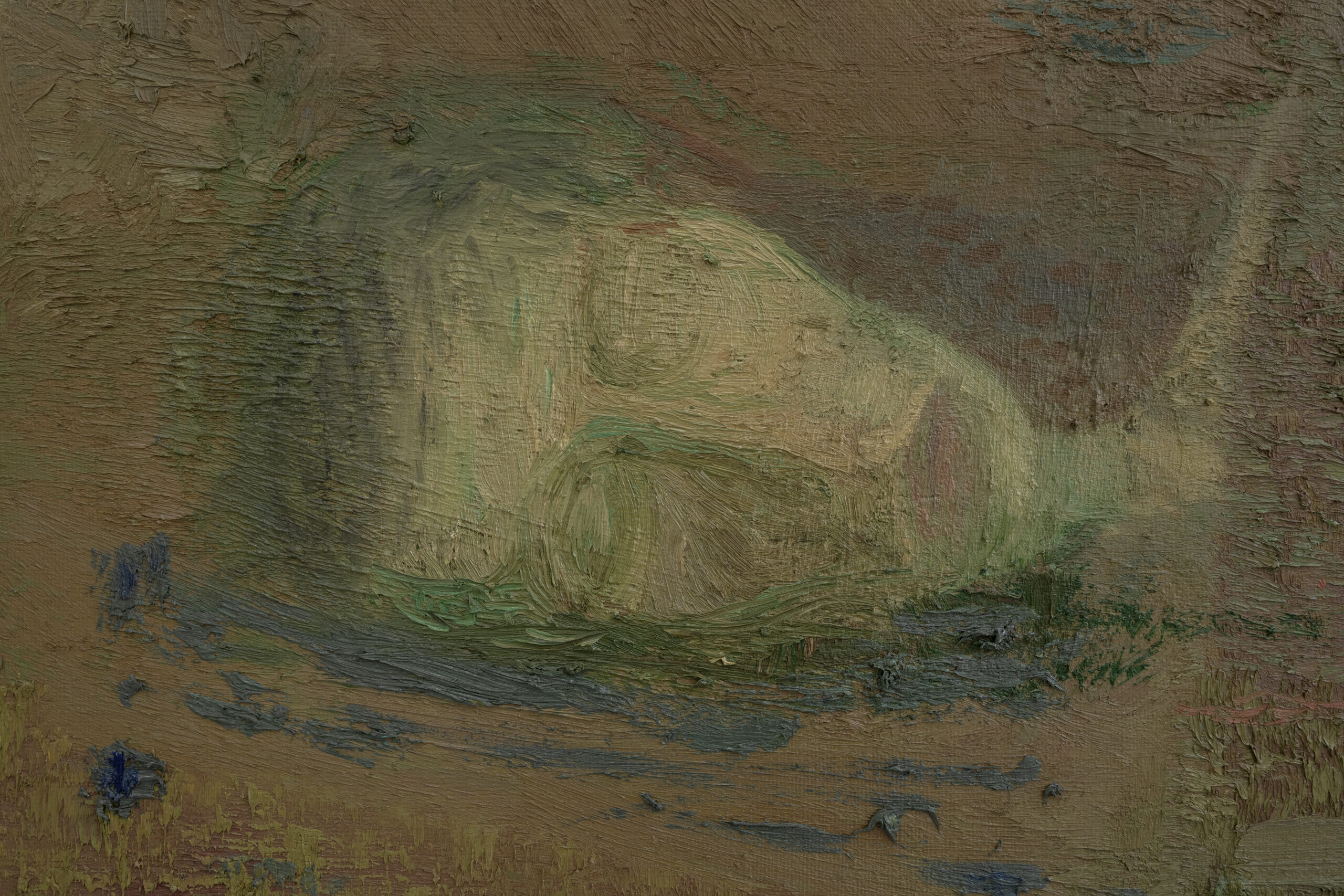
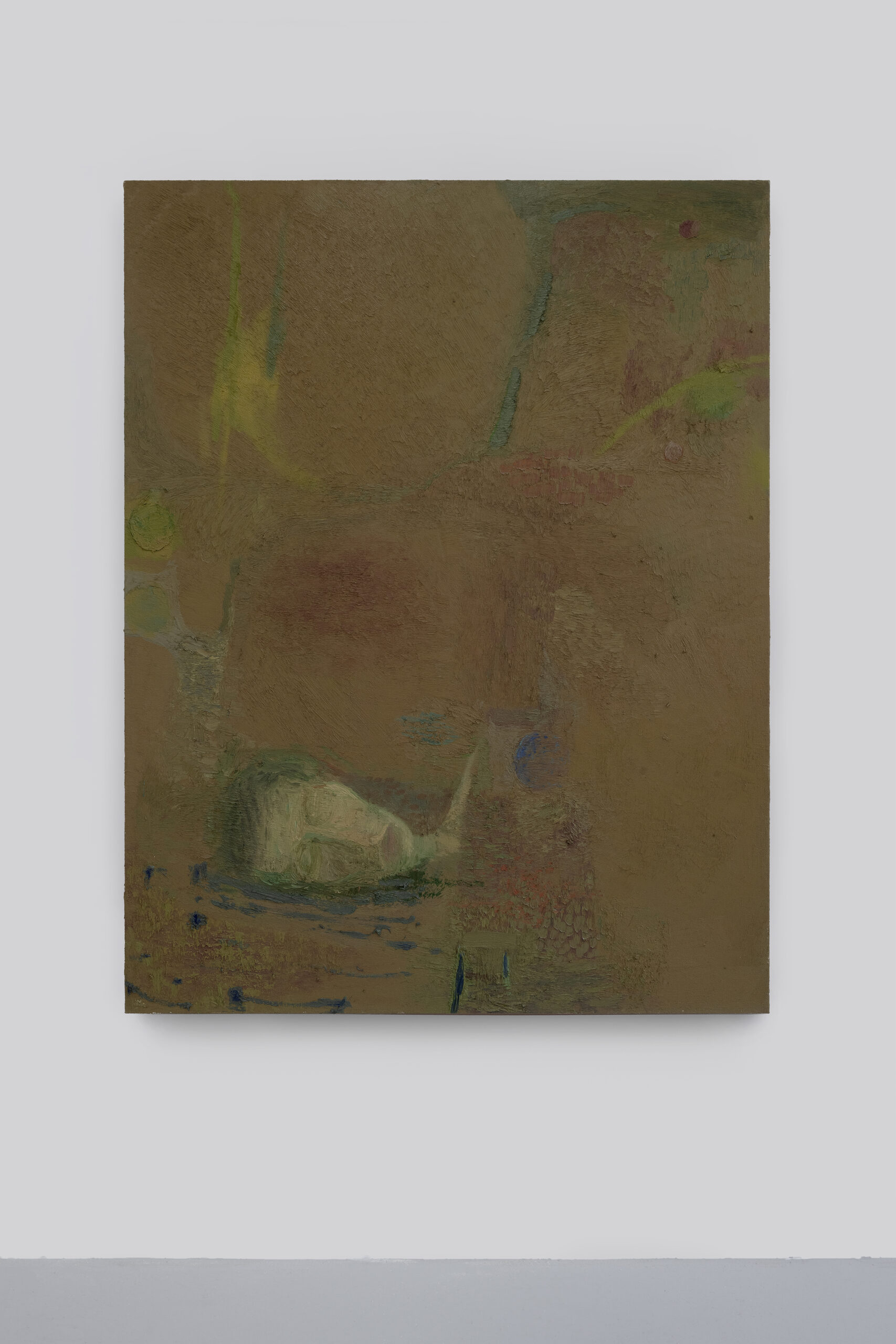
Jan Eustachy Wolski
Untitled, 2026
oil on canvas
190 x 150 cm
74 3/4 x 59 in
JEW001
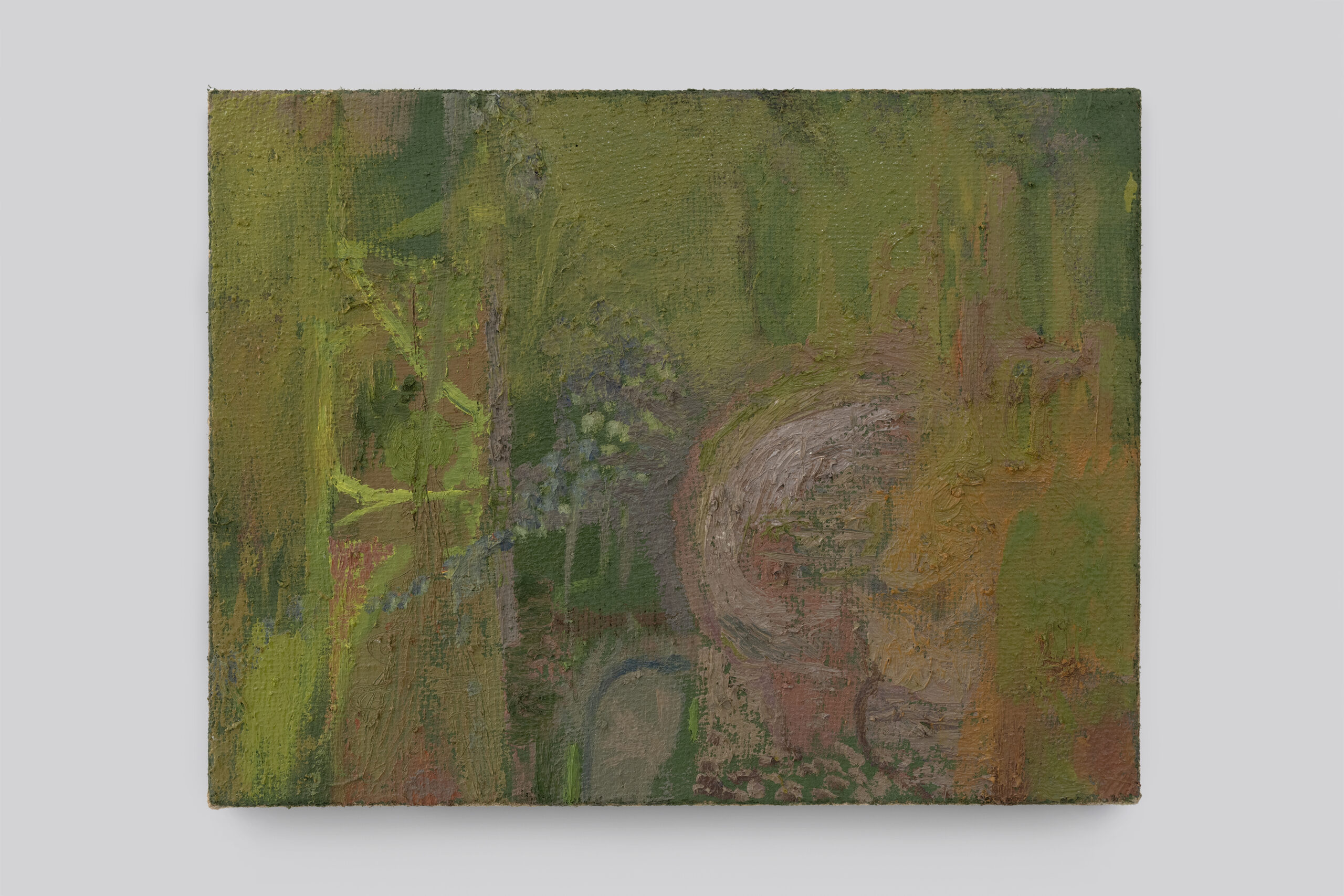
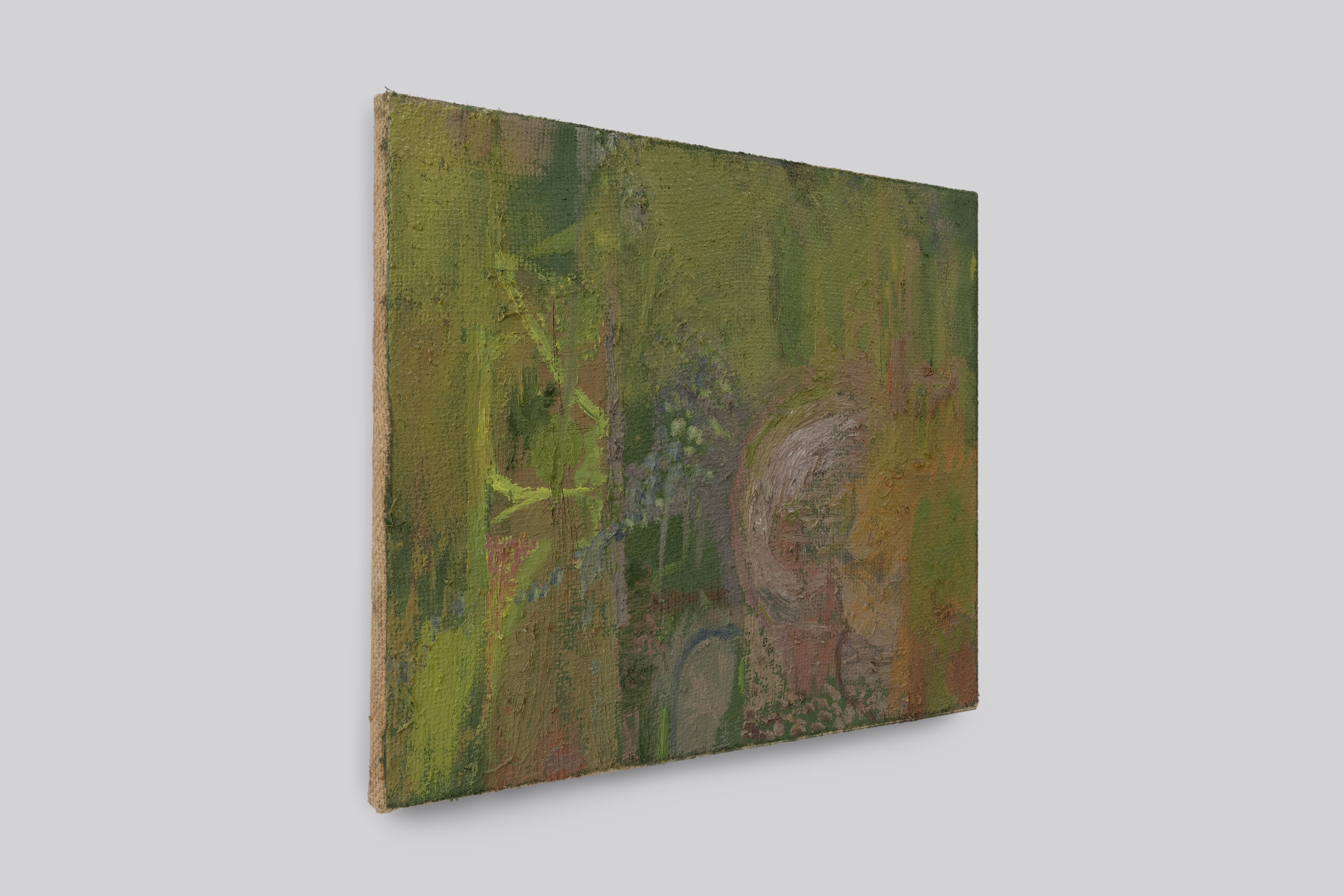
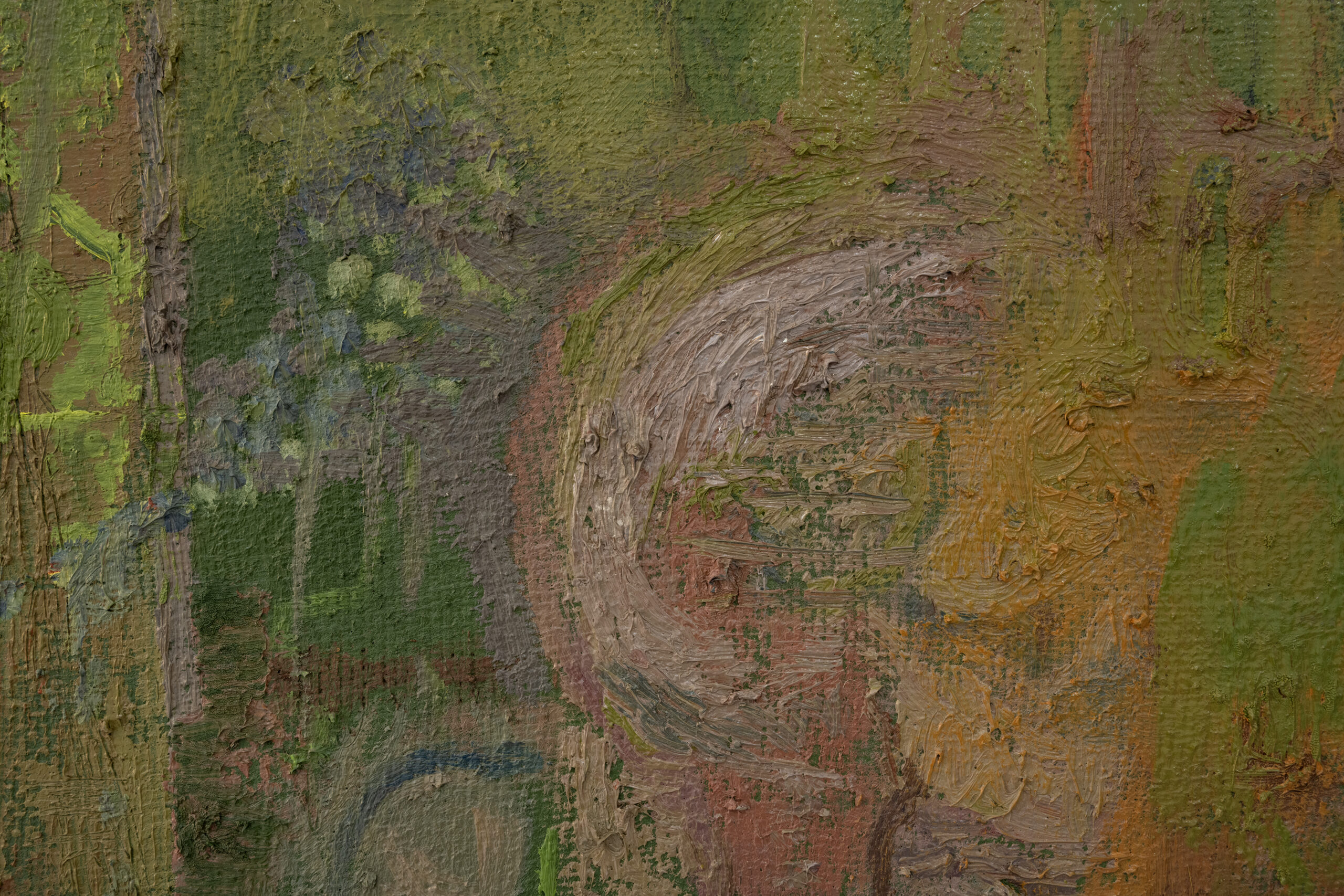
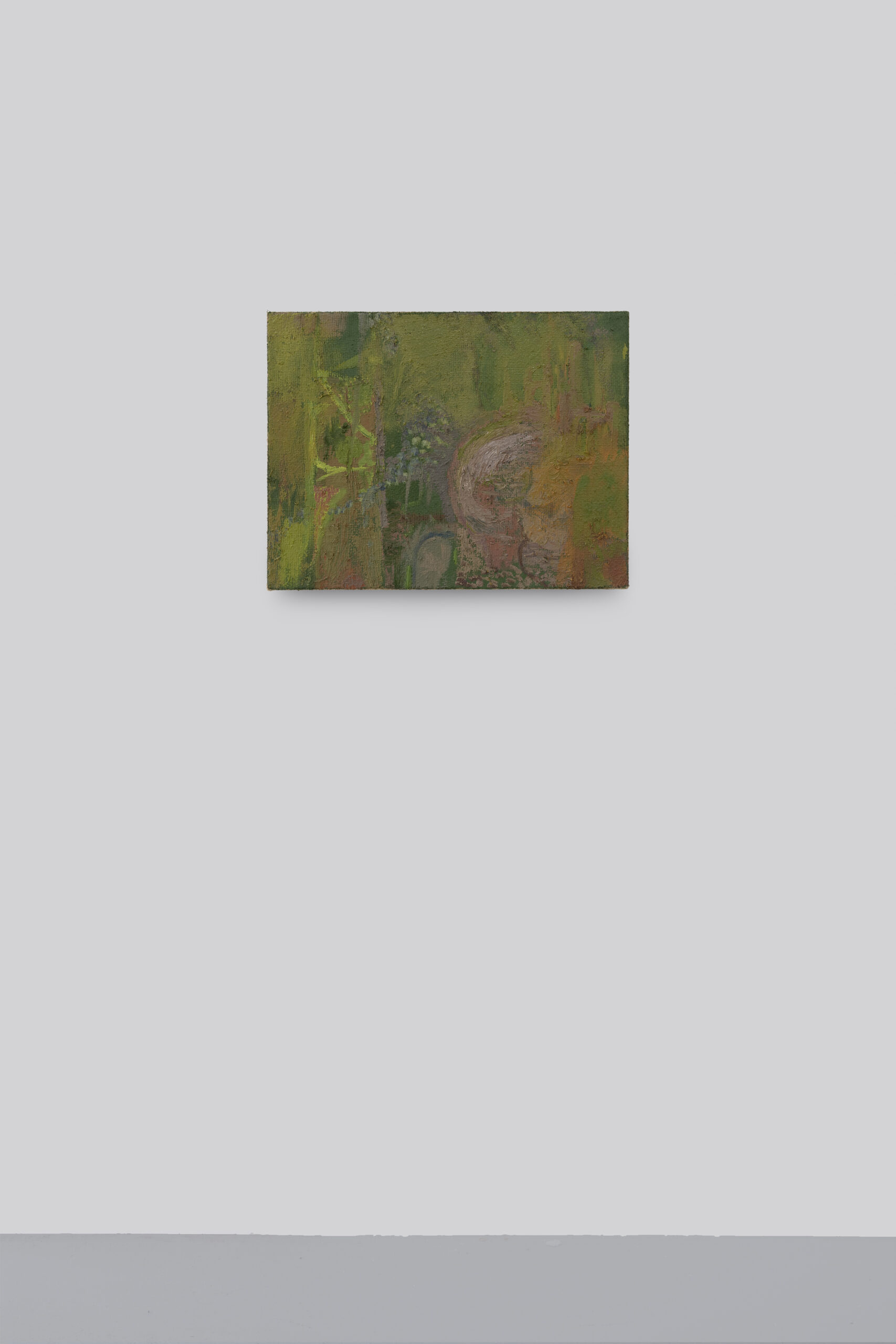
Jan Eustachy Wolski
Untitled, 2026
oil on canvas
51 x 65 cm
20 1/8 x 25 5/8 in
JEW002
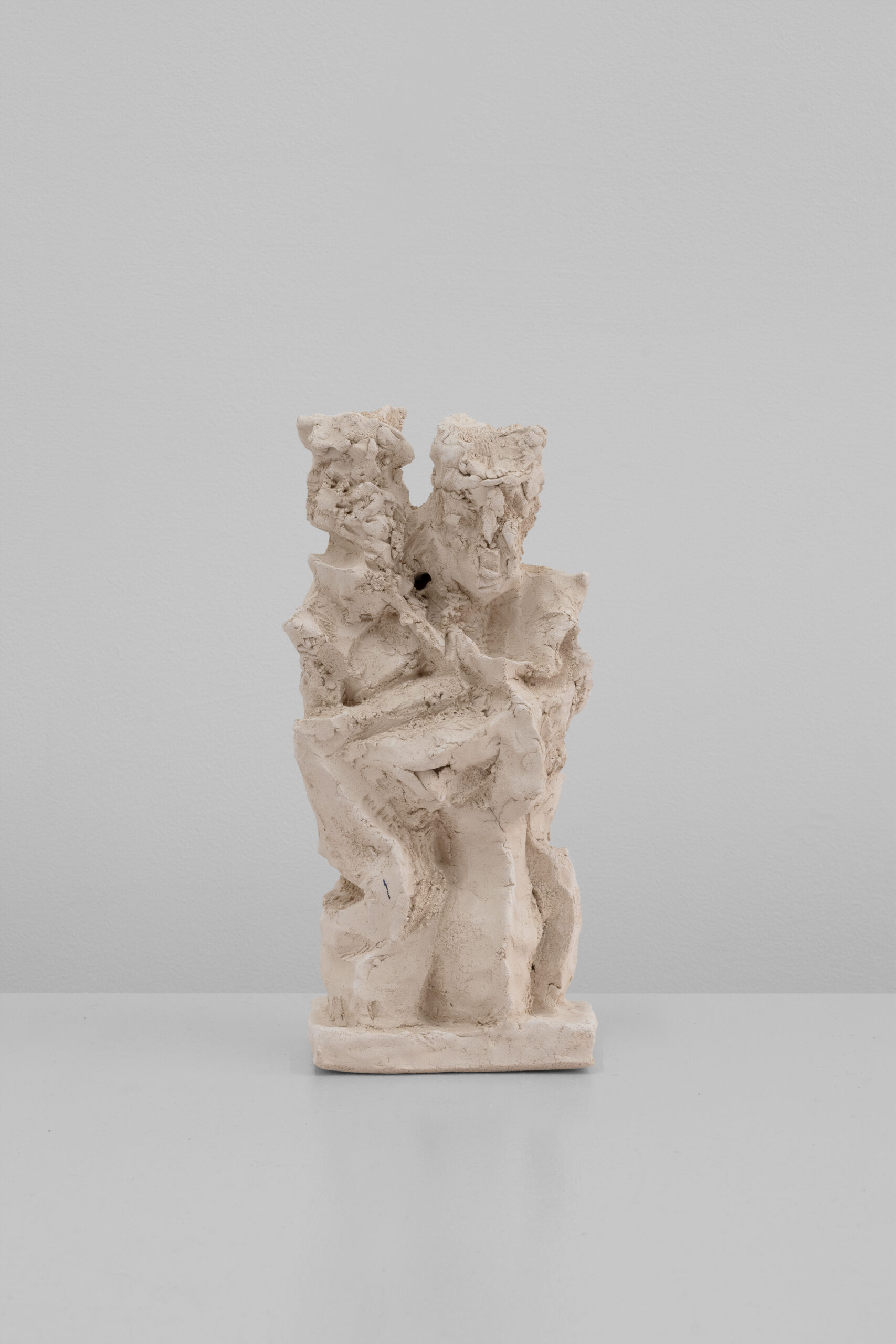
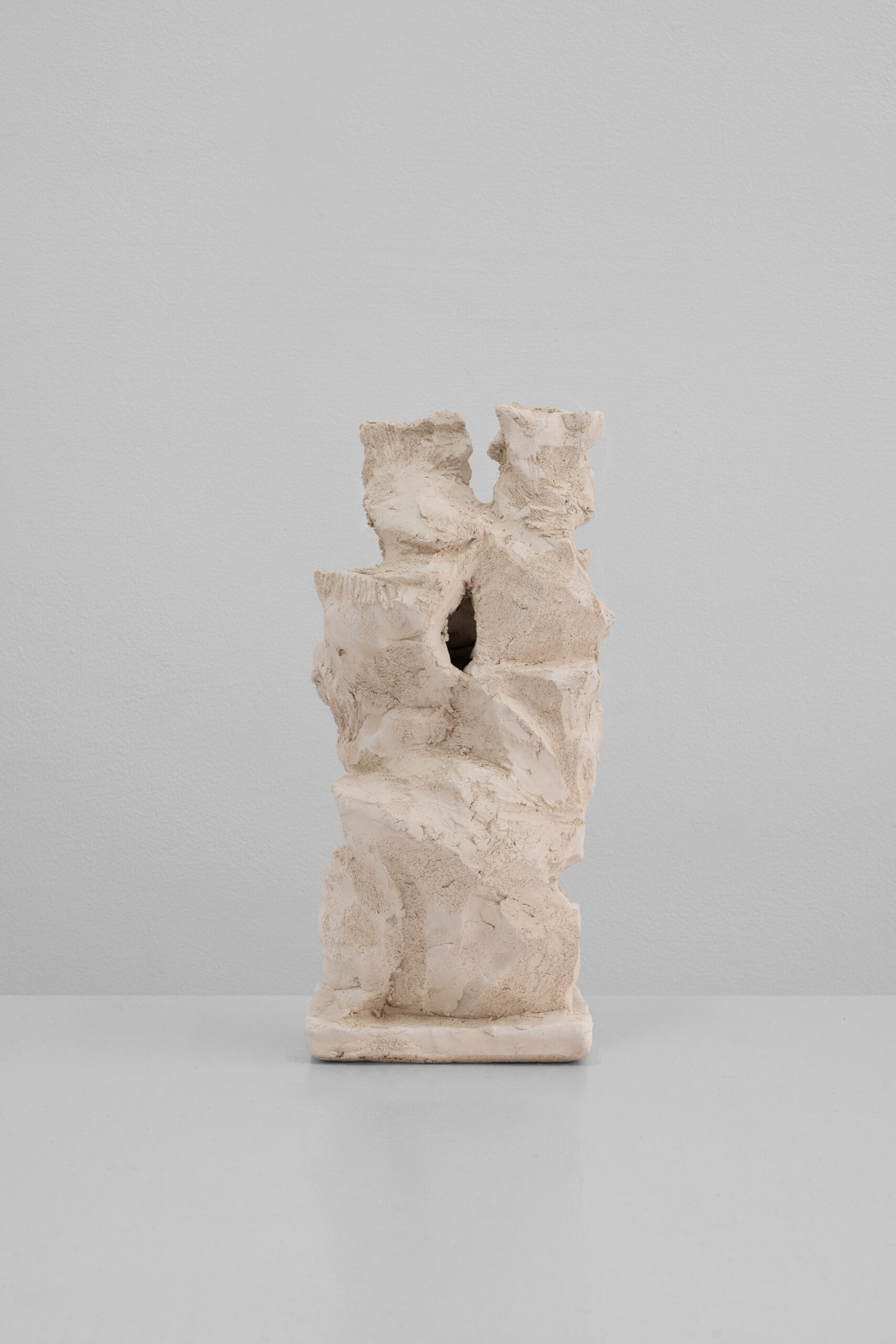
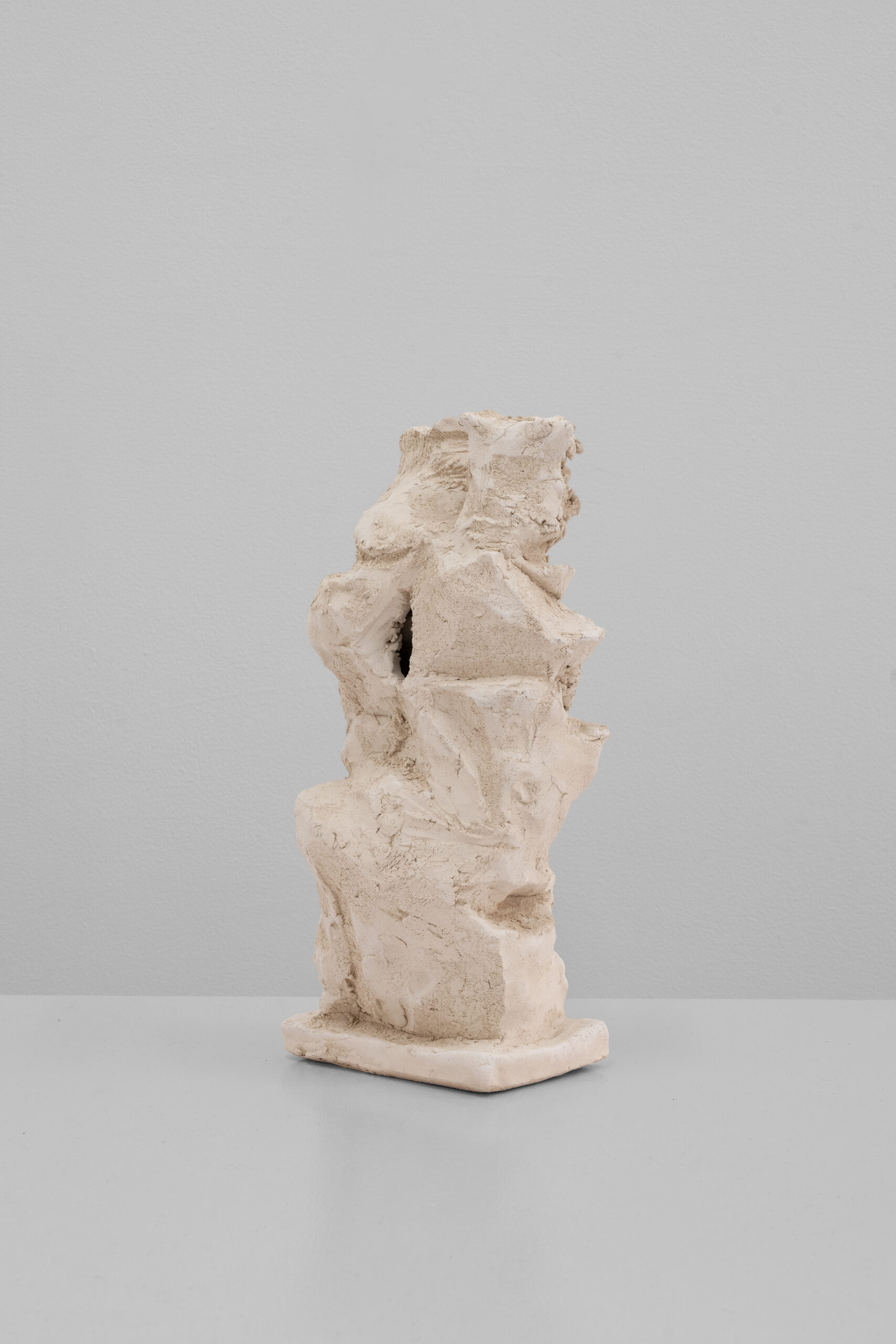
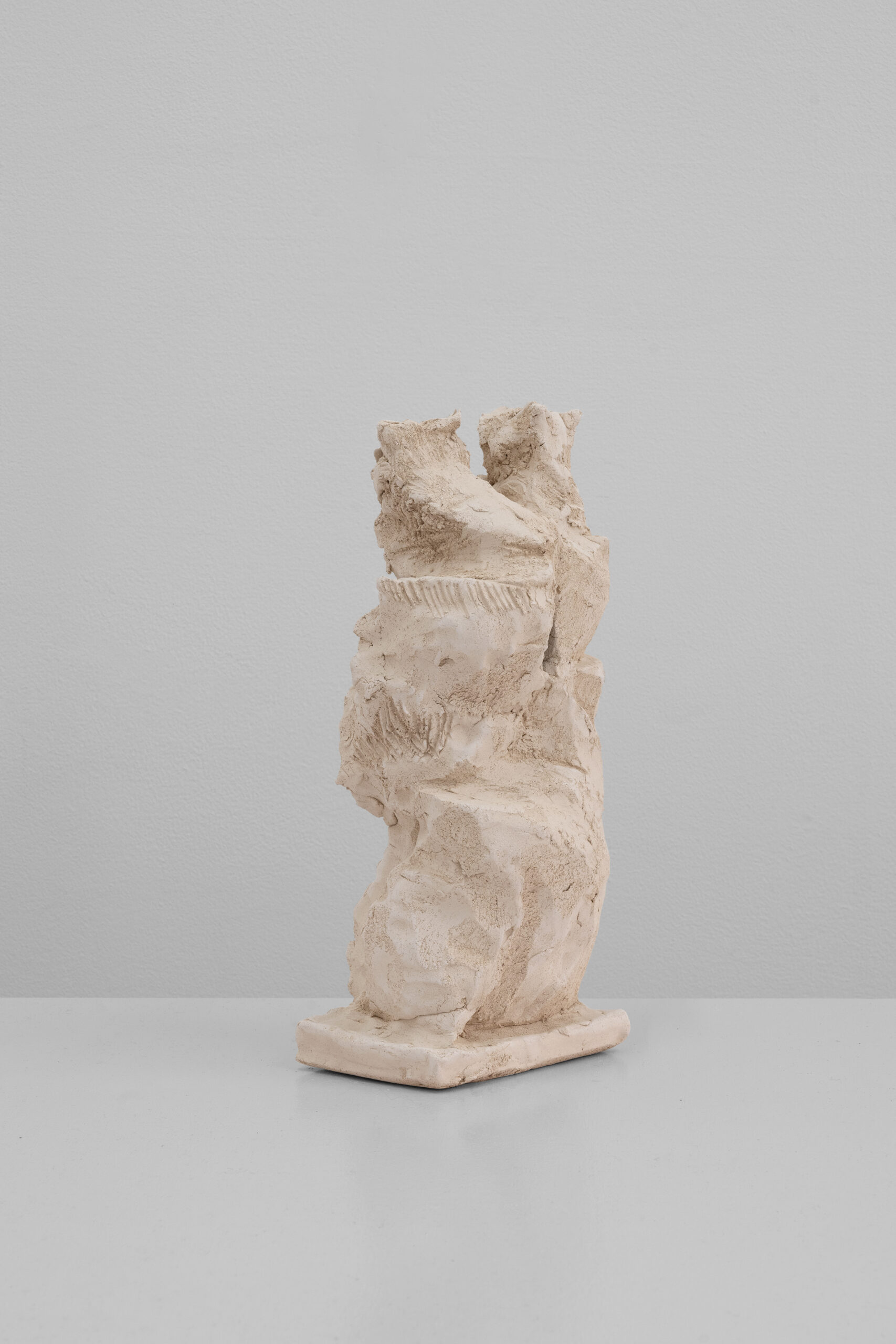
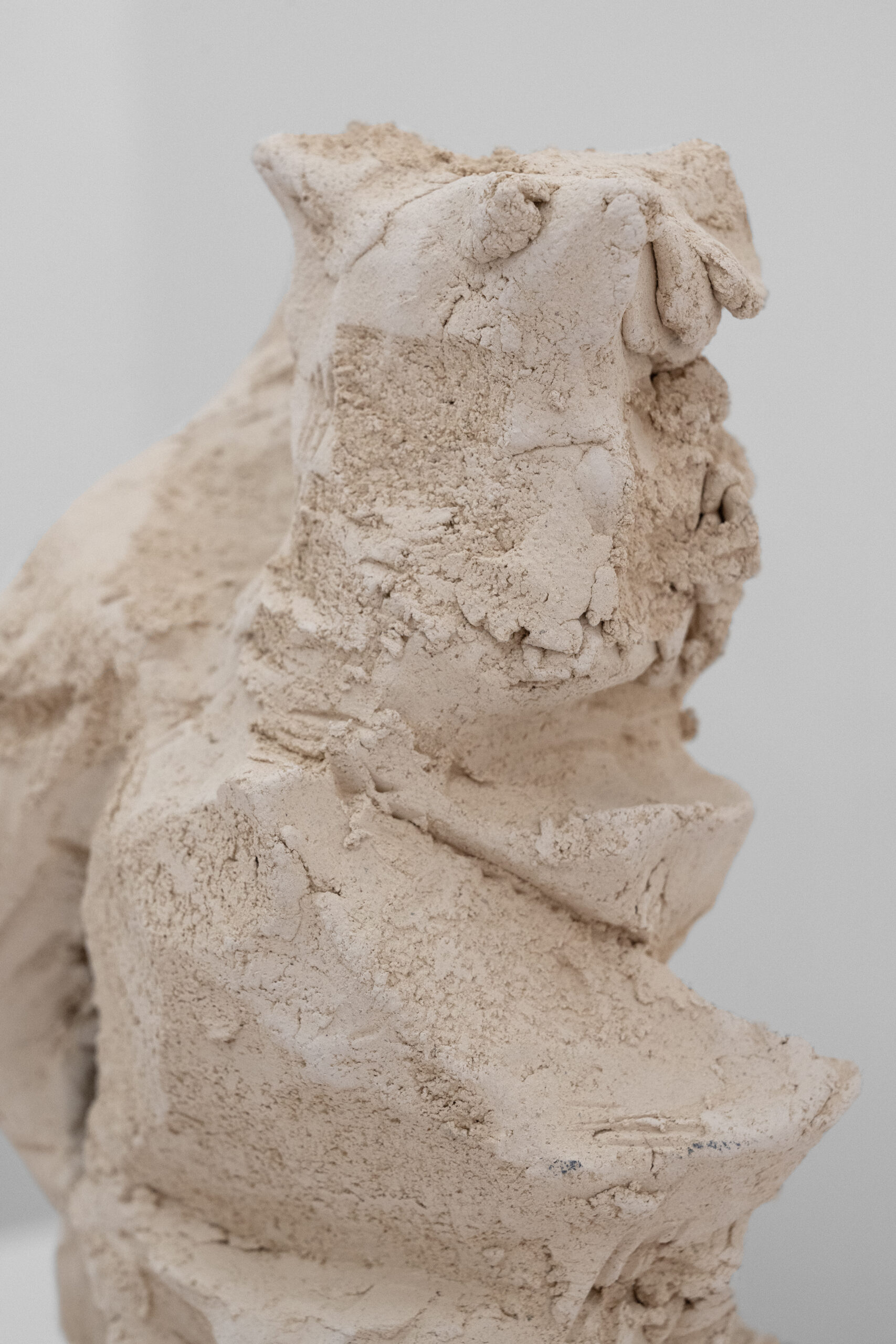
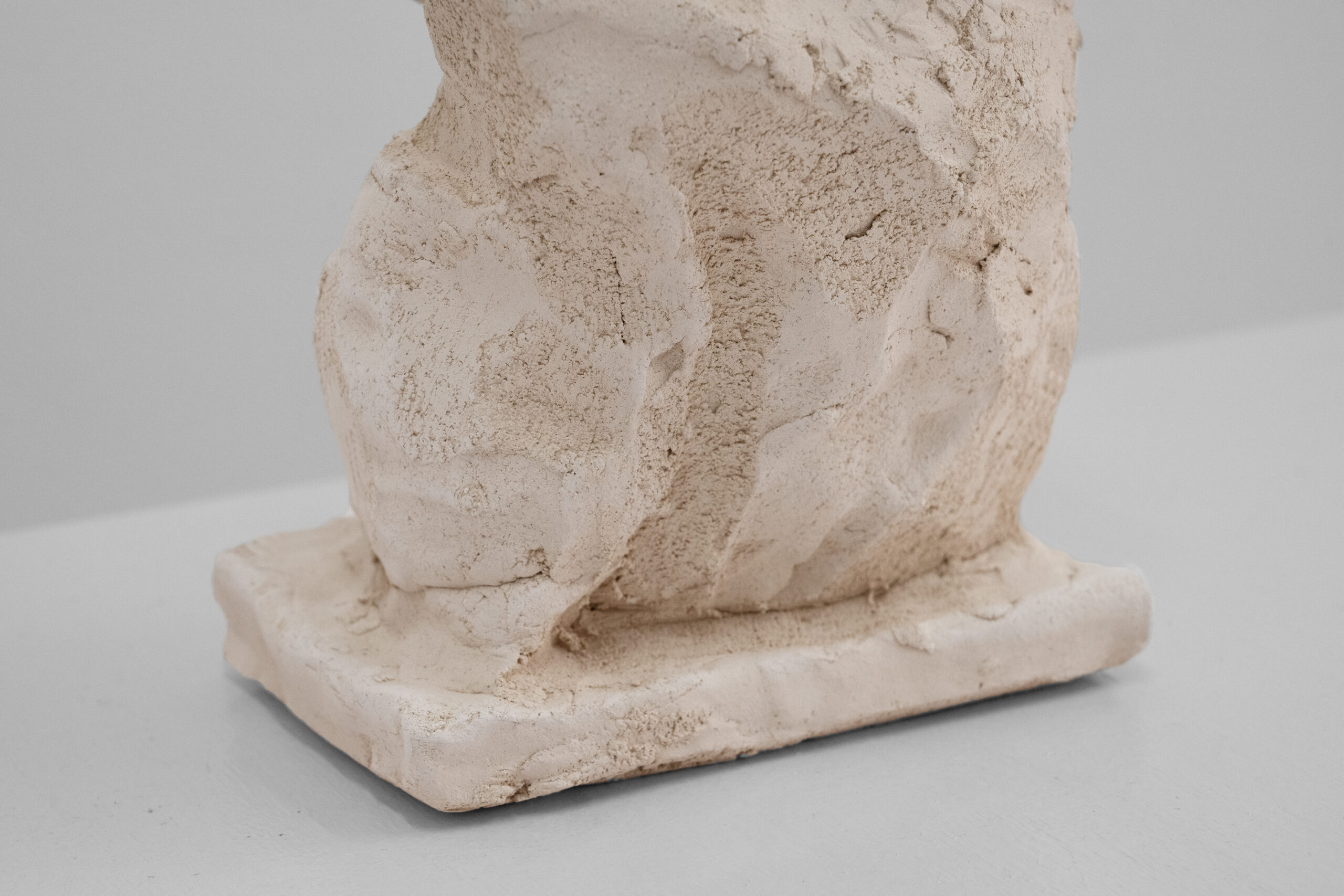
Konrad Żukowski
Untitled, 2026
clay
33 x 14 x 15 cm
13 x 5 1/2 x 5 7/8 in
KZ0010